Water Extraction in Winchester, MA
The deepest puddle may be only part of the loss. Removing standing water should uncover the wet boundaries, identify continuing entry and prepare the affected surfaces for measured drying.
(888) 629-3140Arrange standing water removal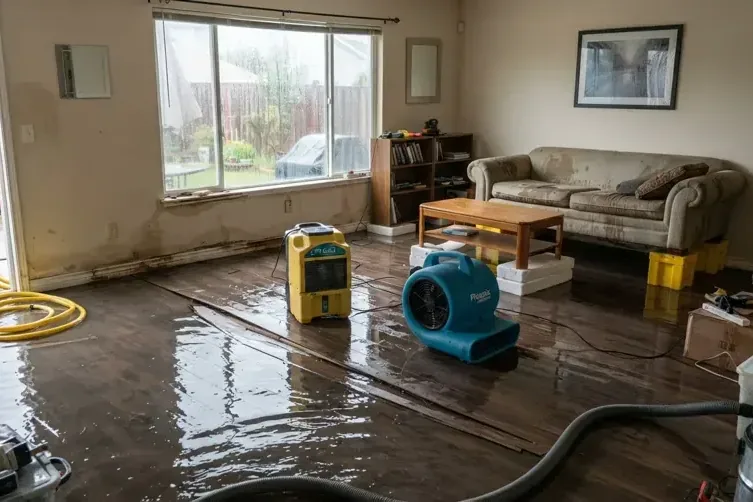
A room covered in water can conceal a floor opening, a loose threshold or an energized appliance connection. The first extraction decision is how to reach the wet space safely. Inspection then establishes the water depth, the condition of the contents and the likely source. A supply release, muddy runoff and groundwater seepage can leave similar puddles but call for different handling. Removal should follow that assessment instead of treating every wet floor as an identical job.
How water extraction and removal is handled
Survey collection points
Inspect the floor transitions, connected spaces and lowest visible areas. Record water condition and safe access so extraction can address the entire footprint rather than only the easiest open section.
Collect standing water
Use suitable extraction equipment for the affected surface and water depth. Manage hoses, contents and disposal routes so removal does not drag water or debris through unaffected rooms.
Expose trapped moisture
Inspect beneath accessible edges and around wet trim after the floor clears. Discuss any necessary material removal before opening concealed layers, with photographs explaining the reason for that access.
Set drying priorities
Record remaining wet assemblies and arrange the equipment needed for retained materials. Subsequent readings should show whether moisture is declining or renewed entry is changing the original drying scope.
Follow the entry route before selecting equipment
Winchester identifies surface overflow, poor street drainage and groundwater as separate flooding mechanisms. The Aberjona River and Horn Pond Brook are significant surface-water sources, while Wedge Pond can also overflow. At the affected property, the useful evidence is the path across a threshold, the damp foundation joint or the leaking connection. Recording that path early helps distinguish water already trapped indoors from water that continues arriving during extraction.
- Mark the visible wet boundary before shifting contents or moving equipment across the room.
- Check adjacent closets and lower wall edges for water that escaped the obvious puddle.
- Separate loose debris from the equipment route so hoses and collection tools remain accessible.
- Identify finishes that may conceal absorbent padding or another layer beneath the walking surface.
Extraction tools should fit the actual depth and floor material. A broad open slab permits a different approach from a furnished room with carpet, narrow doorways and water beneath cabinetry. The work area also needs a route for collected water and safe equipment connections.
Water still spreading?
Water covering a room needs a clear removal route and a plan for what remains wet underneath. Describe the entry point, affected floor and continuing water before arranging the next inspection.
(888) 629-3140Discuss standing water conditionsWatch for water returning during removal
A falling indoor water level is useful progress, but repeated pooling means the source needs another look. Groundwater above basement floor level can push through small cracks in floors or foundations. If that happens while the room is being extracted, document the points of renewed entry and coordinate the source response. Equipment used to remove pooled water cannot resolve pressure outside the foundation.
Conditions at Shore Road or around Center Falls Dam can help describe the surrounding area when reporting a loss. The interior assessment still depends on the building itself: wet seams, floor changes, concealed low points and the surfaces that contacted the water. Keep the account specific to what happened inside rather than assigning a cause from the nearest water feature.
Keep the work area safe
The response team checks electricity, unstable surfaces and water contamination before opening wet materials. Household members keep children and pets away from affected rooms. A qualified electrician handles wet circuits. The cleanup crew sets containment when dirty water or debris could reach occupied space, then establishes a safe route for equipment and removed material.
Turn a cleared floor into a drying plan
Once standing water is removed, inspect material layers rather than stopping at appearance. A carpet face can stop dripping while its backing or padding remains saturated. Baseboards can hide wet wall edges, and water may have moved beneath a floating floor. The scope should identify where access is needed, what can remain and which damaged materials require removal.
Use the structural drying service to understand the next stage when retained materials remain wet. If water entered through a lower-level foundation, basement water removal addresses the particular access and re-entry concerns. Photographs, moisture locations and the removal record should stay together so later repair decisions follow the full water path.
First decisions for water extraction and removal
Stay on dry footing
Keep the room closed to unnecessary movement until electrical exposure, depth and hidden floor hazards have been considered. A visible puddle should not be crossed simply to reach a switch or appliance.
Describe the starting point
Report where water first appeared and whether the wet area is expanding. Mention a running fixture, recent rainfall or foundation seepage only when those details were actually observed at the affected property.
Move reachable dry contents
Relocate lightweight dry belongings from the edge of the room when access is safe. Leave soaked heavy items for the removal plan, and photograph their positions before the room layout changes.
Keep the source status clear
Tell the restoration provider whether a supply valve has been closed or water continues arriving. That distinction helps organize removal without overlooking a release that will refill the floor during work.
What does water extraction and removal cost in Winchester, MA?
Water extraction in Winchester may involve a single accessible room or a connected interior loss. The planning ranges below vary with floor coverings, contents, water condition and the amount of concealed moisture discovered after removal.
One accessible room
$500 to $1,200
- Open floor access
- Limited pooled water
- Initial moisture assessment
Several connected rooms
$1,200 to $2,800
- Adjoining wet spaces
- More extraction passes
- Floor edge inspection
Complex removal
$2,800 to $4,500+
- Difficult equipment access
- Concealed water pockets
- Broader material handling
Category of water, square footage, material class and drying delay shape the scope. water damage cost calculator gives an estimate only.
Water extraction and removal across Winchester
Service requests can identify the Waterfield Road corridor, Wedgemere Station area or another location in town. Report the actual building access and affected rooms so the inspection can follow the indoor spread.
The same service nearby: water extraction and removal in Belmont, Arlington, Somerville.
Related water damage services in Winchester
Water Extraction and Removal questions in Winchester, MA
Is pumping enough to dry a flooded room?
Pumping collects standing water, but absorbent materials can retain substantial moisture afterward. The room needs an assessment of flooring layers, trim and accessible cavities. Drying equipment and selective access may follow extraction, with material readings supporting the decision about when the retained assembly is ready for repairs.
Why is the water source discussed before removal?
The source affects handling, disposal and the possibility of more water entering. A broken supply connection differs from runoff carrying debris or groundwater pushing through a slab. Describing the observed entry route helps establish both the immediate extraction method and the follow-up work needed at the property.
Can furniture stay in the room during extraction?
Some contents can be protected or moved within the work area, while saturated heavy pieces may need separate handling. Access, material condition and water contamination determine that decision. Photographs and an inventory help explain why belongings were relocated, isolated or included in the disposal scope.
What if water reappears after the floor clears?
Note where the new pooling begins and whether the source has changed. A leaking connection may still be open, or groundwater may continue passing through the foundation. The removal plan should be reassessed rather than assuming the recurring wet patch is simply leftover surface moisture.
Does clear-looking water mean the carpet can stay?
Carpet and padding need a close assessment after water exposure. The source, contact with surrounding materials, time wet and physical damage all matter. Inspection beneath an accessible edge can help determine whether drying in place is suitable or whether removal is needed to reach affected layers.
What records should accompany extraction work?
Useful records include the starting water footprint, source observations, removed materials and remaining wet locations. Keep those with itemized work descriptions and any plumbing or drainage repair findings. Together they explain how the job moved from standing water removal into material drying and eventual reconstruction.
Arrange extraction for the affected room
A focused assessment connects safe removal with the floor layers and wall edges needing further drying.
(888) 629-3140Start with the wet footprint