Appliance Leak Cleanup in Somerville
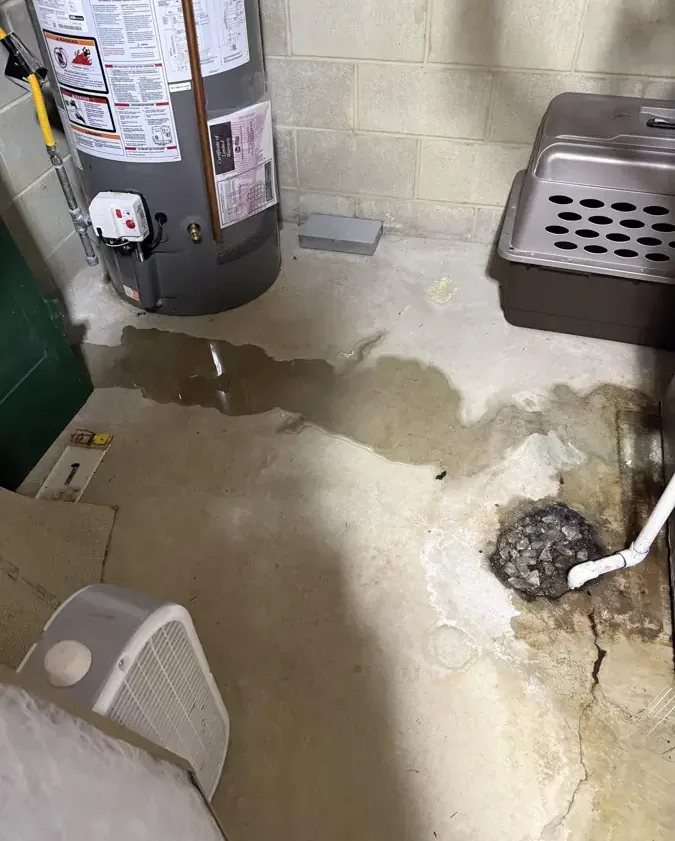
A small puddle beside an appliance can hide water beneath the unit or cabinet base. Cleanup starts by establishing the leak source and opening useful access to the surrounding wet materials.
(888) 629-3140Discuss water beneath an appliance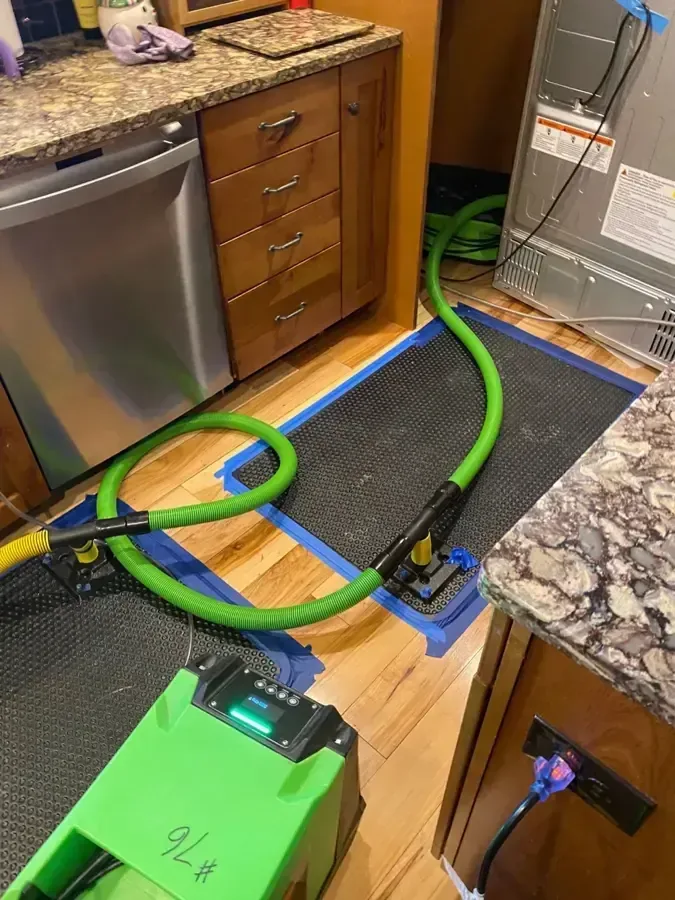
A dishwasher can leave a dry looking kitchen while water remains behind its toe panel or beneath adjoining flooring. A washer release can similarly wet the wall and floor behind the machine before reaching open space. Somerville customers with replacement smart meters can use WaterScope to monitor water use. An unexplained increase can prompt investigation of supply plumbing, but the cleanup assessment also needs direct access to the materials around the appliance. That inspection determines how far the escaped water has moved.
How appliance leak water damage is handled
Check timing and source findings
The inspection connects appliance behavior with the reported water spread. Service information, floor changes and the condition of surrounding materials help establish the affected boundary and any contamination concerns before cleanup work begins.
Gain useful access behind the unit
Safe equipment movement allows inspection of hidden wall and floor surfaces. Cabinet recesses and adjacent trim receive attention, with limited openings considered where an enclosed layer prevents meaningful assessment or treatment of retained moisture.
Treat wet finishes and substrate
Accessible water is removed and materials are handled according to their condition. The remaining floor and cabinet assemblies receive drying access suited to their layers, rather than relying only on airflow across the open room.
Coordinate reassembly with drying results
The appliance repair and the moisture treatment are checked before trim or equipment conceals the work area. Remaining replacement needs are identified so the owner can arrange the finish work after affected layers are addressed.
Establish which part of the appliance leaked
Supply connections, internal components and discharge routes can produce different water conditions. The appliance or plumbing professional should identify and correct the failure, while the restoration inspection follows the resulting contact. A leak noticed during a wash cycle needs its timing described accurately. Repeatedly running the appliance to reproduce the problem can add water to materials that already need treatment.
- Stop ordinary appliance use until the source and safe operating condition have been assessed.
- Describe whether water appeared during filling, washing, draining or while the appliance was idle.
- Check flooring edges around the unit without pulling connected equipment across a wet surface.
- Photograph swelling at cabinet bases or trim before damaged finishes are removed for access.
- Include adjoining rooms where a continuous floor covering may carry water beyond the appliance space.
- Keep repair observations available so cleanup decisions can account for the actual supply or discharge failure.
Water still spreading?
A leak beside a dishwasher or washer can leave hidden layers wet after the surface is wiped. Describe the appliance, the timing of the release and any cabinet or flooring changes so access can be planned carefully.
(888) 629-3140Check appliance related floor damageExpose the places a mop cannot reach
Ball Square, Magoun Square and Teele Square developed with low-rise masonry commercial buildings. Kitchens, utility areas and other appliance spaces within individual properties still require inspection of their actual finishes and connections. A cabinet base can hide absorbent panels, while a floor covering may prevent the underside from drying readily. Access should be selected to reach those layers without unnecessary removal elsewhere in the room.
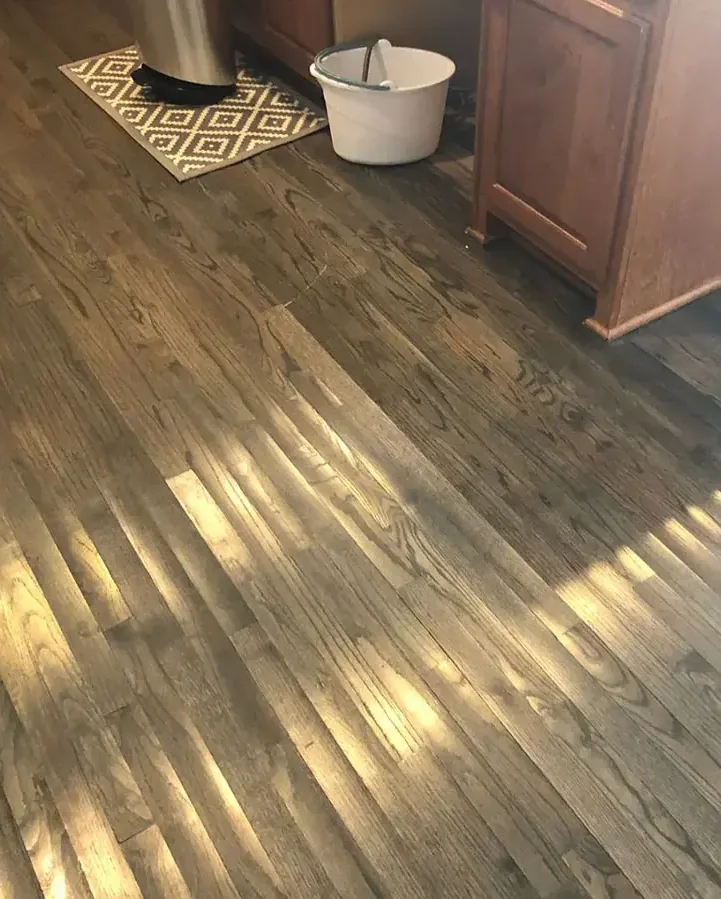
Safe disconnection and movement of the appliance may be necessary before the wall and floor behind it can be assessed. That task needs coordination with the appropriate service professional. If the flooring has changed shape, hardwood floor water damage work considers the boards and supporting layers together. Swollen cabinet material needs its own evaluation rather than being treated as another floor surface.
- Inspect the rear wall and floor once the appliance is safely accessible.
- Check cabinet recesses and trim junctions where the original spill may have collected.
- Document exposed floor layers before any appliance or finish is returned to position.
Keep the work area safe
The response team checks electricity, unstable surfaces and water contamination before opening wet materials. Household members keep children and pets away from affected rooms. A qualified electrician handles wet circuits. The cleanup crew sets containment when dirty water or debris could reach occupied space, then establishes a safe route for equipment and removed material.
Dry the concealed boundary before restoring the room
After extraction, moisture may remain beneath a covering or within the cabinet assembly. Structural drying addresses suitable materials left in place, with access and equipment chosen around the actual wet boundary. The plan should include repeat observations at concealed edges, because the open kitchen or laundry floor may dry sooner than the layers underneath the unit.
Return the appliance after the work is coordinated
The owner needs separate answers about mechanical repair and surrounding material condition. A serviced appliance can still sit over wet underlayment or beside a damp wall. Before reinstalling trim or closing access, check source correction, drying progress and any components selected for replacement. Photographs and notes make that handover easier to follow.
First decisions for appliance leak water damage
Pause use of the appliance
Avoid another cycle while a leak is being investigated. Describe when the puddle appeared and whether water continues while the appliance is idle, keeping clear of wet electrical connections and unsafe floor areas nearby.
Leave connected equipment for service
Pulling a washer or dishwasher can strain supply and discharge connections or damage a wet floor. Arrange safe access with the appropriate professional before attempting to inspect the concealed space behind or beneath the unit.
Mark the visible material changes
Photograph lifted flooring, swollen cabinet edges and damp trim from a safe position. Include the adjoining doorway so the assessment can consider whether water traveled beyond the appliance area into another finished room.
Keep repair details with cleanup records
Retain the service findings and note which component was corrected. Those details help distinguish supply water from used discharge and support decisions about cleaning, selective removal and drying of the surrounding wet building materials.
What does appliance leak water damage cost in Somerville, MA?
Somerville appliance leak cleanup costs depend on cabinet access, floor layering and the spread into adjoining rooms. Planning ranges describe the water damage work; appliance servicing and replacement cabinetry or flooring should be explained separately in the estimate.
Accessible small spill
$700 to $1,500
- Floor access
- Wet trim
- Localized moisture checks
Cabinet and floor layers
$1,500 to $3,000
- Hidden base moisture
- Layered flooring treatment
- Selective access work
Concealed connected damage
$3,000 to $4,500+
- Adjoining room spread
- More enclosed materials
- Expanded drying needs
Category of water, square footage, material class and drying delay shape the scope. water damage cost calculator gives an estimate only.
Appliance leak water damage across Somerville
Appliance related assessments follow water through kitchens, laundry spaces and adjoining interiors across the city. Safe unit access, source findings and the condition of cabinet and floor layers determine the cleanup approach at each property.
The same service nearby: appliance leak water damage in Belmont, Cambridge, Arlington.
Related water damage services in Somerville
Appliance Leak Water Damage questions in Somerville, MA
Can a small visible spill require a larger inspection?
The exposed puddle may be only the portion that escaped from beneath the appliance or cabinet. Water can remain under a floor covering or behind a base panel after wiping. Inspection should follow those concealed contact points and compare them with the visible area before the scope of cleanup is decided.
Does WaterScope identify which appliance is leaking?
WaterScope allows customers with replacement smart meters to monitor water use. A change in use can lead to inspection of fixtures and supply plumbing. Finding the actual appliance fault still requires service investigation, and the wet materials around the unit need direct assessment to establish the reach of the escaped water.
Should the appliance be moved before cleanup is arranged?
Movement should account for supply connections, discharge plumbing, electrical safety and the condition of the floor. A service professional may need to disconnect or reposition the unit before concealed surfaces can be inspected safely. Avoid pulling equipment across wet flooring without a plan for the connections and underlying material.
Is dishwasher discharge handled like water from a supply hose?
The source and condition of the escaped water affect cleanup decisions. Used discharge can contain residues that change how contacted materials are treated. The assessment should use the service findings and actual contact path to decide which layers need cleaning, which can dry and which are unsuitable to leave in place.
Can swollen cabinet bases simply be dried?
The material type and damage determine whether a cabinet component remains usable. Some panels lose shape or strength after exposure and may need replacement rather than drying alone. The proposed scope should explain the condition of affected bases and identify any openings needed to inspect moisture trapped behind or beneath them.
When can the appliance return to its normal position?
Reinstallation should follow coordination of the mechanical repair and surrounding moisture work. The wall, floor and cabinet edges need check before access is concealed again. Keep photographs of the exposed area and note any finish replacement still outstanding so the appliance does not obstruct unfinished cleanup or necessary reconstruction afterward.
Discuss concealed cabinet moisture
Keep the service findings available and avoid another operating cycle while the leak and surrounding materials are assessed.
(888) 629-3140Plan access around the appliance