Water Heater Leak Cleanup in Somerville
A leaking heater can soak more than the floor beside its base. Cleanup needs to follow the water into storage areas, wall bottoms and adjacent finished rooms after the equipment receives attention.
(888) 629-3140Discuss water around the heater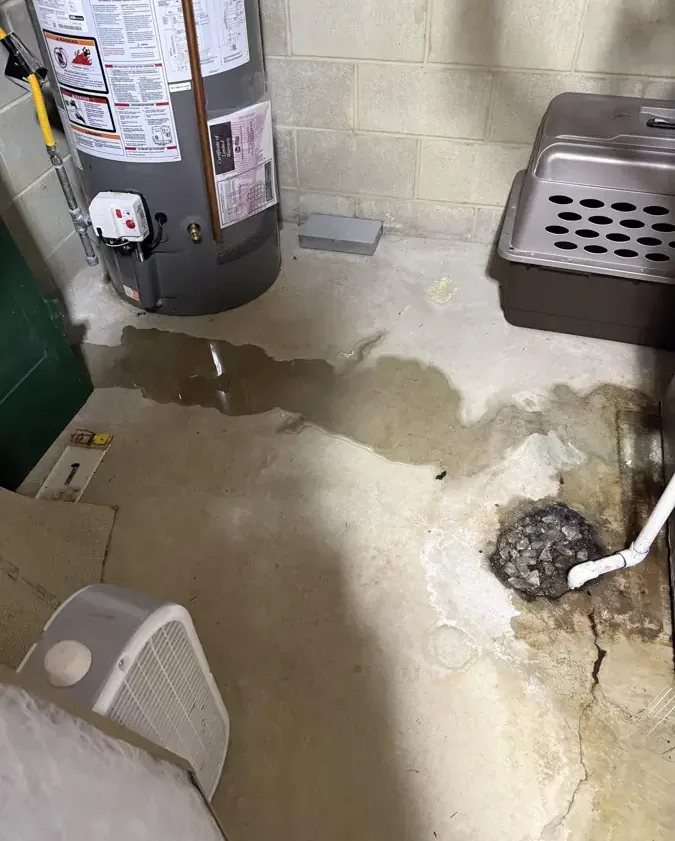
A heater repair can restore equipment operation while the utility room remains wet. Water may spread beneath stored containers, enter the bottom of a partition or cross a doorway into carpet and other finishes. Somerville requires a permit and inspection for expansion tank installation, making coordination with the plumbing professional part of that particular work. Interior cleanup has a different purpose: tracing escaped water and deciding what the surrounding materials need after the equipment problem has been brought under control.
How water heater leak cleanup is handled
Assess equipment surroundings
The cleanup inspection begins once safe access around the heater is established. It follows water across the utility floor and into adjacent materials, recording obstructions and any ongoing release that could affect the work.
Extract and expose wet edges
Accessible water is removed, and contents are handled to reveal concealed contact areas. Nearby trim, wall bottoms and doorway transitions are assessed to determine whether limited opening is needed for inspection or material treatment.
Arrange drying around the assembly
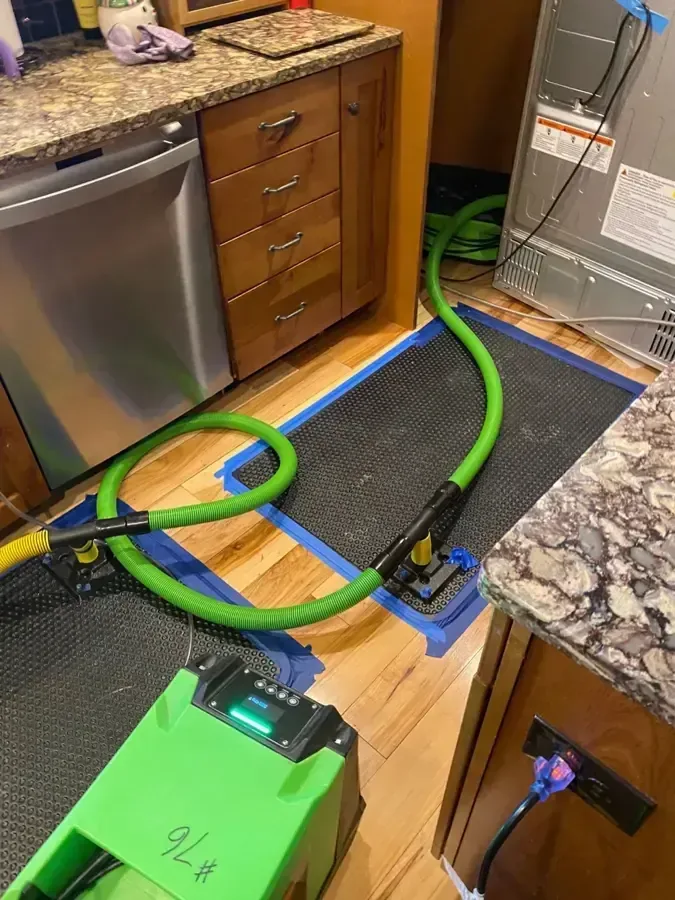
The remaining wet materials receive an equipment plan suited to their condition and access. Measurements are checked during drying, with attention to enclosed corners and layers concealed by storage or fixed room features.
Check the room before restocking
The final discussion distinguishes equipment service from completed water cleanup. Material observations, any removed finishes and remaining reconstruction are checked before shelving, boxes or other contents return against the treated floor and wall surfaces.
Look beyond the puddle beside the tank
The floor around a heater can contain equipment, shelving and stored belongings that obstruct inspection. The visible puddle may be only the accessible portion of the loss. A careful assessment checks beneath movable objects, around penetrations and at adjoining room thresholds. Water that has entered a wall bottom or floor covering may remain after the exposed utility floor has been wiped or extracted.
- Identify whether water is still appearing around the heater without touching wet equipment or controls.
- Keep electrical and fuel related safety questions with the appropriate equipment professional before cleanup access.
- Photograph stored belongings at floor level before they are moved away from the wet area.
- Inspect the doorway between the utility space and any connected finished room.
- Check the bases of nearby partitions where water may be absorbed behind trim or wall coverings.
- Retain equipment repair notes separately from the removal and drying records for surrounding building materials.
Water still spreading?
Water around a heater can reach storage and finished rooms before the equipment problem is discovered. Describe the visible spread, adjacent walls and current repair status so the cleanup scope includes the materials beyond the tank itself.
(888) 629-3140Check the wet utility areaCoordinate the utility area with occupied space
East Somerville lies between Washington Street and Broadway, east of McGrath Highway. Properties within that area can be described by these familiar locations, while access planning still depends on the individual building. A heater tucked behind storage needs a different removal route from equipment beside an open doorway. Safe clearance and the path for wet contents should be settled before equipment is brought inside.
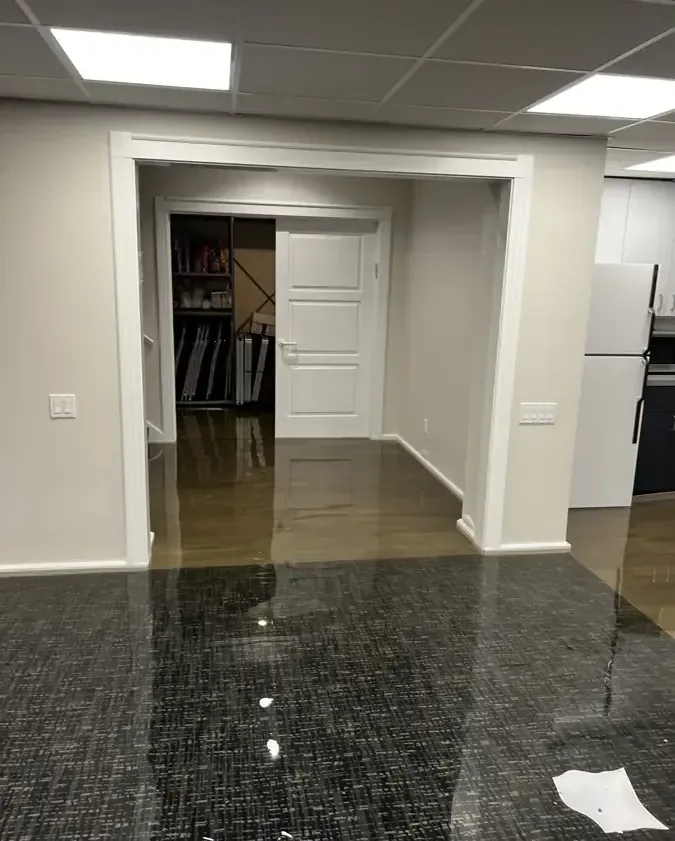
Where the water reached a finished lower room, basement cleanup considers floor coverings, wall materials and stored contents together. If it crossed onto wood flooring, the underside and subfloor require attention as well as the surface. The inspection should identify those connected materials instead of ending at the doorway of the utility area simply because the heater is located there.
- Separate dry stored belongings from items that stood directly in the escaped water.
- Check concealed edges before returning shelving or containers against a damp wall.
- Keep the work area accessible while remaining moisture is assessed after the heater repair.
Keep the work area safe
The response team checks electricity, unstable surfaces and water contamination before opening wet materials. Household members keep children and pets away from affected rooms. A qualified electrician handles wet circuits. The cleanup crew sets containment when dirty water or debris could reach occupied space, then establishes a safe route for equipment and removed material.
Base the dry-out on the room materials
Clarendon Hill is near Broadway and the Arlington border. Wherever the equipment room is located, concrete, timber, insulation and finishes can respond differently to water exposure. Structural drying addresses the moisture left in suitable materials after extraction. The drying arrangement needs to account for obstructions, enclosed corners and the wet layers found during the inspection.
Finish with separate answers about equipment and space
The owner should receive a clear explanation of the equipment repair status and the condition of the surrounding room. A working heater does not settle whether a wall base or floor covering has dried. Cleanup records should identify removed materials, drying observations and any replacement finishes still needed before storage or ordinary room use returns.
First decisions for water heater leak cleanup
Keep wet equipment untouched
Avoid operating controls or moving through water around the heater until equipment safety has been assessed. Describe visible leakage and nearby electrical or fuel equipment when arranging plumbing attention and interior cleanup access.
Identify the connected wet area
Note which doorway or wall the water reached and whether a finished room lies alongside the utility space. Those details help direct inspection beyond the open floor immediately surrounding the leaking equipment itself.
Document low stored belongings
Photograph boxes, shelving bases and other items exposed at floor level from a safe position. Keep dry storage separate and avoid putting damp contents into unaffected rooms before their condition has been assessed.
Keep the repair and cleanup coordinated
Ask the equipment professional to identify the completed correction and any remaining work. Leave enough access for the surrounding floor and partitions to be checked before stored belongings conceal them again after repair.
What does water heater leak cleanup cost in Somerville, MA?
Somerville heater leak cleanup estimates depend on spread beyond the equipment area, affected finishes and concealed moisture. These ranges describe surrounding water damage work; appliance service, plumbing changes and replacement materials should be identified separately in the project scope.
Accessible utility floor
$800 to $1,600
- Localized floor extraction
- Nearby contents checks
- Open drying access
Adjoining finished room
$1,600 to $2,800
- Wet doorway transition
- Wall bottom assessment
- Connected finish treatment
Concealed extended spread
$2,800 to $4,000+
- Hidden floor layers
- Obstructed material access
- More extensive drying
Category of water, square footage, material class and drying delay shape the scope. water damage cost calculator gives an estimate only.
Water heater leak cleanup across Somerville
Heater related cleanup follows escaped water through utility spaces and connected rooms throughout the city. Safe equipment access, stored contents and affected finish materials determine the practical restoration plan after the source receives attention.
The same service nearby: water heater leak cleanup in Belmont, Cambridge, Arlington.
Related water damage services in Somerville
Water Heater Leak Cleanup questions in Somerville, MA
Does replacing the heater dry the surrounding room?
Equipment replacement addresses the appliance, while escaped water can remain within surrounding materials. The floor, wall bases and nearby contents need inspection even after a new heater is operating. Cleanup records should identify those separate tasks and explain which assemblies still require drying before stored belongings return to their original locations.
What local requirements apply to an expansion tank installation?
The city requires a permit and inspection for expansion tank installation. The plumbing professional should coordinate that work through the appropriate process. The interior restoration scope remains focused on escaped water and affected materials, so equipment related paperwork and cleanup documentation should be retained as separate parts of the overall project.
Can water travel out of an unfinished utility space?
A doorway or continuous floor surface can allow escaped water to reach an adjoining finished room. Floor coverings and partition bases may absorb it even when the utility floor is easy to wipe. The inspection should follow the spread to its actual boundary rather than use the equipment room entrance as a stopping point.
Should boxes be moved immediately from beside the heater?
Dry belongings can be relocated when access is safe, but soaked contents need assessment and a suitable handling route. Photograph affected items before movement when possible. Avoid carrying wet boxes across clean floors or placing them against unaffected walls, where their retained moisture can create additional damage outside the original area.
Why inspect the bottoms of nearby walls?
Water on a utility floor can reach absorbent wall material through exposed edges or gaps around trim. The visible surface may dry before the concealed base does. Checking these contact points helps establish whether drying access or selective removal is needed and prevents stored items from hiding an unfinished wet area.
What should be settled before the room is used normally?
Equipment safety and source correction need confirmation from the appropriate professional, while the cleanup check addresses the surrounding materials. The owner should understand the drying observations and any remaining finish repairs. This separates a functioning appliance from a room that is ready for storage, foot traffic and ordinary use again.
Discuss cleanup beside the heater
Keep equipment service notes and photographs of the room available when coordinating source correction with the surrounding material assessment.
(888) 629-3140Plan the room's drying and repair