Water Heater Leak Cleanup in Arlington
Water around a heater can reach stored belongings and floor edges before the leak is noticed. Safe equipment isolation comes first, followed by inspection of the surfaces and layers surrounding the tank.
(888) 629-3140Discuss water around the heater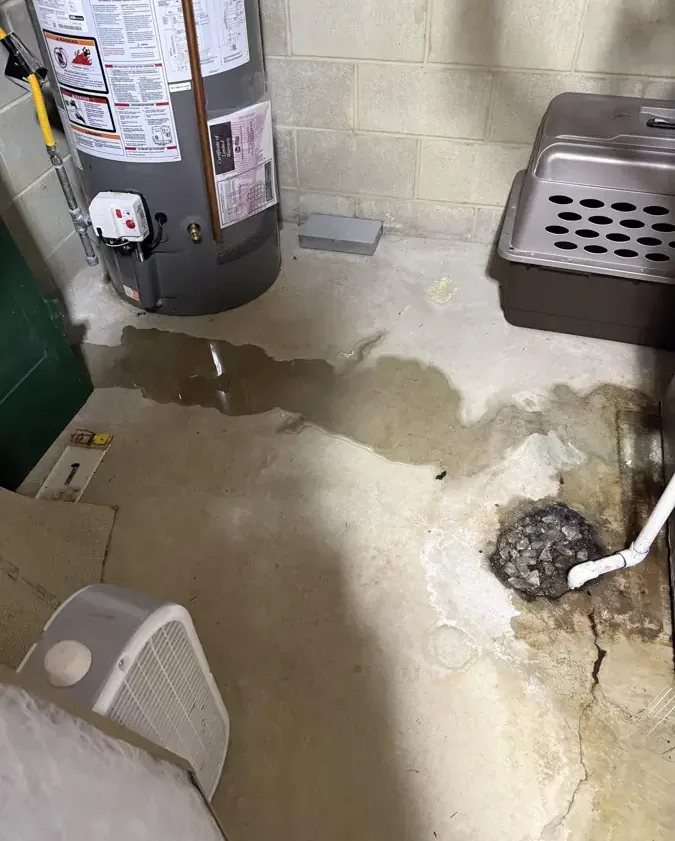
A water heater leak often becomes obvious at the equipment while the wider damage sits behind storage or along a wall. An Arlington cleanup assessment should establish the heater's actual location and the route water took from it. In Turkey Hill, a tank beside stored household items presents different access questions from equipment adjoining a finished room. The assessment begins with safe equipment handling, then follows the wet surfaces beyond the immediate tank footprint.
How water heater leak cleanup is handled
Establish equipment status
The assessment begins with isolation and planned heater work. Access around the tank establishes where inspection can occur immediately and which surfaces will become reachable after the equipment professional has completed the necessary service.
Survey the escaped water route
Floor edges, adjoining walls, and contents are checked beyond the tank. Findings identify affected assemblies and separate equipment repair from the cleanup tasks required to restore the surrounding building materials and connected finished room.
Remove water and expose layers
Accessible liquid is collected and unsuitable finishes are assessed for removal. Areas revealed during tank movement are inspected, with additional damage documented to explain any change in drying access beneath the former equipment position.
Dry around the restored equipment
Retained materials receive targeted drying and repeated observations. Equipment connections remain accessible, while the handoff identifies floor and wall work still needed before replacement trim or other finishes complete restoration of the surrounding room.
Make the heater safe before approaching the spill
Hot water and powered equipment can make the area unsuitable for household cleanup. A plumber or appropriate equipment professional should address isolation and repair. Residents should avoid touching controls from a wet position or trying to move the tank. Safe access also includes the path around stored belongings, since an unstable stack or soaked box can obstruct inspection and the removal route.
- The report should identify whether water continues to escape and whether equipment has been isolated.
- Storage against a wall can conceal damp trim or moisture extending into an adjoining room.
- A nearby drain may collect some water while other portions remain trapped beneath floor finishes.
- Soaked packaging and absorbent contents need assessment before they are moved into dry household storage.
- Tank removal by the appropriate trade may reveal wet surfaces that were previously inaccessible beneath equipment.
- Photographs of the initial floor condition help connect the leak footprint with later material removal decisions.
For homes in Little Scotland or North Union, the useful description names the equipment space and neighboring rooms. No particular heater position needs to be assumed from the neighborhood.
Water still spreading?
A leaking tank can leave wet materials well beyond the equipment itself. The initial discussion should describe source isolation, nearby storage, and any connected finished room so the assessment accounts for the full route of the escaping water.
(888) 629-3140Describe the heater spill footprintFollow the edge of the spill into the floor assembly
A seemingly clear floor can have wet seams, wall contact points, or layers below its finish. The assessment should check those transitions rather than stopping at the open area around the heater. Where liquid has spread into a larger room, water extraction handles accessible accumulation. The condition beneath coverings determines whether further opening is needed before drying can reach the retained components.
Replacing the heater changes the source condition, but it does not determine the state of surrounding materials. Water may already have affected a cabinet base, lower wallboard, or stored furniture. Separate notes for equipment work and building damage keep those responsibilities understandable. The homeowner can then consider a cleanup scope that names the actual wet assemblies rather than treating replacement of the tank as the end of the loss.
- Wall bases should be measured where the escaping water reached absorbent finishes.
- Floor transitions can reveal moisture beneath an adjoining carpet or wood covering.
- Retained contents need a suitable dry position that does not block equipment access.
Keep the work area safe
The response team checks electricity, unstable surfaces and water contamination before opening wet materials. Household members keep children and pets away from affected rooms. A qualified electrician handles wet circuits. The cleanup crew sets containment when dirty water or debris could reach occupied space, then establishes a safe route for equipment and removed material.
Prepare the surrounding room for reliable repairs
After unsuitable materials are handled, drying of the building assembly addresses suitable components around the equipment space. The drying arrangement should leave required heater access available and account for any further plumbing work. Repeated observations of the wet floor and adjoining surfaces help determine what remains before new trim, floor covering, or other finishes are installed.
Keep equipment and material records together
The heater service record describes the source work, while cleanup notes explain the escaped water's effects. Photographs, removed material descriptions, and moisture observations make that connection visible. The final handoff should identify any area revealed only after equipment was moved so those previously hidden surfaces receive attention before the room is restored.
First decisions for water heater leak cleanup
Avoid the wet equipment area
Residents should avoid hot water and powered equipment until access is assessed. Controls should remain untouched from standing water, and the tank should stay in place for the appropriate trade to handle safely.
Arrange safe source isolation
The equipment professional should assess the heater and connections. The cleanup contact needs to know whether the leak is continuing and whether further equipment access or replacement is planned before surrounding materials can be fully inspected.
Identify nearby wet belongings
From a safe position, the homeowner can note soaked boxes, furniture, or finished flooring next to the tank. Moving affected contents should wait until the handling route and the condition of the surrounding room are assessed.
Describe rooms beyond the heater
The initial report should include any doorway or wall edge reached by water. A connected finished room may require different removal and drying decisions from the equipment space, even if the visible spill began at the tank.
What does water heater leak cleanup cost in Arlington, MA?
Arlington heater leak cleanup planning ranges from $800 to $4,000+. The wet floor footprint, contents, and concealed spread affect the amount. Heater service or replacement should be listed separately from material removal, drying, and finish repairs.
Accessible utility floor
$800 to $1,600
- Open equipment surroundings
- Limited wet storage
- Reachable floor surfaces
Adjoining finished room
$1,600 to $2,800
- Connected floor coverings
- Wet wall bases
- Additional contents handling
Concealed extended spread
$2,800 to $4,000+
- Trapped assembly moisture
- Restricted equipment access
- Broader finish removal
Category of water, square footage, material class and drying delay shape the scope. water damage cost calculator gives an estimate only.
Water heater leak cleanup across Arlington
Heater leak assessments include Turkey Hill, Little Scotland, and North Union. Reports should describe the tank's location within the property, surrounding storage, and any finished room or lower space reached by the escaping water.
The same service nearby: water heater leak cleanup in Belmont, Winchester, Cambridge.
Related water damage services in Arlington
Water Heater Leak Cleanup questions in Arlington, MA
Should the homeowner move a leaking heater?
The tank and its connections should be handled by the appropriate equipment professional. Water, heat, power, and the weight of the equipment can complicate access. Residents should remain outside unsafe wet areas and explain the visible spill while source isolation and inspection of the surrounding materials are arranged.
Does water near a drain need further cleanup?
A drain may receive some of the spill while moisture remains at wall edges or beneath floor coverings. The surrounding surfaces still need inspection. The cleanup decision should follow the observed footprint and retained layers rather than assuming the drain collected all the water released by the equipment.
Can stored boxes hide the extent of the leak?
Absorbent boxes can become wet while blocking the view of the floor and wall behind them. Their condition should be documented before suitable handling or disposal. Once access is clear, the concealed surfaces need inspection to establish whether moisture reached neighboring finishes or remained beneath the stored items.
Is a replacement heater enough to complete recovery?
Replacing the equipment resolves the source when the repair is complete, but nearby building materials may still hold water. The cleanup scope should separately address flooring, walls, and affected contents. Those observations help determine what needs drying or replacement after the equipment itself is functioning again.
What if the leak reached a finished room?
The inspection should follow the water across the doorway and into the floor assembly. Different finishes may require different access and retention decisions. A connected room belongs in the damage record even if the heater sits elsewhere and the most visible water remained near the equipment.
What information helps coordinate the trades?
The equipment service status, planned tank movement, photographs of surrounding surfaces, and cleanup observations should remain available together. This helps the restoration work reach areas exposed during replacement and preserves necessary access around the heater while floor or wall materials are being dried and prepared for repair.
Discuss cleanup around the equipment
Mention any area that will become accessible when the tank is serviced or moved by the appropriate trade.
(888) 629-3140Arrange surrounding floor inspection