Water Heater Leak Cleanup in Cambridge
A puddle beside the heater can spread beneath stored items before anyone notices. Appliance isolation comes first, followed by a floor assessment that reaches adjoining rooms and the materials beneath their finishes.
(888) 629-3140Discuss water around the heater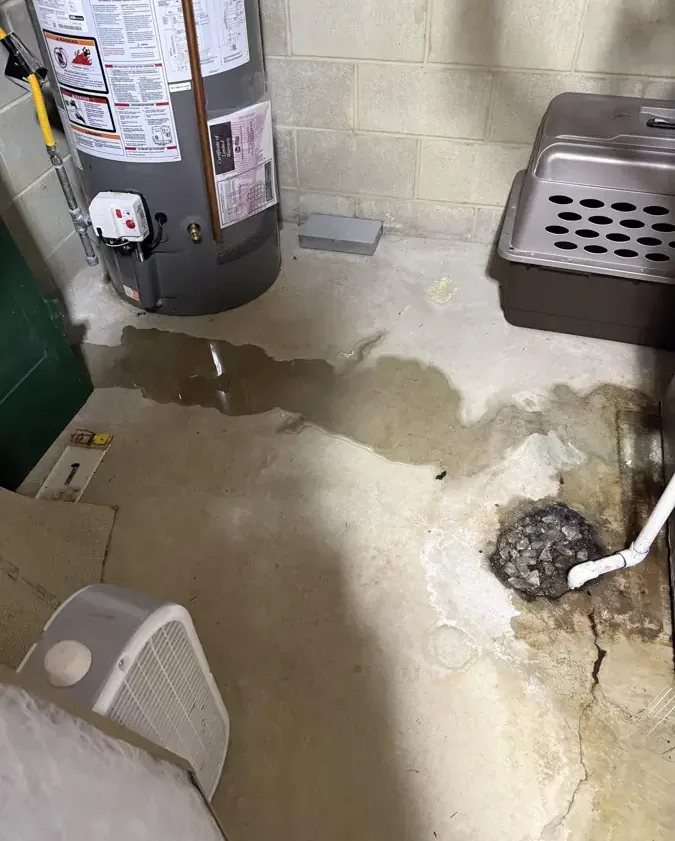
The heater may be the most obvious object in the wet room, but the restoration boundary follows the water. Liquid can pass beneath a storage shelf, through a doorway or behind a low partition while remaining shallow around the appliance itself. A Cambridge property near Fresh Pond, The Port or Lechmere Square needs inspection of the actual heater location and surrounding finishes. The layout determines what can be reached and which connected materials require drying.
How water heater leak cleanup is handled
Check isolation and access
The assessment confirms the reported source status and any appliance movement planned by the responsible trade. It identifies wet equipment concerns and the floor access available around the existing heater.
Recover liquid across connected areas
Removal follows the spill through utility surfaces and adjoining thresholds. Obstructing contents are evaluated and moved appropriately so pooling beneath shelving or beside partitions is not left outside the work area.
Dry the retained room materials
Moisture checks define affected floor layers, wall bases and other retained surfaces. Equipment is arranged around safe appliance access, with monitoring focused on the material boundaries that absorbed the release.
Document room and appliance handoffs
The final record separates heater repair or replacement from completed restoration. It identifies damaged finishes, contents decisions and remaining room repairs so the owner can coordinate the trades around a clear scope.
Resolve the appliance fault safely
A plumbing or appliance professional should address the leaking heater, its connections and the appropriate isolation procedure. Water, hot surfaces and electrical or fuel connections require careful handling. Cleanup personnel need to know whether the source is controlled and whether the heater must be moved. Those findings influence access to the floor and the sequence of removal, drying and replacement work.
- Describe whether water is still accumulating and where it appears around the appliance.
- Keep people away from wet electrical controls and other equipment beside the heater.
- Photograph affected storage and floor finishes before the appliance is moved where safely possible.
- Identify connected rooms that share a threshold or low wall with the wet area.
- Leave the heater's source repair decisions with the appropriate trade while the restoration assessment determines how the released water affected the surrounding building materials.
A replacement appliance can occupy the same spot before the floor underneath has received attention. The work plan should prevent that sequence from concealing water or obstructing necessary drying access.
Water still spreading?
A failed heater can leave the surrounding room wet after the appliance is isolated. Describe the floor spread, nearby storage and any planned replacement so the assessment can coordinate access beneath the unit and into adjoining finishes before those surfaces are covered again.
(888) 629-3140Assess the heater spill areaInspect the utility room's overlooked edges
Stored boxes and furniture can absorb water at their bases while hiding the floor beneath them. Wallboard edges may wick moisture above the puddle, and floor coverings can trap water after the open surface is wiped clear. The inspection should follow these contact points individually. Contents that obstruct the wet perimeter need a documented movement plan rather than being stacked into the next room indiscriminately.
Water extraction clears recoverable liquid from accessible surfaces. When the spill has reached a finished lower room, basement water removal adds attention to access and the lower-level assembly. The remaining drying plan should identify what sits beneath any covering retained beside the heater.
- Check the opposite side of a partition where wet trim suggests water crossed beneath it.
- Inspect beneath movable shelving before deciding that the surrounding concrete has dried.
- Record damaged belongings separately from the appliance replacement and building restoration costs.
Keep the work area safe
The response team checks electricity, unstable surfaces and water contamination before opening wet materials. Household members keep children and pets away from affected rooms. A qualified electrician handles wet circuits. The cleanup crew sets containment when dirty water or debris could reach occupied space, then establishes a safe route for equipment and removed material.
Coordinate drying with replacement work
Moving or replacing a heater creates an opportunity to inspect previously covered surfaces. That access should be used deliberately, with photographs and moisture checks before the replacement occupies the space. The appliance installer and restoration assessment can then coordinate around a clear floor condition, instead of assuming that removal of the failed unit also resolved the surrounding moisture.
Finish with a usable room record
The handoff should explain which walls, floors and contents were affected, what remained in place and which repairs are outstanding. If the room contains other equipment, note any inspection needs outside the cleanup scope. A clear distinction between a functioning new heater and a dried utility area helps the owner follow the complete recovery of the space.
First decisions for water heater leak cleanup
Report the appliance condition
Explain whether the heater is actively leaking and whether water has reached nearby controls or equipment. Avoid operating wet components, and arrange appropriate professional isolation before assuming the area is safe for access.
Identify the full water edge
From a safe position, note adjoining doorways, shelving and low partitions that the spill has reached. Include rooms beyond the heater so the assessment does not stop at the appliance footprint.
Record stored items before movement
Photograph boxes, furniture bases and affected floor coverings where accessible. A contents record helps distinguish damaged belongings from the heater fault and the separate work needed to dry the room itself.
Coordinate the replacement sequence
Tell the appliance installer that wet surfaces may need inspection beneath the unit. Arrange access so removal, moisture assessment and replacement can proceed without covering an area that still requires drying attention.
What does water heater leak cleanup cost in Cambridge, MA?
Cambridge heater leak cleanup ranges depend on accessible floor area, adjoining finishes and hidden spread beneath contents. The restoration estimate should distinguish the wet-room work from heater repair or replacement. Inspection determines how far the released water traveled.
Accessible utility floor
$800 to $1,600
- Open surface extraction
- Appliance perimeter checks
- Localized drying access
Adjoining finished room
$1,600 to $2,800
- Threshold moisture tracing
- Wet wall assessment
- Connected finish assessment
Concealed extended spread
$2,800 to $4,000+
- Obstructed floor access
- Multiple material layers
- Expanded contents coordination
Category of water, square footage, material class and drying delay shape the scope. water damage cost calculator gives an estimate only.
Water heater leak cleanup across Cambridge
Heater leak assessments serve Cambridge properties around Fresh Pond, The Port and Lechmere Square. Describe the appliance location, nearby finishes and replacement arrangements so inspection can reach the affected floor and connected spaces.
The same service nearby: water heater leak cleanup in Belmont, Somerville, Arlington.
Related water damage services in Cambridge
Water Heater Leak Cleanup questions in Cambridge, MA
Does replacing the heater finish the cleanup?
Replacement resolves the appliance problem when properly completed, but water can remain in surrounding floors, walls and contents. The utility area needs its own assessment. Coordinating access while the old heater is removed allows inspection beneath the unit before a replacement covers that surface again.
Can the leak affect a room beyond the utility area?
Water can cross a threshold or pass beneath a partition, especially where finishes conceal the path. The inspection should check adjoining wall bases and floor transitions. A room with no obvious puddle may still have absorbed water in the edge of its carpet or other floor layers.
Should wet storage boxes be moved immediately?
Movement depends on safe access and the condition of the contents. Photograph affected items where possible and avoid carrying saturated packaging across clean flooring without a plan. Boxes may hide pooling underneath, so their position and the floor beneath them belong in the restoration assessment.
What information does the installer need about drying?
The installer should know which floor areas remain wet or require inspection and whether equipment needs access around the new appliance. Clear coordination helps avoid closing off a damp surface. The restoration record can identify what has been checked and any work remaining beside the installation area.
Is a floor drain enough to prevent room damage?
A drain may carry some water away while shallow pooling remains elsewhere or materials absorb moisture along the route. The actual floor condition needs inspection. Wall bases, stored contents and adjoining finishes can require attention even when much of the released water reached the drain.
What should be included in the written scope?
The scope should identify extraction areas, contents handling, affected finishes and the drying plan. It should also state whether appliance repair, replacement and finish reconstruction are separate. That distinction makes it easier to understand a functioning heater alongside remaining work needed to restore the room.
Discuss appliance and floor access
Clear separation of appliance repair and room restoration helps identify the water damage that still needs removal, drying or finish replacement.
(888) 629-3140Assess utility room water damage