Water Heater Leak Cleanup in Winchester
Water escaping a heater can keep spreading while the nearest floor looks unchanged. Arrange safe equipment isolation, identify the release and inspect every adjoining surface along the path away from it.
(888) 629-3140Discuss water escaping the heater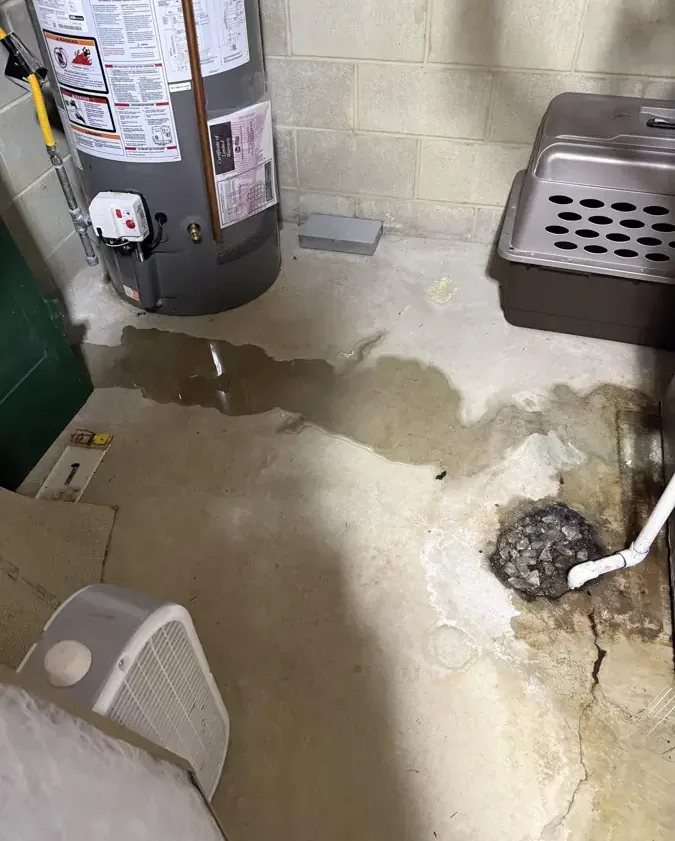
A wet patch beside a water heater may come from the tank, a nearby connection or another source in the room. The equipment needs qualified evaluation before the cleanup scope assumes which part failed. Avoid contact with hot water and keep away from wet electrical components. Once safe isolation is addressed, the inspection should follow the release across the floor rather than stopping at the equipment footprint where the water was first noticed.
How water heater leak cleanup is handled
Assess source and contact
Check equipment repair findings and trace the release through nearby floor surfaces. Identify hot-water exposure, wet contents and adjoining finishes before choosing collection methods or moving equipment through the room.
Extract around fixed obstacles
Remove accessible pooling while protecting the equipment work route. Inspect beneath movable items and around partitions, documenting where the release passed beyond the tank area into another floor finish or room.
Reach retained wet layers
Coordinate openings or equipment movement where they are needed for drying. Monitor wall bases and floor layers separately, with attention to places that were concealed before the heater was serviced or removed.
Check the room handoff
Check the remaining moisture assessment and list finish repairs around the equipment. Keep any continuing floor seepage separate from the completed heater work so the owner can coordinate additional source attention if needed.
Find where the floor carries the release
At a Winchester property around Wedgemere, Waterfield Road or the Center Falls Dam area, describe the actual heater location and surrounding floor layout. A leak can reach a partition base, pass through a doorway or disappear beneath stored items. The cleanup plan depends on those surfaces and access conditions. Record which edges became wet and whether the area expanded while the equipment remained connected.
A floor drain nearby can make the release less obvious without settling the condition of surrounding materials. Water may touch cardboard, wood trim or a finished floor before reaching the drain. Inspect the intermediate path and lower surfaces of nearby contents. Removing the visible puddle is only part of the work if absorbent layers have already received water.
- Photograph the tank surroundings and the wet boundary before equipment or stored contents are moved.
- Note water beneath shelving, enclosed cabinet ends and partitions adjoining the equipment area.
- Identify any flooring transition where moisture may have traveled beneath a different finish.
- Keep replacement equipment access separate from the surfaces still needing water removal or drying.
- Record whether the floor becomes wet again after the suspected heater release is isolated.
Water still spreading?
Water around a heater needs a source assessment and a careful look beyond the equipment base. Describe the floor route, adjoining finishes and repair status so extraction and drying can be coordinated with the equipment work.
(888) 629-3140Check the heater leak footprintCoordinate replacement with restoration access
The repair professional may need room to remove or service the heater. Restoration may need that same space to reach wet materials behind or beneath it. Discuss the sequence before replacement equipment blocks an affected surface. Document the exposed floor and wall condition while access is available, and explain any material removal needed because of damage or trapped moisture.
Winchester identifies rising groundwater as a possible cause of basement flooding anywhere in town. If water continues entering through a floor crack after the heater is isolated, record that route separately. A tank repair and a foundation entry problem require different follow-up attention even when they wet the same room during the same period.
Keep the work area safe
The response team checks electricity, unstable surfaces and water contamination before opening wet materials. Household members keep children and pets away from affected rooms. A qualified electrician handles wet circuits. The cleanup crew sets containment when dirty water or debris could reach occupied space, then establishes a safe route for equipment and removed material.
Dry beyond the equipment footprint
Adjoining materials may respond differently to the release. A bare concrete surface can look dry while the base of a partition remains damp. A flooring seam can hide water beneath an apparently intact covering. The water extraction service addresses pooled liquid, and structural drying focuses on moisture remaining inside retained materials.
At the end of the drying stage, check the heater repair status, affected finishes and any openings left for reconstruction. Keep photographs from the equipment change with the restoration record. This allows the owner to distinguish completed source work from the flooring, trim or wall repair still needed around the newly accessible area.
First decisions for water heater leak cleanup
Avoid the equipment hazards
Stay away from hot escaping water and wet electrical parts. Arrange qualified attention to energy and water isolation, and do not reach across a puddle to operate controls on the damaged equipment.
Describe the spread first
Report the heater location, the wet floor boundary and whether an adjoining room has been reached. Mention water beneath storage or shelving so the inspection includes areas hidden by the normal room arrangement.
Preserve useful photographs
Capture the tank surroundings and affected contents from a safe position before replacement work changes access. Keep the repair findings with those images so the release and restoration scope remain connected.
Coordinate access before replacement
Tell the repair and restoration providers about wet surfaces behind the equipment. The work sequence should leave enough access to inspect and dry affected materials before a replacement heater or stored contents occupy that space.
What does water heater leak cleanup cost in Winchester, MA?
Water heater cleanup in Winchester depends on access around the equipment and the finishes reached by the release. These planning figures describe restoration; heater service, replacement and reconstruction should be clarified separately in the written scope.
Accessible utility floor
$800 to $1,600
- Open collection area
- Limited contents movement
- Focused moisture checks
Adjoining finished room
$1,600 to $2,800
- Wet flooring transition
- Affected partition edges
- Expanded equipment placement
Concealed extended spread
$2,800 to $4,000+
- Restricted material access
- Several concealed layers
- Coordinated equipment removal
Category of water, square footage, material class and drying delay shape the scope. water damage cost calculator gives an estimate only.
Water heater leak cleanup across Winchester
The Manchester Road corridor, Shore Road area and other town properties can request heater-related cleanup. Include the equipment location, safe access conditions and the adjoining rooms reached by water when describing the loss.
The same service nearby: water heater leak cleanup in Belmont, Arlington, Somerville.
Related water damage services in Winchester
Water Heater Leak Cleanup questions in Winchester, MA
Does the tank always need replacement after a leak?
The source may be the tank or a connected component, so a qualified repair professional should evaluate the equipment. Restoration addresses the materials affected by the release. Keep the repair findings with the cleanup record so decisions about equipment and building finishes remain clearly separated and coordinated.
Why inspect beyond the drain near the heater?
Water may contact contents, trim and floor layers before it reaches a drain. A visible drainage route can reduce pooling while leaving those materials wet. The inspection should follow the entire path and assess absorbent surfaces, including places hidden behind storage or at an adjoining room threshold.
Can the replacement heater be installed before drying?
The sequence depends on access and the condition of the surfaces around the equipment. Discuss the wet floor and wall areas with both providers before installation. Replacement should be coordinated so it does not conceal material that still needs inspection, cleaning or drying behind the equipment footprint.
What if water keeps appearing after the heater is isolated?
Record the location of the returning water and have the source reassessed. Another connection may be involved, or groundwater may be entering a lower floor through cracks. Distinguishing that route prevents the cleanup from attributing every new wet patch to equipment that has already been isolated.
Can stored cardboard boxes be left beside the wet area?
Inspect the bottoms and sides for contact with the release before moving them into dry storage. Wet cardboard can hide affected contents and obstruct access to the floor. Photograph damaged groups and establish a handling plan so the cleanup does not lose track of what was exposed.
What should the final restoration record show?
It should identify the observed release, repair coordination, affected material footprint and any removed finishes. Retained material readings and remaining reconstruction needs belong with those notes. This gives the owner a practical account of the work around the heater and the room surfaces that still require repair.
Arrange drying around the equipment
Keep access to wet surrounding materials available while the repair and restoration sequence is established for the room.
(888) 629-3140Discuss tank area water damage