Storm and Flood Cleanup in Winchester
Storm water can bring sediment through a doorway while groundwater enters elsewhere below the floor. Record each route, establish safe access and plan cleanup around the materials the water actually contacted.
(888) 629-3140Discuss storm entry damage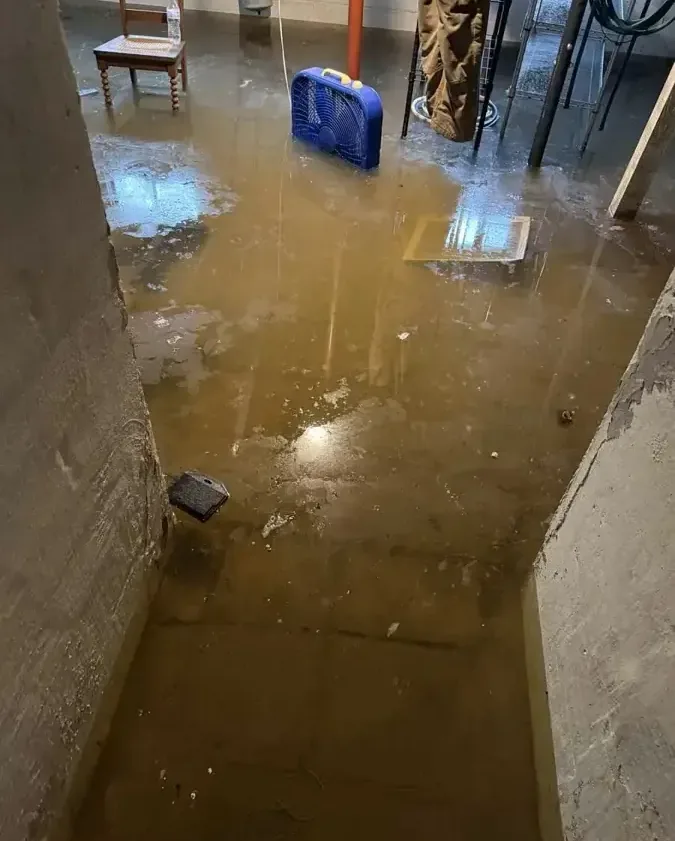
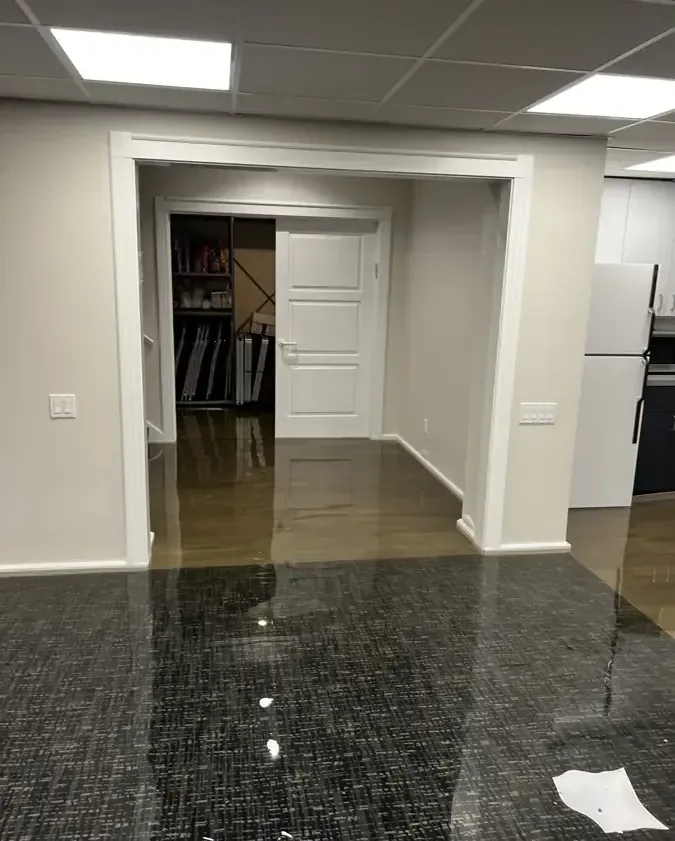
Outdoor flooding can leave a complicated interior pattern: muddy water near the entrance, damp walls farther inside and fresh seepage at a floor joint after the rain ends. Photograph those differences before cleanup erases the visible route. The restoration plan should address the water already inside and the possibility of renewed entry. Safe access, electrical evaluation and the condition of the building come before moving equipment into a flooded lower room.
How storm and flood cleanup is handled
Assess water and access
Survey the flood footprint, sediment and affected finishes after safe entry is established. Identify possible continuing routes and plan collection around stairs, fixed contents and the condition of the lower room.
Collect water and debris
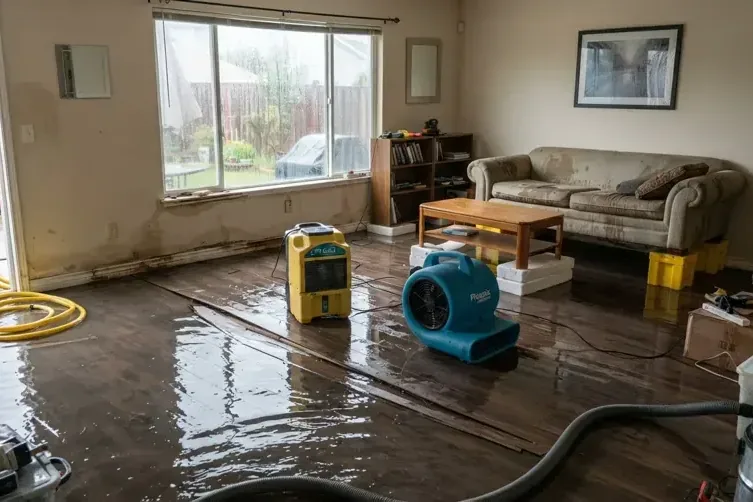
Remove pooled water with equipment appropriate to the conditions, then address loose sediment and damaged contents. Keep disposal movement controlled so the cleanup does not extend dirty contact into dry spaces.
Expose and clean materials
Inspect the layers behind wet trim and floor edges. Explain removal decisions, clean accessible retained surfaces and document areas where debris or moisture traveled beneath finishes that initially looked less affected.
Monitor the dry-out boundary
Track moisture in retained materials while checking for renewed entry. Adjust equipment or access when readings stall, and identify unresolved water routes before the owner coordinates reconstruction of the affected interior spaces.
Separate the town's flooding mechanisms
The Aberjona River and Horn Pond Brook are significant surface-water flooding sources in Winchester. Wedge Pond can also experience surface flooding. Poor street drainage and rising groundwater are additional mechanisms identified by the town. A particular loss may need investigation of more than one route, especially when water continues appearing through floor cracks after the surface flow outside has changed.
March 22, 2001: Snowmelt contributed to a flood with the highest recorded Aberjona River gage flow in the town table. March 14, 2010: The town recorded a surface-water flood. March 30, 2010: Another surface-water event followed. These events establish a local history of flooding; the present cleanup scope should document the current water marks, entry openings and damaged materials at the property.
Water still spreading?
Storm damage is easier to assess when each water route is described separately. Report outdoor entry, foundation seepage and the rooms affected so collection, cleaning and drying can be planned around changing conditions.
(888) 629-3140Review the storm water footprintRemove sediment without spreading the footprint
- Keep contaminated or muddy footwear away from dry rooms and the planned equipment staging area.
- Photograph debris deposits and water marks before collecting liquid or moving affected contents.
- Inspect absorbent finishes at the flood boundary, including edges hidden by trim or furniture.
- Establish a disposal route for damaged materials that avoids occupied unaffected spaces.
- Coordinate source and safety concerns before starting removal in a deeply flooded lower area.
Collection and cleaning need to reach the surfaces beneath the obvious sediment. Floor seams, cabinet ends and wall bases can retain residue after a central walking path looks clear. Where finishes hide contaminated contact or trapped moisture, the scope should explain the need for access and the material decisions made after opening.
Wet soil accepts less additional precipitation and can increase stormwater runoff. Rivers and ponds may also take several days to return to normal. Those conditions make repeat observation useful: mark renewed pooling, compare its location with the original entry and tell the restoration provider when the pattern changes.
Keep the work area safe
The response team checks electricity, unstable surfaces and water contamination before opening wet materials. Household members keep children and pets away from affected rooms. A qualified electrician handles wet circuits. The cleanup crew sets containment when dirty water or debris could reach occupied space, then establishes a safe route for equipment and removed material.
Plan drying around continuing entry
Groundwater above the basement floor can push through small cracks in foundations or concrete. A room that keeps receiving water needs source coordination alongside interior work. Basement water removal addresses that lower-level sequence, while structural drying follows the moisture remaining in retained building materials after access and cleaning.
Keep the cleanup record organized by room and water route. Include removed finishes, cleaned surfaces and any unresolved entry points before scheduling reconstruction. A dry-looking wall face is only one observation; the retained assembly and the conditions feeding it need check before openings are closed and normal use resumes.
First decisions for storm and flood cleanup
Wait for safe access
Stay out of flooded spaces with uncertain electrical conditions, unstable finishes or hidden floor hazards. Arrange the appropriate safety assessment before using the lower level as a route to valves, storage or equipment.
Record distinct entry routes
Photograph threshold flow, wall seepage and floor cracks separately from a safe position. Note whether each route remains active after rainfall ends so the inspection can account for changing exterior conditions.
Separate dry belongings
Move reachable dry items away from threatened adjacent areas without carrying them through dirty water. Leave sediment-covered or saturated contents for an organized handling plan that protects unaffected rooms and household access.
Describe outdoor changes
Report whether nearby water has receded, pooling has returned or a doorway remains exposed. These observations help coordinate interior collection with source concerns instead of treating the first removal pass as final.
What does storm and flood cleanup cost in Winchester, MA?
Storm cleanup in Winchester ranges with sediment, contaminated contact and the extent of finished space involved. These planning figures address interior restoration; exterior entry repairs and rebuilding should be clarified separately when the property scope is reviewed.
Limited entry area
$2,500 to $4,500
- Accessible collection route
- Localized sediment cleaning
- Initial material assessment
Finished lower rooms
$4,500 to $8,000
- Affected porous finishes
- Concealed edge access
- Expanded drying work
Extensive interior flooding
$8,000 to $12,000+
- Broad debris handling
- Several wet assemblies
- Ongoing entry monitoring
Category of water, square footage, material class and drying delay shape the scope. water damage cost calculator gives an estimate only.
Storm and flood cleanup across Winchester
The Shore Road area, Center Falls Dam area and other town locations can request an assessment of indoor storm damage. Describe safe access, water entry points and whether pooling continues after the weather changes.
The same service nearby: storm and flood cleanup in Belmont, Arlington, Somerville.
Related water damage services in Winchester
Storm and Flood Cleanup questions in Winchester, MA
Why can a basement stay wet after rainfall ends?
Rivers and ponds may recede slowly, and groundwater can remain above a basement floor after surface rainfall stops. Water can continue entering through small foundation cracks. Record the location and timing of new seepage so interior cleanup can be coordinated with the continuing source conditions around the building.
Should storm water be treated like a clean pipe leak?
Outdoor water can carry sediment and other contaminants into the building. The assessment should consider its route, contacted surfaces and affected materials before choosing removal and cleaning methods. A room that appears clearer after collection may still need access beneath finishes where residue and moisture remain trapped.
What should be photographed before sediment is removed?
Record water marks, debris deposits, threshold entry and the condition of affected contents from safe access. Include the boundary between wet and dry areas. Those images help explain the original footprint after cleaning changes the scene and support decisions about which materials required removal or further inspection.
Can the cleanup begin while groundwater keeps entering?
Some interior work may be possible after safety and source conditions are assessed, but the plan needs to account for renewed water. Continued seepage can change equipment use and drying progress. The restoration provider should explain which work can proceed and which decisions depend on controlling the entry.
Do nearby flood projects settle an individual property concern?
The affected building still needs its own assessment of surface flow, drainage and groundwater. The town identifies groundwater flooding as a separate problem from river or street projects. A property-specific account of water entry is the useful basis for cleanup and any additional source work.
When can wall and floor finishes be replaced?
Replacement follows source assessment, appropriate cleaning and the drying evaluation of retained materials. Check the scope for remaining openings, removed finishes and unresolved entry routes. The repair contractor needs that information before covering the assembly so the reconstruction reflects the actual condition left after the flood cleanup.
Arrange an interior flood assessment
Keep photographs of sediment and water marks before cleanup changes the surfaces inside the building.
(888) 629-3140Discuss water returning indoors