Ceiling Leak Water Damage in Arlington
A changing ceiling stain deserves attention to the space above it. Safe inspection connects the overhead finish with plumbing, flooring, and insulation that may be holding water out of sight nearby.
(888) 629-3140Discuss the changing ceiling stain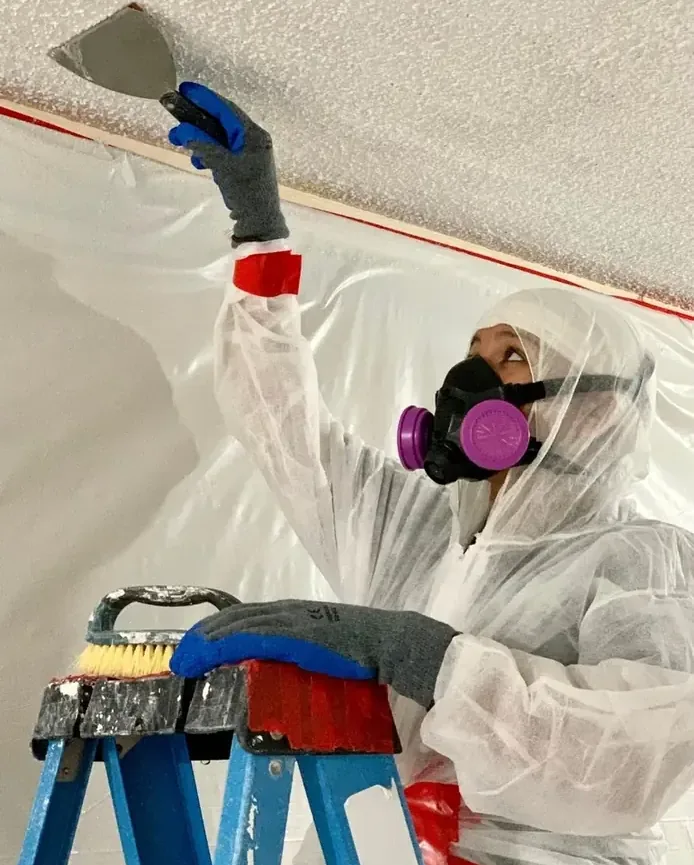
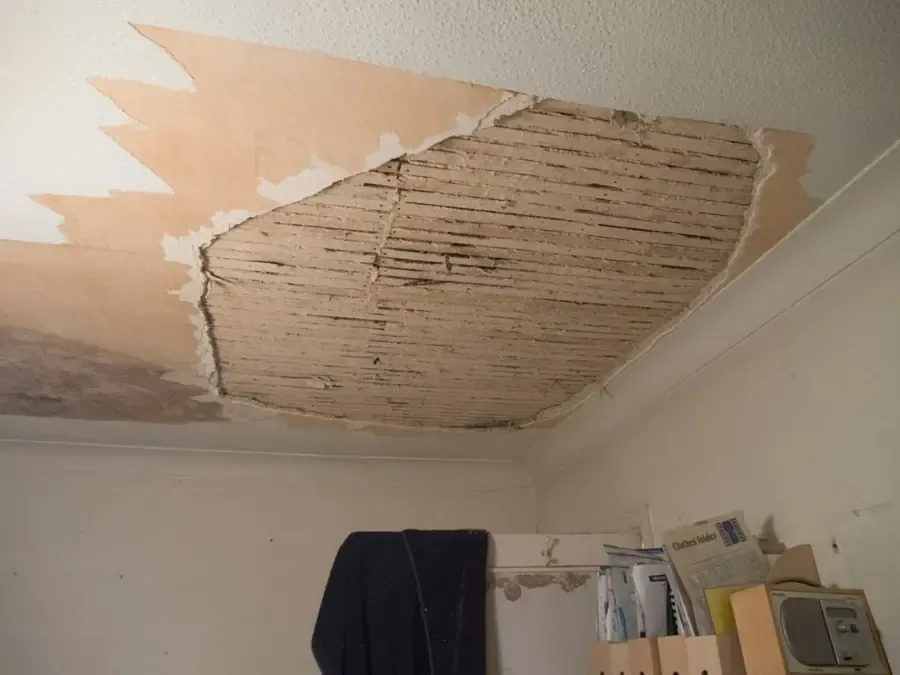
The room below a leak often shows damage before the source is understood. A ceiling spot may expand, a seam may darken, or a finish may begin to sag. Arlington has single-family houses as well as double- and triple-decker homes, so the space above may belong to another household. In East Arlington, coordinating access to that upper area can be as important as documenting the visible condition in the room beneath it.
How ceiling leak water damage is handled
Assess overhead stability
The inspection considers finish condition, nearby fixtures, and safe room access. Information from the space above helps determine where controlled opening is needed and how the area beneath should be protected during work.
Inspect the concealed cavity
Selective access reveals wet insulation and retained building members. The assessment follows moisture beyond the visible mark and records the condition of layers previously hidden behind the ceiling or upper floor assembly.
Address unsuitable wet layers
Damaged finishes that cannot remain are removed under the agreed scope. Retained framing receives drying matched to the cavity, with access maintained for repeat observations until the next repair decision can be made.
Hand off the overhead repair
Source information and material observations are brought together before enclosure. The record identifies removed finishes, retained components, and upper-room work still affecting insulation replacement, ceiling repair, or ordinary use of the room below.
Assess the room beneath the wet assembly
Overhead water changes the access decision. Residents should avoid working under loose or bowed material, especially near fixtures or electrical equipment. A safe doorway offers a better place for photographs than the center of a damaged room. Contents protection and controlled removal are considered after the ceiling has been assessed, with the work area arranged to keep falling debris away from occupied spaces.
- A stain around a fixture needs attention to electrical safety before the fixture is touched.
- Softened seams may indicate moisture beyond the most obvious discolored patch on the ceiling.
- Insulation above the finish can hold water after dripping has stopped in the room.
- Upper flooring and plumbing need inspection when the source remains inside another living area.
- Furniture should only be moved from beneath damaged finishes when access has been assessed as suitable.
- Photographs can connect the original ceiling appearance with the cavity revealed during controlled removal work.
For a home near the Minuteman Bikeway, the report should describe the affected room and the space above it. In Kelwyn Manor, the same vertical relationship helps organize inspection access.
Water still spreading?
An overhead stain needs attention to the room above and the materials hidden behind it. Describe changes in the finish, any continuing drips, and whether another household controls access to the source area.
(888) 629-3140Discuss overhead water damageUse an opening to answer specific moisture questions
A controlled ceiling opening can expose wet insulation, framing, and the underside of the floor above. Its purpose should be clear: identify the water route, remove unsuitable material, or make retained components reachable for drying. The visible stain may be smaller than the affected cavity, so the scope should allow for findings that become apparent only when the assembly can be inspected.
If the upper problem involves equipment, appliance leak cleanup examines how water escaped beneath or behind that appliance. The lower room still needs its own material assessment. Linking these observations prevents an upper repair from being mistaken for completion of the ceiling work. It also gives each affected household a clearer explanation of why entry to both spaces is necessary.
- Ceiling finish condition helps determine whether a patch or broader removal is appropriate.
- Exposed framing should be checked along the route leading away from the entry point.
- Removal and drying notes should identify the room and the upper space connected to it.
Keep the work area safe
The response team checks electricity, unstable surfaces and water contamination before opening wet materials. Household members keep children and pets away from affected rooms. A qualified electrician handles wet circuits. The cleanup crew sets containment when dirty water or debris could reach occupied space, then establishes a safe route for equipment and removed material.
Plan replacement around the cavity's condition
Once access is available, drying of retained materials addresses suitable components above the room. A replacement ceiling should follow source control and material assessment. The repair handoff can describe opening dimensions through the repair trade's record, the finishes removed, and any remaining work above. The homeowner then has a practical sequence for insulation, ceiling repair, and decoration.
Keep shared access arrangements explicit
In a building with stacked households, the owner or manager should coordinate permission, room access, and any restrictions during overhead work. Separate photographs from the upper and lower areas help explain their connection. Residents also need to know whether equipment placement or open cavities affect use of the room while the remaining materials are being evaluated.
First decisions for ceiling leak water damage
Leave bowed finishes undisturbed
Residents should avoid the area below a swollen ceiling and should not poke holes to release water. The room needs a safe access assessment before contents are moved or any overhead material is disturbed during cleanup.
Identify the space directly above
The first report can identify an upper bathroom, kitchen, roof area, or another occupied unit when known. That description helps coordinate access above the stain and trace the route between the source and the visible damage.
Coordinate upper room access
A building owner or manager can arrange entry where another household occupies the space above. Related observations should be shared so the source repair and lower ceiling assessment follow the same water route through the building.
Document the visible changes
Safe photographs of seams, stains, and affected contents preserve the condition before controlled opening. Any change in dripping or ceiling shape should be reported while residents continue to avoid the restricted overhead work area.
What does ceiling leak water damage cost in Arlington, MA?
Arlington ceiling cleanup planning ranges from $900 to $4,500+. Cavity access, insulation condition, and the spread of overhead moisture shape the scope. Source repair and replacement ceiling finishes should be distinguished from the cleanup estimate.
Small overhead leak
$900 to $1,800
- Limited ceiling
- Accessible source area
- Focused finish removal
Wet cavity and insulation
$1,800 to $3,000
- Concealed moisture access
- Insulation handling needs
- Exposed timber drying
Connected ceiling areas
$3,000 to $4,500+
- Adjoining overhead spaces
- Broader removal scope
- Several inspection locations
Category of water, square footage, material class and drying delay shape the scope. water damage cost calculator gives an estimate only.
Ceiling leak water damage across Arlington
Ceiling assessments serve East Arlington, Kelwyn Manor, and other neighborhoods across town. Details about the room above, any shared occupancy, and changes in the overhead finish help arrange the right inspection access.
The same service nearby: ceiling leak water damage in Belmont, Winchester, Cambridge.
Related water damage services in Arlington
Ceiling Leak Water Damage questions in Arlington, MA
What makes a ceiling leak an access concern?
A wet ceiling can contain loose finishes, retained water, and electrical components. Its condition needs assessment before anyone stands beneath it or attempts an opening. Residents should remain outside the affected area and describe visible changes from a safe position while controlled access is arranged for the room.
Does the stain show where the water began?
The stain shows where moisture became visible. Water may have traveled along framing or the underside of flooring before reaching that point. Inspection of the cavity and the space above helps connect the symptom to the source and identifies other materials along the same route.
Can the upper household continue using the fixture?
If a fixture or appliance is suspected of causing the escape, its use should pause pending appropriate assessment. The property manager can coordinate that information between occupants. Source control and lower-room safety need to be considered together before normal use resumes in the connected upper area.
Will every ceiling need a large opening?
The opening depends on finish stability, the moisture route, and access to affected materials. A limited opening may answer the inspection questions in one situation, while another requires broader removal. The work plan should explain the purpose and record additional findings before the repair scope changes.
Why inspect insulation that is hidden above the stain?
Insulation can retain water and restrict access to surrounding materials. Its condition affects both removal decisions and the ability to dry the retained assembly. Inspection should document what is found above the ceiling so new finishes do not conceal wet or unsuitable layers after the visible damage is repaired.
What belongs in the ceiling repair handoff?
The record should connect the source status, photographs of the opened cavity, removed materials, and drying observations. It should also name any unresolved work in the upper room. This helps the repair trade plan the ceiling closure around the actual condition of the materials being enclosed.
Arrange ceiling cavity assessment
Keep the space beneath loose or bowed material restricted until safe access is established.
(888) 629-3140Describe the upper room connection