Ceiling Leak Water Damage in Cambridge
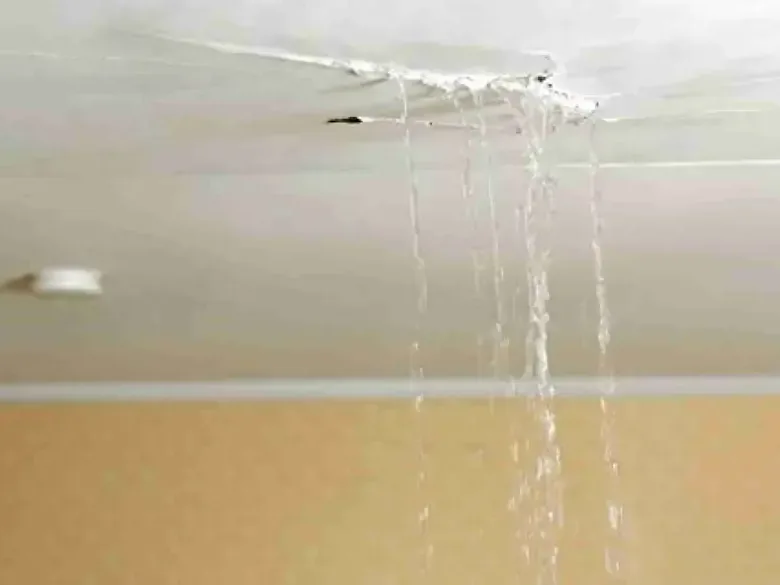
Dripping overhead can involve the room above as well as the room below. A useful assessment brings source access, ceiling stability and hidden moisture into the same repair conversation from the start.
(888) 629-3140Discuss the dripping ceiling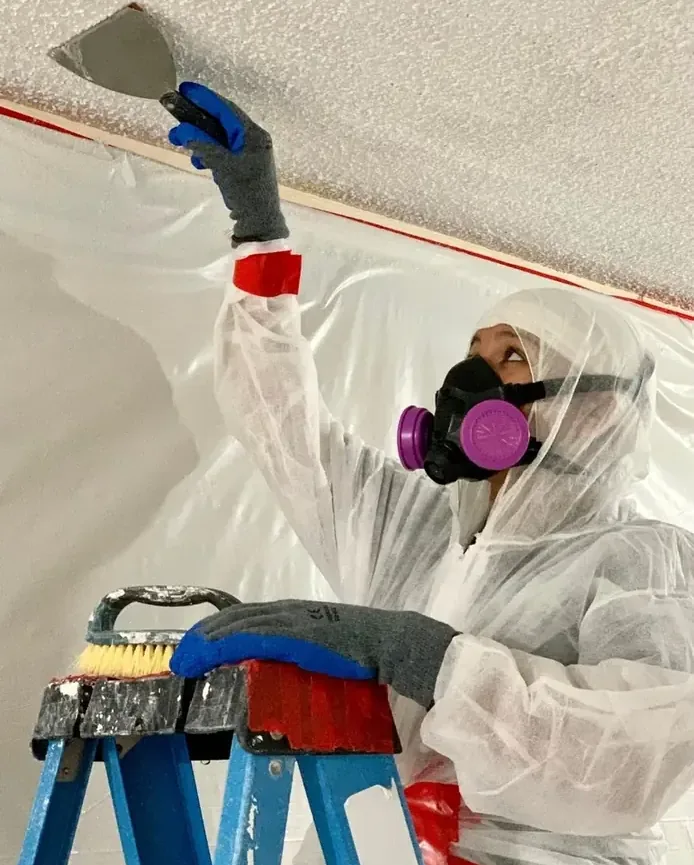
A ceiling leak creates an access problem before it creates a decorating problem. The visible drip may be in one occupied room while the source sits behind a fixture or floor above. Southern East Cambridge has several large apartment buildings, and the Charles River waterfront includes apartments and hotels. In those settings, the owner or manager needs to coordinate inspection across the affected spaces so the ceiling below is not repaired around a continuing release.
How ceiling leak water damage is handled
Coordinate source access
The inspection identifies who controls the space above and how entry will be arranged. Source repair information is linked to the lower room so both sides of the loss receive attention.
Assess ceiling and cavity condition
Visible damage, stability concerns and moisture measurements define the inspection boundary. Selective openings reveal insulation, framing and hidden water paths where the surface alone cannot explain the full extent.
Dry retained overhead material
Damaged finishes and unsuitable layers are addressed before the drying setup is finalized. Equipment reaches the exposed assembly, with monitoring at relevant points rather than relying on reduced dripping or a lighter stain.
Prepare a coordinated closure record
The closing assessment combines source status, material condition and unfinished ceiling repairs. Occupants and the property contact can then schedule replacement finishes around the completed drying work and any remaining access needs.
Protect the room under the leak
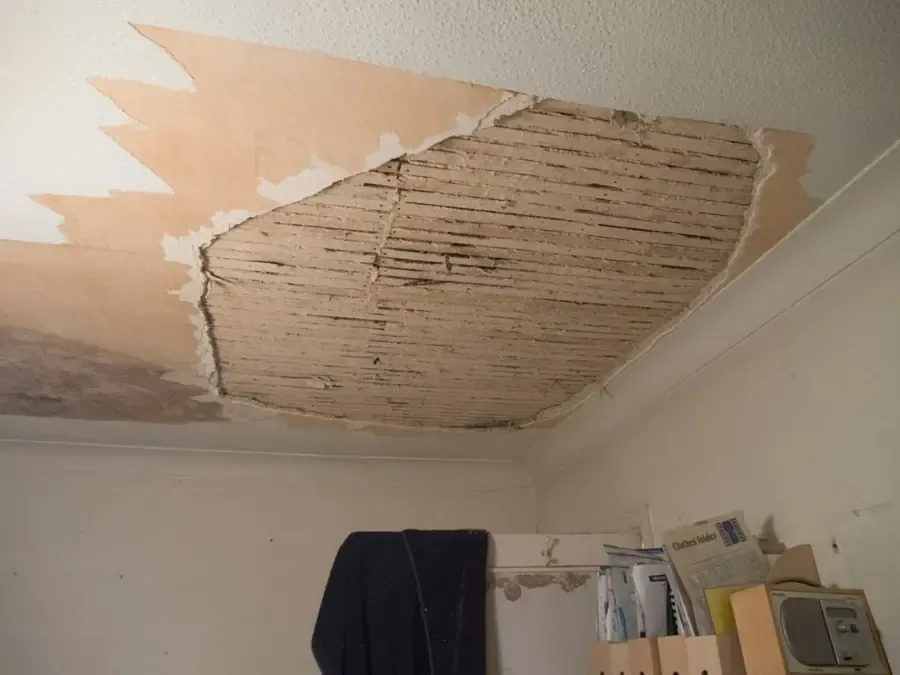
Sagging, cracking or bulging finishes need careful assessment. Water can collect above a ceiling surface and add weight even when the drip appears small. Keep the area beneath unstable material clear and identify nearby lights or other electrical fittings during the initial report. The cleanup route should account for debris from necessary access work as well as any water already reaching furniture or flooring.
- Describe whether the leak appears after fixture use, during rain or without a clear pattern.
- Notify the property manager when access to another occupied space is needed for tracing.
- Photograph ceiling changes from a safe location without touching or puncturing softened material.
- Check adjacent walls for staining that extends beyond the center of the overhead patch.
- Keep wet furniture and floor damage in the assessment so the source repair and ceiling work do not leave secondary losses outside the cleanup scope.
In and around Kendall Square, a ceiling may separate different uses within the same building. Room access, work hours and protection of nearby contents should be agreed before openings are made.
Water still spreading?
A ceiling drip involves the space above, the cavity and the room below. Explain where it appears and who can arrange access so the assessment can connect source control with safe material removal and drying.
(888) 629-3140Assess the overhead water pathOpen only with a purpose
An access opening can reveal the source route, release trapped water or expose material that needs drying. Its purpose should be clear in the scope. A plumbing repair may require a different opening from the one needed to remove unsound ceiling finishes. Once exposed, insulation, framing and the underside of the upper floor each need evaluation according to their condition.
If the source is a failed pipe, burst pipe cleanup helps frame the wider release. When rain is entering overhead, roof leak restoration connects the interior loss with exterior repair. The ceiling assessment brings those source findings back to the material immediately above the occupied room.
- Identify the planned opening and the reason it is needed before repair work begins.
- Document water marks inside the cavity as well as those visible from below.
- Include floor protection and debris handling in the access arrangement for occupied rooms.
Keep the work area safe
The response team checks electricity, unstable surfaces and water contamination before opening wet materials. Household members keep children and pets away from affected rooms. A qualified electrician handles wet circuits. The cleanup crew sets containment when dirty water or debris could reach occupied space, then establishes a safe route for equipment and removed material.
Wait for the assembly before finishing the surface
A ceiling patch can look ready while concealed material above it remains wet. Drying needs access and monitoring that fit the assembly. The work record should state which materials were retained, which were removed and what condition they reached before closure. Paint and replacement board belong after that assessment, together with confirmation that the source has been addressed.
Keep occupants informed about the handoff
The person using the lower room may not control the source repair above. A shared written summary helps both sides understand the remaining steps. It should cover the repaired source, completed drying and outstanding finishes, while identifying any restrictions that remain around equipment or openings. This prevents a reduced drip from being mistaken for a fully resolved ceiling loss.
First decisions for ceiling leak water damage
Keep the overhead area clear
Avoid using the space beneath swollen or sagging finishes. Report nearby electrical fittings and any change in ceiling shape so the assessment can address access concerns before cleanup begins below the leak.
Notify the responsible building contact
An owner or manager can arrange entry to the space above and communicate with affected occupants. Provide room names and observed timing rather than assuming the visible ceiling mark identifies the source.
Protect reachable dry belongings
Move unaffected items away only when the approach is safe. Photograph wet contents and flooring before handling them, and preserve a clear work route for ceiling assessment and any necessary removal.
Describe the pattern of dripping
Explain whether the leak changes with fixture use or rainfall. These observations help prioritize source tracing while measurements and direct inspection establish the actual wet area inside the overhead assembly.
What does ceiling leak water damage cost in Cambridge, MA?
Cambridge ceiling leak cleanup ranges reflect cavity access, wet insulation and the number of connected overhead areas. The estimate should identify protection, removal and drying tasks. Plumbing or roof repairs and final decoration may require separate arrangements.
Small overhead leak
$900 to $1,800
- Localized ceiling assessment
- Limited access opening
- Focused surface protection
Wet cavity and insulation
$1,800 to $3,000
- Layer assessment
- Selective finish removal
- Exposed framing drying
Connected ceiling areas
$3,000 to $4,500+
- Broader overhead inspection
- Multiple room protection
- Extended repair coordination
Category of water, square footage, material class and drying delay shape the scope. water damage cost calculator gives an estimate only.
Ceiling leak water damage across Cambridge
Ceiling leak assessments serve Cambridge apartments, houses and occupied buildings around Kendall Square and the waterfront. Include the affected level, visible ceiling changes and the person coordinating access to rooms above when requesting assessment.
The same service nearby: ceiling leak water damage in Belmont, Somerville, Arlington.
Related water damage services in Cambridge
Ceiling Leak Water Damage questions in Cambridge, MA
Should a bubble in the ceiling be punctured?
An occupant should avoid touching or puncturing a swollen ceiling. The material may be unstable, and hidden electrical components add concern. Keep the area beneath it clear and report the change so appropriate assessment can determine how trapped water and damaged finishes should be handled.
Who arranges entry when the leak starts upstairs?
The property owner or manager generally coordinates access between occupied spaces. The cleanup assessment needs the source findings as well as the condition below. Clear communication helps prevent a ceiling patch from being scheduled before the upstairs fixture, pipe or other source has been addressed.
Can a stain remain after the ceiling has dried?
Discoloration and moisture are different conditions. A stain may remain after drying, while an unstained adjacent layer can still be damp. Measurements and inspection determine repair timing. Decorative work should follow an assessment of the retained assembly alongside the condition of the ceiling surface.
Why does the floor need inspection too?
Dripping water can damage flooring, furniture and wall bases below the original ceiling loss. These secondary areas may remain wet after the overhead source stops. Including them in the initial scope helps connect extraction and floor drying with the ceiling access and material repairs already being planned.
Does an access opening always mean major replacement?
The extent depends on stability, material damage, contamination and the space needed to reach wet layers. Some openings are localized, while connected cavities may require broader access. The assessor should explain the purpose of each opening and document the retained materials before planning replacement finishes.
What should the manager receive after drying?
A useful handoff identifies the source repair status, the overhead materials assessed, completed drying observations and unfinished room repairs. It should also note any continuing access restrictions. That record allows the manager to coordinate the occupants and finish trades without relying on the absence of visible dripping.
Discuss ceiling access needs
A shared plan helps occupants and the property contact understand which repairs remain before the room returns to use.
(888) 629-3140Assess the wet ceiling