Burst Pipe Water Damage in Cambridge
A spraying pipe can send water through several building layers before the valve closes. Once the supply is controlled, inspection needs to follow the full route through walls, ceilings and floors.
(888) 629-3140Discuss the burst pipe damage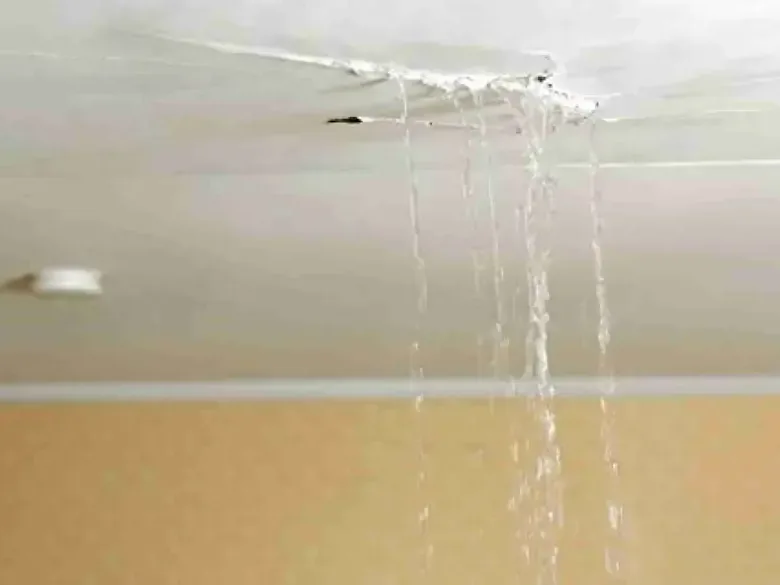
A closed valve changes the emergency, but it does not remove water already absorbed by the building. Cambridge Water Department guidance calls for reporting uncontrolled basement pipe leaks when the shutoff cannot stop them. Once the release is controlled, the interior inspection follows every affected level. A pipe in a wall can wet the room beside it, the floor below it and a ceiling farther along the same concealed route.
How burst pipe water damage is handled
Confirm source control
The assessment establishes whether the failed supply is isolated and how the repair will proceed. Continuing flow and residual drainage are distinguished so water removal does not conceal an unresolved source problem.
Trace the release through layers
Inspection moves outward and downward from the damaged pipe, checking rooms, cavities and transitions. Readings establish where water has traveled rather than limiting the scope to the original spray pattern.
Recover water and open access
Accessible liquid is removed, and damaged or obstructing finishes are evaluated. Selective openings allow wet assemblies to be reached while retained materials receive drying appropriate to their condition and construction.
Monitor before closing the loss
Equipment is adjusted as measurements change across the affected spaces. The repair handoff identifies completed drying, remaining openings and rebuilding tasks so source repair and interior restoration remain clearly connected.
Separate supply repair from the wet building
The plumber needs access to the failed pipe and a safe way to restore service. The restoration assessment needs access to wet material beyond that opening. These areas may overlap without being identical. A small repair hole can leave saturated insulation, wallboard or flooring concealed nearby. The cleanup scope should make those separate responsibilities visible before the pipe opening is closed.
- Record which valve was used and whether water continued to arrive after it closed.
- Inspect ceilings beneath the release without standing under bulging or visibly unstable material.
- Trace water at wall bases where a cavity empties onto adjoining floor coverings.
- Check cabinets and closets that may hide migration away from the original pipe location.
- Preserve photographs of the damaged component and the surrounding room when safe, since source repairs can change the scene before interior restoration begins.
The assessment should distinguish newly arriving water from liquid draining out of an already wet cavity. That distinction helps coordinate the repair sequence and avoid overlooking a continuing release.
Water still spreading?
The pipe repair is only part of resolving a sudden release. Describe the failed supply, the shutoff result and the rooms below or beside it so inspection can follow water into the materials that now need removal or drying.
(888) 629-3140Assess rooms after the burstAdapt inspection to occupied spaces
Southern East Cambridge contains large apartment buildings, and the Charles River waterfront includes hotels and apartments. A release in those settings can require access to more than the room where the pipe failed. Owners or managers need to coordinate entry, explain service interruptions and identify rooms below the source. Around Lechmere Square, the same care applies when occupied business space adjoins the wet area.
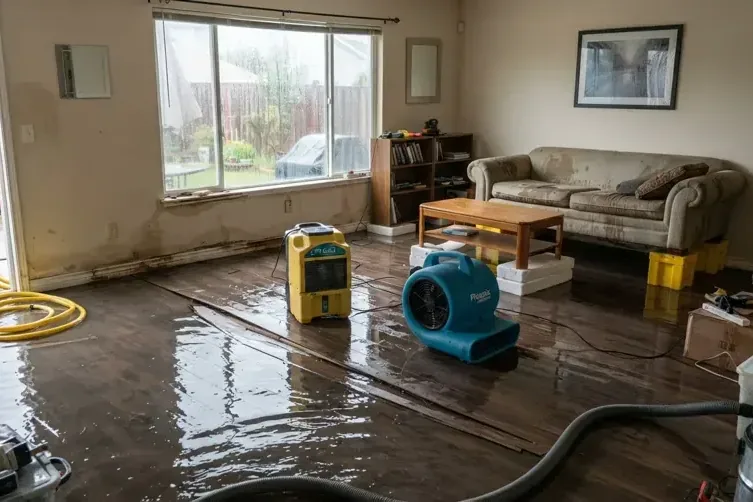
Water extraction removes recoverable liquid from floors and suitable finishes. Ceiling leak assessment addresses overhead materials when water has passed between levels. Neither stage should rely solely on visible staining; measurements help locate absorbed water that has spread beyond the obvious path.
- Keep common access routes available wherever the building layout allows safe separation.
- Identify furniture or stored goods that prevent inspection of the full wet perimeter.
- Explain which rooms need monitoring even when they contain no visible standing water.
Keep the work area safe
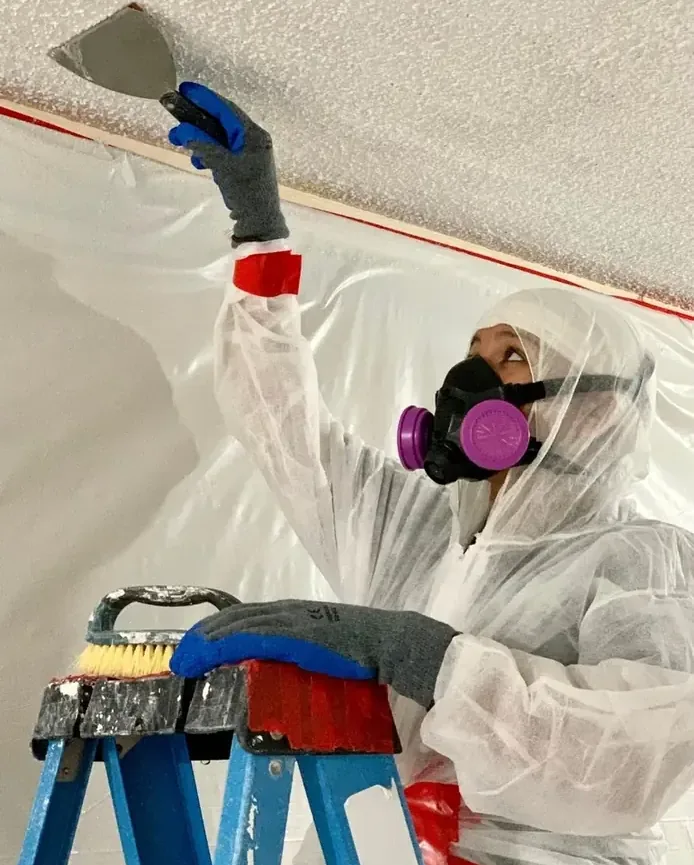
The response team checks electricity, unstable surfaces and water contamination before opening wet materials. Household members keep children and pets away from affected rooms. A qualified electrician handles wet circuits. The cleanup crew sets containment when dirty water or debris could reach occupied space, then establishes a safe route for equipment and removed material.
Close cavities after assessing the retained materials
Water pressure can spread a pipe loss quickly, while the materials it reaches may dry at different rates. A drying setup should account for insulation, framing and floor layers individually. Retained surfaces need measurable progress. Openings that provide useful airflow should remain part of the documented work plan until the affected assembly is ready for the next repair stage.
Keep the repair record connected
The final handoff should bring together the plumbing repair, the extraction area and the drying observations. If rebuilding remains, list the missing finishes and any other trade work required before enclosure. An owner can then understand why the pipe is working again while the room still needs attention, and can schedule repairs around the actual condition of the wet building materials.
First decisions for burst pipe water damage
Use a safe shutoff
A reachable valve may stop the release when it can be operated without entering a hazardous area. If basement pipe water remains uncontrolled after shutoff, report that condition to the water department.
Avoid the overhead wet zone
Keep people out from beneath sagging ceilings and away from water near electrical fittings. A source above a room can leave heavy wet material unstable even after the visible dripping slows down.
Notify affected occupants
Tell the property owner or manager which rooms and levels appear wet. Shared buildings need coordinated access to trace the route, especially when the source lies inside a different occupied space.
Document the sequence of events
Record discovery, isolation attempts and the plumbing findings. Safe photographs of the pipe and wet finishes help connect the repair to the wider loss before extraction or selective removal changes the scene.
What does burst pipe water damage cost in Cambridge, MA?
Cambridge burst pipe restoration costs change with the release path, not just the pipe opening. Planning ranges reflect isolated rooms, connected walls and floors, or several affected levels. Plumbing repair and replacement finishes need clear treatment in the estimate.
Quickly isolated room
$1,000 to $2,500
- Localized water removal
- Accessible finish checks
- Limited drying setup
Walls and adjoining floor
$2,500 to $4,500
- Cavity moisture assessment
- Connected flooring inspection
- Selective access work
Multiple levels
$4,500 to $6,500+
- Overhead material checks
- Separate room monitoring
- Expanded repair coordination
Category of water, square footage, material class and drying delay shape the scope. water damage cost calculator gives an estimate only.
Burst pipe water damage across Cambridge
Burst pipe assessments cover Cambridge homes and occupied properties around Lechmere Square and the Charles River waterfront. Explain the source level, affected rooms and management access arrangements when organizing inspection of the water's path.
The same service nearby: burst pipe water damage in Belmont, Somerville, Arlington.
Related water damage services in Cambridge
Burst Pipe Water Damage questions in Cambridge, MA
What if water continues after the valve closes?
The valve may not control the affected supply, may not have fully isolated it, or water may be draining from wet cavities. Report continuing uncontrolled basement pipe leakage to the water department as its guidance directs. The assessment must establish the actual cause before treating the release as stopped.
Does the plumber's opening provide enough drying access?
Sometimes it helps, but a pipe repair opening may be smaller than the wet area. Water can spread along framing or into adjoining floor layers. Restoration measurements determine whether additional access is needed and which finishes can remain while those materials are dried and monitored.
Why inspect the room below a pipe failure?
Water follows gravity and concealed paths through a building. A release above can wet ceiling materials below even when the source room has little pooling. Inspection of lower spaces helps identify unstable finishes, affected electrical areas and retained moisture that would otherwise be hidden during repair.
Can the supply be restored before cleanup ends?
The plumbing professional determines when the repaired supply can return to use. Interior drying may continue afterward because absorbed water remains in the building. The two schedules should be coordinated so testing the repair does not interrupt safe access or conceal new water entering the affected area.
What should be moved out of a wet closet?
Dry contents obstructing inspection may be moved safely, while saturated items need individual assessment. Photograph their position first when possible. Avoid carrying wet boxes or textiles through clean rooms without a handling plan, and keep access to wall bases open for moisture checks and equipment placement.
When can wall repairs begin after the burst?
Repair work should follow source control and an assessment of the materials being enclosed. Moisture records, retained insulation decisions and any electrical work all matter. The handoff should identify the surfaces ready for reconstruction and distinguish them from areas that remain inaccessible or still require drying.
Discuss the supply release path
A coordinated scope connects plumbing findings, wet room access and the next decisions about concealed materials and repairs.
(888) 629-3140Assess the burst pipe loss