Ceiling Leak Water Damage in Waltham
A growing ceiling bubble changes the safest way to use a room. Overhead cleanup begins with controlled access and source tracing before anyone considers removing the stain or replacing the finish.
(888) 629-3140Assess the overhead water damage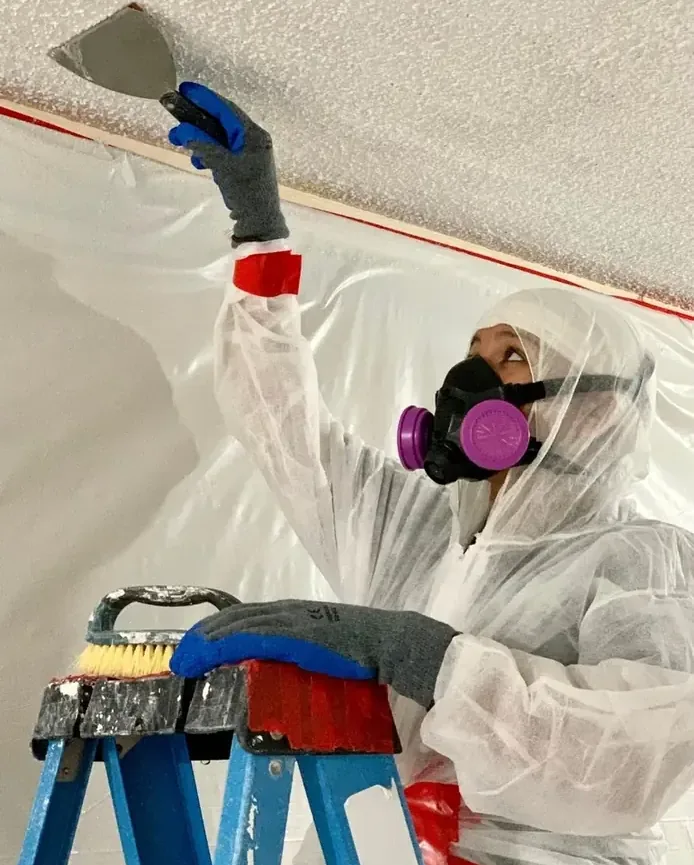
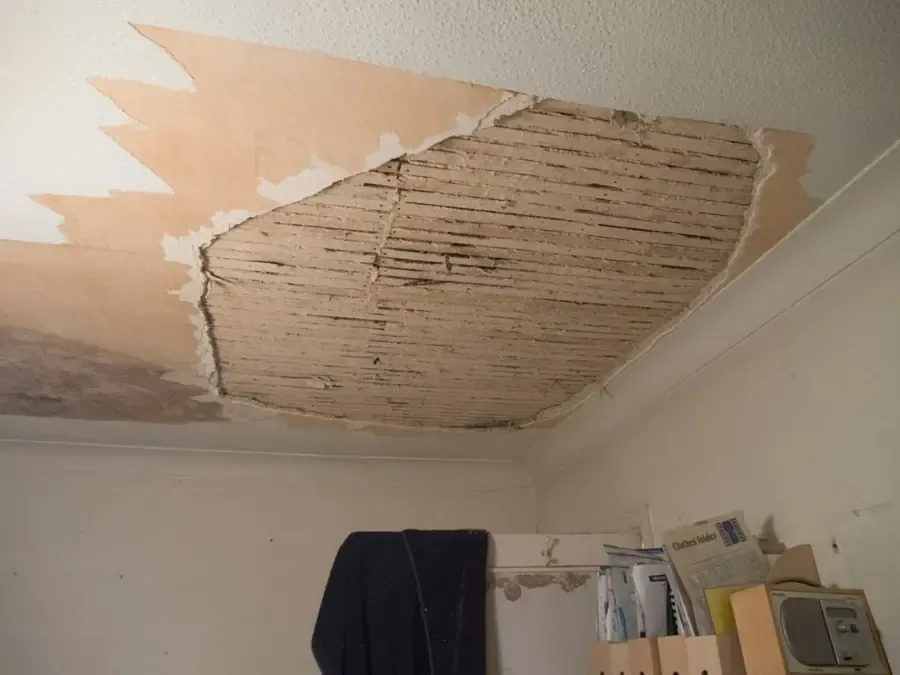
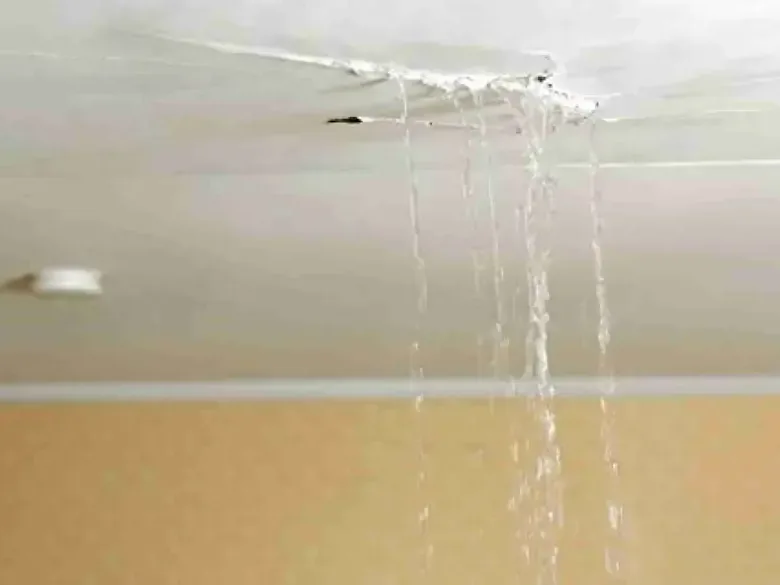
The most urgent part of a ceiling leak may be the material overhead rather than the drip on the floor. Bowing, separation or a spreading bubble can make the area underneath unsuitable for ordinary use. In Waltham, an interior assessment should first establish a safe room boundary, then determine what is supplying water above the finish. Pressing on a swollen surface or puncturing it can release water and weakened material without warning.
How ceiling leak water damage is handled
Establish the room boundary
The inspection considers overhead stability, electrical exposure and the route into the room. These conditions determine where occupants can remain and how furniture or contents should be protected before material access is attempted.
Trace moisture above the finish
Observations from the upper space are compared with the ceiling damage below. The assessor follows wet edges and identifies insulation, framing or adjoining surfaces that need inspection beyond the most visible stain.
Open and dry the affected cavity
Selective removal exposes materials that cannot be assessed or dried through the intact finish. Equipment placement then follows the available air path, and measurements track retained surfaces rather than relying on room appearance alone.
Describe the ceiling repair needs
The final work account lists removed finishes and insulation, source repair status and retained material readings. That information helps the repair contractor close the cavity and restore the ceiling with a clear understanding of the completed mitigation.
Use the room above to narrow the source
A bathroom, appliance or roof space above the damage gives the investigation a starting point. The assessor should ask when the mark changes and whether it follows fixture use or rainfall. The visible edge of a stain may not match the wet cavity boundary. Water can move across framing before it collects at a seam, a light opening or another weak point in the ceiling surface.
In Banks Square, Warrendale or The Chemistry, the actual building arrangement matters more than the neighborhood label. A shared upper floor may require coordination with another occupant or property manager. Access to that area should be arranged early so source investigation does not stop at the underside of the ceiling. The work record should identify which observations came from above and which were made inside the affected room.
- Keep a clear description of the first visible stain and any later change in its outline.
- Report water near ceiling lights or other electrical fittings without approaching or touching them.
- Identify the use of the space directly overhead and who can provide access to it.
- Keep the area below softened or separating material clear until its condition is assessed.
Water still spreading?
Overhead water damage needs a plan for the cavity and the room below. Describe the visible ceiling change and what lies above it so the assessment can address access, source tracing and retained materials.
(888) 629-3140Arrange Waltham ceiling assessmentOpening the finish should solve an access problem
Selective removal may be required to release access to soaked insulation or inspect the framing above. Before that work begins, the room needs an appropriate protection and handling plan. Furniture placement, the route for removed material and access to adjoining occupied space all affect the setup. The owner should receive a clear explanation of what will be opened and which parts of the ceiling are expected to remain.
A wet cavity may extend beyond the section that must be removed for stability. Readings and direct inspection can identify that additional spread. The drying arrangement then needs a path to the retained surfaces, rather than relying entirely on air movement below an intact ceiling. Adjacent wall tops and floor materials overhead may also belong in the assessment when water has moved between levels.
Keep the work area safe
The response team checks electricity, unstable surfaces and water contamination before opening wet materials. Household members keep children and pets away from affected rooms. A qualified electrician handles wet circuits. The cleanup crew sets containment when dirty water or debris could reach occupied space, then establishes a safe route for equipment and removed material.
Repair the assembly before restoring its appearance
If a supply break is responsible, burst pipe recovery connects source repair with the resulting interior loss. For retained framing and concealed damp layers, structural drying explains the measurement stage. Replacing a ceiling panel should follow a clear account of the source, removed materials and remaining cavity condition.
Questions to settle before closure
The owner can ask whether the source has been addressed, which insulation needs replacement and how the retained framing was checked. Those answers belong in the repair handoff. A neat patch is the visible result, but the condition above it determines whether the room is ready for that final finish.
First decisions for ceiling leak water damage
Move activity away from the ceiling
Keep furniture use and normal foot traffic out of the area beneath a bulge, loose finish or active overhead release. Avoid testing the surface by touch, and leave the decision about controlled opening to the assessment.
Treat nearby electrical fittings cautiously
Water around a light or other fitting needs professional attention. Do not operate or touch wet equipment, and describe its location from a dry position when arranging help with the room and its overhead cavity.
Identify access to the upper space
Tell the assessor what lies above the damage and who controls entry. A bathroom, occupied unit or attic may need a separate access arrangement so source tracing and interior recovery can proceed in a coordinated sequence.
Record how the mark changes
Photograph the ceiling safely without standing beneath weak material. Note any connection with rainfall or fixture use and whether water has reached adjoining walls, providing a useful timeline for the source and damage assessment.
What does ceiling leak water damage cost in Waltham, MA?
Ceiling leak cleanup in Waltham varies with stability, cavity access and the extent of wet insulation. Planning ranges increase when water reaches connected sections. The estimate should distinguish interior mitigation from source repair and final ceiling decoration.
Small overhead leak
$900 to $1,800
- Ceiling section
- Limited room protection
- Accessible source area
Wet cavity and insulation
$1,800 to $3,000
- Selective material opening
- Insulation handling needs
- Targeted cavity drying
Connected ceiling areas
$3,000 to $4,500+
- Broader overhead spread
- Several inspection points
- Expanded equipment placement
Category of water, square footage, material class and drying delay shape the scope. water damage cost calculator gives an estimate only.
Ceiling leak water damage across Waltham
Ceiling damage assessment serves properties around Piety Corner, Lakeview and other city neighborhoods. Explain the room above, visible sagging and access restrictions so planning accounts for both overhead inspection and the occupied space beneath it.
The same service nearby: ceiling leak water damage in Belmont, Arlington, Cambridge.
Related water damage services in Waltham
Ceiling Leak Water Damage questions in Waltham, MA
Should a bubble in the ceiling be punctured?
Leave that decision to the professional assessing the overhead material. A swollen surface may hold water and loose fragments, and an uncontrolled opening can create a hazard below. Keep occupants away from the area and describe the size, location and any changes without touching the damaged finish.
Can a plumbing leak show up far from the fixture?
Yes. Water can follow framing or other concealed surfaces before reaching a visible ceiling seam. The assessment should compare the room above with the wet pattern below. This helps define the actual cavity damage instead of assuming the stain sits directly beneath the source of the release.
Will all of the ceiling need replacement?
The extent should follow stability, material condition and access needs. Some sections may require removal while others can be retained and dried. The proposed scope should identify each area and explain whether the opening is needed for safety, inspection, insulation removal or effective drying of the assembly.
What if the upper room belongs to another occupant?
The property owner or manager should coordinate access with the person responsible for that space. Source investigation often needs observations from above as well as below. The cleanup plan should identify any access dependency so interior repairs do not proceed while the source remains unexamined or active.
Can fans in the room dry a closed ceiling cavity?
Room airflow may have limited contact with materials above an intact finish. The drying plan should explain how air and dehumidification reach the wet assembly and where measurements will be taken. Selective access may be needed when insulation or enclosed surfaces prevent an effective drying path.
What information should the ceiling repair contractor receive?
Provide the source repair details, locations of removed material and the drying observations for retained components. The handoff should also identify insulation or adjoining wall areas requiring replacement. That record helps the contractor restore the full assembly rather than treat the work as a simple stain covering job.
Discuss the overhead wet area
Keep occupants away from bulging finishes and wet electrical fittings until assessed.
(888) 629-3140Assess safe ceiling access