Burst Pipe Water Damage in Waltham
A broken pipe can send water behind the wall before a puddle appears. Isolating the supply is only the beginning; cleanup must trace where the released water traveled through the building.
(888) 629-3140Discuss water from a broken pipe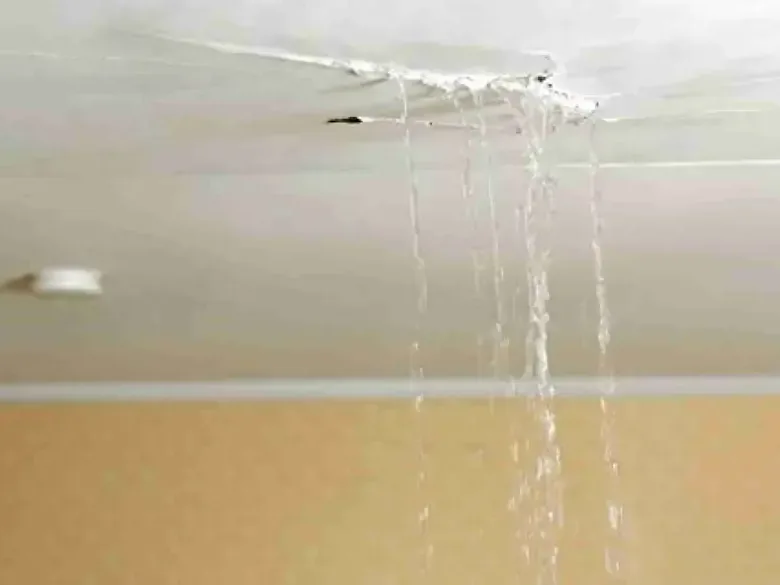
The loud part of a pipe break may end when the supply is isolated, yet water can continue draining from a cavity afterward. A Waltham cleanup assessment should account for that delayed movement. The break location, the room below and the path between them all matter. A plumber's repair stops the source; the damage inspection determines which wall materials, insulation, floor coverings and contents received water before that repair was completed.
How burst pipe water damage is handled
Follow the release through the building
Inspection starts at the reported break and works through adjoining cavities and lower surfaces. Moisture readings help establish the affected footprint, including rooms whose finishes do not yet show a clear stain.
Recover accessible water and contents
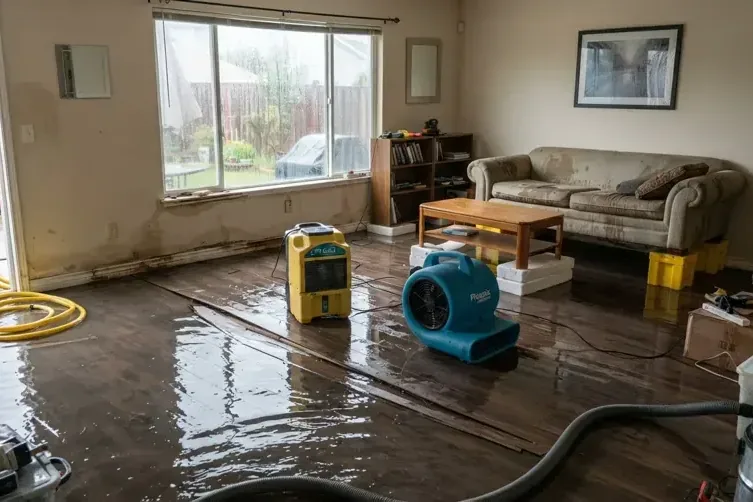
Extraction reduces the pooled volume, while contents are protected or moved according to condition and access. The work plan identifies possessions that obstruct inspection and those requiring separate handling because water reached their lower surfaces.
Open and dry selected assemblies
Wet insulation or concealed layers may require selective removal. Equipment is arranged around retained materials, and the scope explains why each opening is useful rather than assuming the plumbing repair hole provides sufficient drying access.
Prepare a complete repair handoff
Follow up readings and material notes describe the condition after drying. The owner can use that record to coordinate insulation, wall closure and finish replacement alongside the plumber's account of the completed supply repair.
Distinguish building damage from municipal supply work
October 22, 2026: the city announced a water main shutdown near Main Street and Grant Street. That notice concerned scheduled utility work. The Water & Sewer Division maintains municipal water mains, while a broken pipe inside a property needs its own investigation and repair coordination. An owner describing an indoor loss should report the observed release and affected rooms rather than infer its cause from a nearby notice.
In Warrendale, as elsewhere in the city, the building's actual layout determines how a leak spreads. A supply break above a partition can send water sideways before it reaches the floor. The first puddle may therefore mark an exit point rather than the full boundary of damage. The inspection should compare visible clues with readings around nearby trim, ceiling edges and connected floor areas.
- Identify the repaired or isolated pipe location for the person assessing the wet materials.
- Check the level below when water escaped above a ceiling or inside an upper wall.
- Record soaked insulation and finishes that prevent direct access to the cavity behind them.
- Protect dry contents before opening materials that may still hold trapped water overhead.
Water still spreading?
A repaired pipe can leave a complicated trail of wet materials behind it. Describe the break, the rooms below and the plumbing work already completed so cleanup planning can follow the entire release through the property.
(888) 629-3140Arrange Waltham pipe damage cleanupUse selective access to reveal the water path
A small hole around a pipe repair can leave most of a wet cavity concealed. Further access may be necessary when insulation holds water or the bottom of a wall cannot dry effectively. The proposed opening should be explained in relation to the material and readings. Owners should know which sections are being retained, which require removal and what repair work will remain after the drying stage.
Finished floors also need attention where water has crossed a threshold. Carpet backing, wood edges and cabinet bases can remain wet after extraction. The cleanup scope should include those interfaces and document any contents moved from their original positions. That record helps distinguish direct water contact from items protected during the work and supports later discussions about replacement or refinishing.
Keep the work area safe
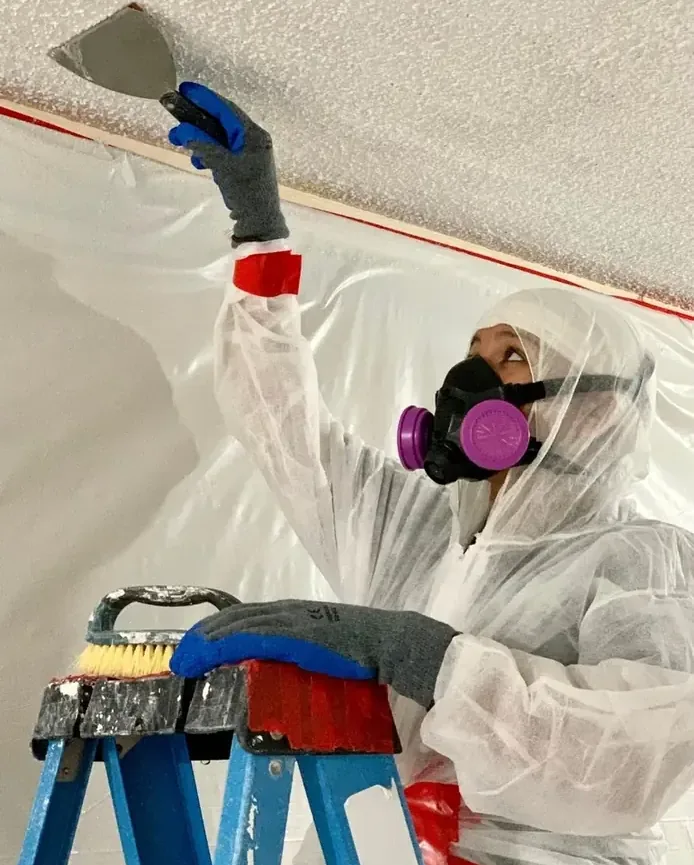
The response team checks electricity, unstable surfaces and water contamination before opening wet materials. Household members keep children and pets away from affected rooms. A qualified electrician handles wet circuits. The cleanup crew sets containment when dirty water or debris could reach occupied space, then establishes a safe route for equipment and removed material.
Keep repair and drying decisions in sequence
Water extraction handles accessible pooling, while ceiling leak recovery addresses overhead materials when the break affected another level. Equipment then needs to reach the retained assemblies. Measurements, rather than the disappearance of a stain, show whether the drying arrangement is making useful progress.
Before closing the repair opening
The owner should receive a clear description of the pipe repair and a separate account of the materials recovered. Closing a wall should follow assessment of the remaining cavity moisture. Any damaged insulation, trim or floor layer requiring replacement belongs in the handoff so the finished repair covers the full affected area.
First decisions for burst pipe water damage
Isolate only through safe access
A known shutoff may stop the release if it can be reached without entering water or passing beneath unstable material. Leave electrical equipment and uncertain valves alone, and seek the appropriate professional help for those hazards.
Watch the room below
Keep people away from a bulging ceiling or active overhead drip. Water released into an upper cavity can keep moving after the pipe is isolated, so the lower room may need protection and assessment as well.
Share the repair information
Tell the cleanup assessor where the pipe failed, when the supply was stopped and whether a plumber has opened the wall. Those details help connect the visible damage with concealed areas that may still be wet.
Photograph affected belongings safely
Record furniture, floor coverings and wall damage before items are moved when it is safe to do so. Keep dry possessions out of the work route without carrying wet or heavy items through other rooms unnecessarily.
What does burst pipe water damage cost in Waltham, MA?
Waltham burst pipe cleanup ranges reflect the spread beyond the break. A quickly isolated room requires a different scope from water passing through several levels. Plumbing repair and reconstruction should be clearly distinguished from extraction and drying costs.
Quickly isolated room
$1,000 to $2,500
- Limited supply release
- Accessible floor water
- Focused material inspection
Walls and adjoining floor
$2,500 to $4,500
- Wet cavity access
- Connected floor drying
- Additional finish removal
Multiple levels
$4,500 to $6,500+
- Overhead water movement
- Several affected rooms
- Coordinated equipment placement
Category of water, square footage, material class and drying delay shape the scope. water damage cost calculator gives an estimate only.
Burst pipe water damage across Waltham
Pipe break damage can be assessed in Lakeview, Ellison Park and other neighborhoods. Describe the break location, affected levels and any completed plumbing opening so the cleanup discussion begins with the route water took inside the property.
The same service nearby: burst pipe water damage in Belmont, Arlington, Cambridge.
Related water damage services in Waltham
Burst Pipe Water Damage questions in Waltham, MA
Why does water keep dripping after the supply is off?
Water already inside a ceiling or wall can continue draining through gaps after the active source stops. That residual movement needs inspection because insulation and finishes may remain saturated. Keep the area beneath unstable overhead material clear and report any change in the drip location or ceiling shape.
Does the plumbing repair opening provide enough drying access?
Sometimes it provides useful access, but its location was chosen for pipe work. Wet insulation or distant sections of the cavity may remain concealed. The damage assessment should explain whether another opening is needed and how the proposed access relates to measurements and the materials being retained.
Should all nearby rooms be included in the scope?
The scope should follow inspection results rather than assume every room is affected. Connected floors and the level below deserve attention where water could have traveled. Readings and visible observations help define which areas need cleanup, which require monitoring and which can remain outside the work boundary.
Can the water be treated as clean because it came from a pipe?
The source is an important starting detail, but contact with building materials and the conditions after release also matter. Report how the water traveled and when it was discovered. The cleanup assessment uses those conditions to decide how surfaces and contents should be handled during recovery.
What if the break happened inside a cabinet?
The cabinet base, rear panel and flooring underneath need attention along with the visible interior. Water may escape through joints into the adjoining wall or floor. The inspector should explain any selective access required and identify retained components that need moisture tracking before the cabinet is repaired.
When can the ceiling or wall be closed?
Source repair should be complete, and the remaining assembly should be assessed for moisture before closure. The handoff should list removed insulation, damaged finishes and any other replacement needs. A closed surface can hide unresolved dampness, so the repair sequence needs to include the drying record.
Assess the path of water
Keep the room beneath unstable ceiling material unoccupied while the affected assemblies are assessed.
(888) 629-3140Discuss connected rooms and cavities