Water Extraction and Removal in Waltham
A puddle that crosses a doorway can leave several materials wet. Extraction starts with safe access, identifies the water source and removes accessible water before the hidden edges are checked.
(888) 629-3140Assess the standing water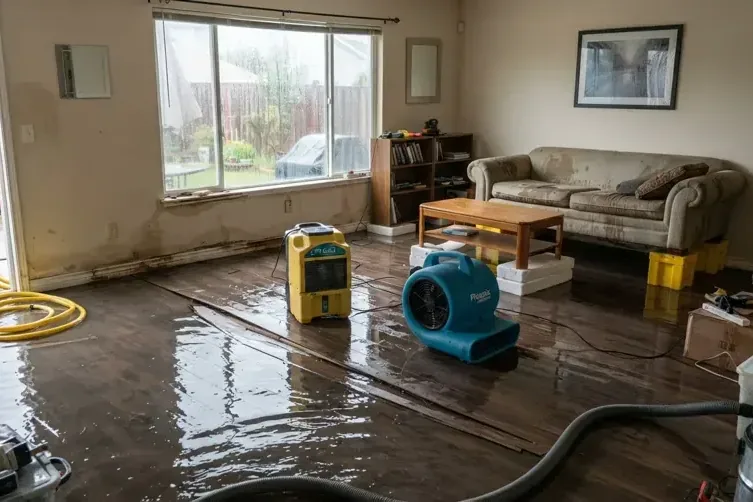
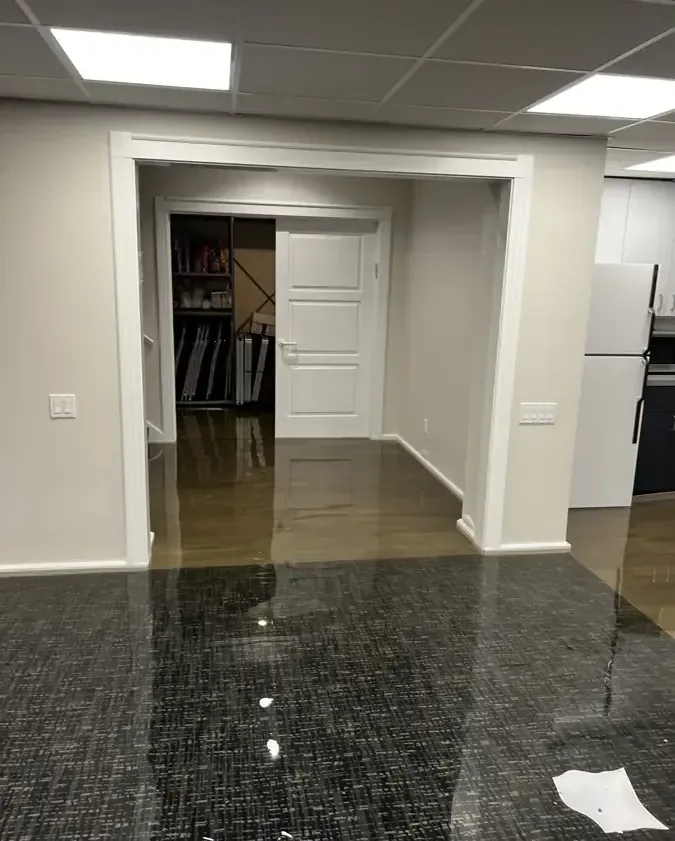
Water against a cabinet toe kick may have arrived from somewhere else entirely. Before an extraction hose enters a Waltham property, the assessment should establish what released the water, whether it is still flowing and which areas can be reached safely. A doorway can hide the transition from a wet hard floor to soaked carpet. The cleanup boundary follows that movement, including the underside of furniture and the edges of built in finishes.
How water extraction and removal is handled
Map the wet footprint
The inspection identifies connected rooms, the apparent source and surfaces that need attention. Moisture checks around the visible boundary help locate damp edges that a quick visual assessment could miss.
Choose removal equipment
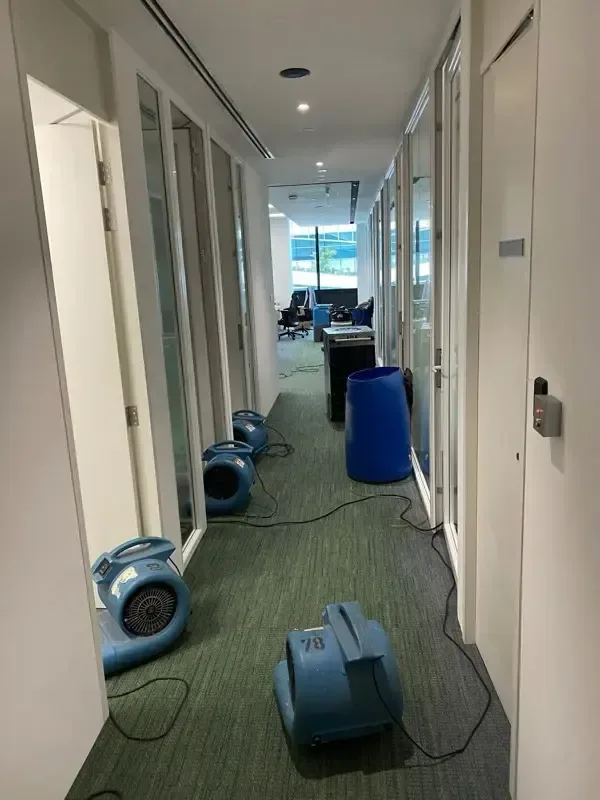
The accessible volume, floor finish and water condition shape the extraction method. The setup also considers power safety and a practical route for hoses without blocking the agreed path through unaffected space.
Assess exposed materials
Once the pooled water is gone, carpet backing, thresholds and wall bases can be inspected more closely. Material decisions are recorded so the drying scope reflects what remains in the room.
Transfer to monitored drying
Retained assemblies receive a drying plan with follow up measurements. The owner receives an explanation of equipment placement, access needs and any finish repairs that depend on the next moisture assessment.
Separate a supply spill from outdoor entry
The Charles River flows through the city, and the Clean Stormwater Initiative addresses runoff pollution. Municipal stormwater information describes water carrying debris and dirt from roofs, lawns, driveways and roads. Outdoor water reaching a room therefore needs a different handling assessment from a recently discovered indoor supply spill. The source and the surfaces contacted help determine how contents and absorbent materials should be treated.
- Identify whether the active flow has stopped before placing equipment in the affected space.
- Check the route into the room for electrical exposure and unstable materials above the floor.
- Record where the puddle crosses thresholds, reaches cabinets or disappears under a floor covering.
- Keep contaminated belongings separated from dry possessions while the cleanup scope is being established.
A property near River Street still needs its own source assessment. Street location is useful for access arrangements; the condition inside the room determines the equipment and material decisions.
Water still spreading?
Standing water deserves a plan that follows it beyond the visible puddle. Describe the source, room layout and floor coverings so the initial discussion can focus on safe extraction and the damp materials left afterward.
(888) 629-3140Arrange Waltham water extractionExtract the volume, then inspect the perimeter
Pumps and extraction tools address different amounts of accessible water. Hard surfaces may reveal a moving edge clearly, while carpet can retain moisture beyond the visible dark patch. After removal, a technician can inspect seams, baseboards and transitions more closely. Where a floor is layered, readings should include the assembly beneath the finish when access allows, rather than treating the upper surface as the entire loss.
Occupied premises along Moody Street may also need a protected route around stock or furniture. The person responsible for the space can identify items that must remain accessible and areas that can be closed. An extraction plan should explain hose routing, contents movement and how remaining damp materials will be handled. Those arrangements reduce confusion when several rooms share the same entrance.
- Separate items that can be lifted safely from furniture requiring planned handling.
- Inspect the wall base where water may have entered a concealed cavity.
- Record remaining moisture before equipment is moved into its drying position.
Keep the work area safe
The response team checks electricity, unstable surfaces and water contamination before opening wet materials. Household members keep children and pets away from affected rooms. A qualified electrician handles wet circuits. The cleanup crew sets containment when dirty water or debris could reach occupied space, then establishes a safe route for equipment and removed material.
Make the handoff to drying explicit
Water removal changes the room quickly, but retained materials can still hold moisture. Structural drying addresses that remaining load with equipment selected for the affected assemblies. If the lowest level remains wet, basement water removal explains additional access considerations. The written scope should distinguish extracted water, removed materials and the surfaces being monitored.
What the owner should receive
A useful record identifies the source description, rooms reached and conditions found after extraction. It should also note the next inspection or drying decision. That information makes it easier to understand why a clean looking floor may still need equipment and why replacement finishes should wait for an assessment of the layers underneath.
First decisions for water extraction and removal
Observe from a dry position
Keep out of standing water when outlets, cords or appliances may be affected. Describe the visible depth and movement from a secure doorway, and restrict access for children, pets and other occupants.
Identify ongoing water entry
If a known shutoff is safely reachable, stopping the supply may limit further spread. Leave uncertain valves and electrical isolation to the appropriate professional, especially when the route requires crossing a wet floor.
Save a record before movement
Take photographs of the puddle boundary and affected contents from safe ground. Note the discovery time and any changes in water level so the assessment can distinguish active entry from water already accumulated.
Keep an equipment route available
Clear dry clutter from the entrance without moving contaminated possessions through occupied rooms. Explain stairs, locked doors and shared access during the initial discussion so removal equipment can be positioned around the actual layout.
What does water extraction and removal cost in Waltham, MA?
Water extraction in Waltham is priced around accessible volume, connected rooms and the surfaces holding moisture. These planning ranges describe different removal scopes; concealed wet materials or contamination can add tasks that need a separate explanation.
One accessible room
$500 to $1,200
- Open floor access
- Limited water spread
- Simple hose route
Several connected rooms
$1,200 to $2,800
- Multiple wet thresholds
- Mixed floor finishes
- Expanded extraction area
Complex removal
$2,800 to $4,500+
- Restricted equipment access
- Concealed wet edges
- Detailed material handling
Category of water, square footage, material class and drying delay shape the scope. water damage cost calculator gives an estimate only.
Water extraction and removal across Waltham
Extraction planning covers Cedarwood, Banks Square and other city neighborhoods. Describe the affected floor and access route when requesting service, including any shared doorway or business space that must remain usable during the work.
The same service nearby: water extraction and removal in Belmont, Arlington, Cambridge.
Water Extraction and Removal questions in Waltham, MA
Does every puddle need a pump?
No. The available depth and volume determine whether pumping or surface extraction is appropriate. Carpet and layered floors may need different tools from a bare hard floor. The assessment should explain the removal method and what will be inspected after the visible water has gone.
Can household towels finish the cleanup?
Towels may collect a small accessible spill, but they cannot show whether water has reached concealed floor layers or a wall base. A persistent damp edge, soaked carpet or water crossing several rooms calls for a broader moisture assessment before the room is considered recovered.
What if the water came in from outside?
Report that source before anyone handles the contents. Runoff can carry dirt and other pollutants, so the cleanup needs to consider contamination as well as moisture. The appropriate handling of porous materials may differ from a recently isolated supply leak inside the building.
Will furniture have to leave the room?
Some items may be protected or moved within the property, while others need more deliberate handling. Weight, material condition and contamination affect that decision. The scope should identify which items can stay, how their contact surfaces will be inspected and what movement is necessary for extraction.
Why does a wall need checking after floor extraction?
Water can enter the gap beneath a baseboard or soak upward into porous wall material. Removing a puddle does not reveal that hidden moisture. Perimeter readings help determine whether the wall needs drying access and prevent the cleanup boundary from stopping too early at the floor.
When is the extraction stage complete?
The accessible standing water has been removed and the remaining affected materials have been assessed for the next stage. Completion of extraction does not mean every layer is dry. The work record should make that distinction clear and identify any ongoing drying or replacement decisions.
Assess the wet floor
Keep occupants outside any electrically affected area while the next cleanup step is arranged.
(888) 629-3140Discuss removal and drying