Basement Water Removal in Waltham
The lowest room can collect water around utilities, storage and finished walls at once. Basement removal planning considers safe entry and the source before choosing how to recover the affected floor and contents.
(888) 629-3140Assess water in the lower level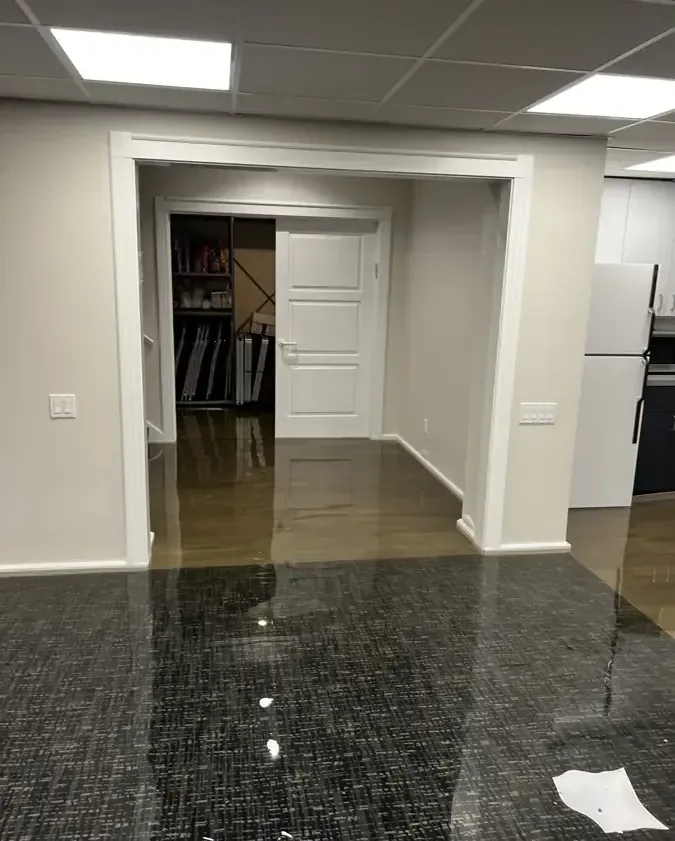
The basement stairs may offer a view of the water without offering a safe way into the room. Electrical equipment, hidden objects and wet steps can make entry hazardous. For a Waltham basement loss, the initial discussion should describe those conditions and the apparent source. The cleanup plan then accounts for the whole lower level, including storage, utility equipment and any finishes that continue beyond the visible edge of the water.
How basement water removal is handled
Establish safe access and the footprint
The inspection considers utilities, entry hazards and the reported source. Water boundaries and affected contents are recorded so removal can be organized around the entire basement rather than just the most visible pool.
Remove water and coordinate contents
The method reflects the volume, water condition and available route. Storage and furniture are handled according to their condition, preserving access to the perimeter and keeping affected items separate from dry occupied rooms upstairs.
Inspect lower walls and layered finishes
After extraction, readings and direct observations identify moisture in wall bases, partitions and floor coverings. The scope explains any selective removal needed to reach damp or contaminated layers before retained surfaces enter the drying stage.
Document readiness for repair and storage
Follow up checks assess retained materials and remaining work. The owner receives an account of removed finishes and contents decisions, helping coordinate repairs and storage return without concealing an unfinished part of recovery.
Identify the entry route before choosing the response
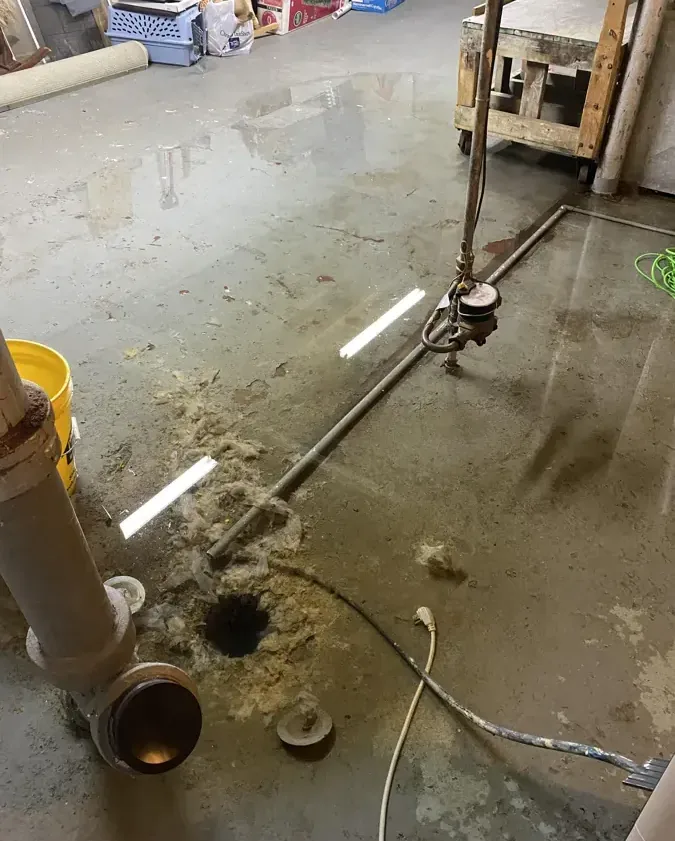
The Charles River flows through the city. Municipal stormwater information also describes runoff traveling from roofs and paved surfaces through drainage features. Inside a basement, water may instead come from a supply pipe, an appliance or a backed up drain. The assessor needs the observed entry point and water condition so removal and handling address the actual event rather than treating every lower level loss as identical.
The Water & Sewer Division maintains storm drain pipes and catch basins. That municipal work is separate from assessing the wet materials inside an individual building. A property in The Bleachery, Angleside or Banks Square needs its own inspection of entry, access and finishes. Photos from a safe upper landing can show the initial water pattern without requiring the owner to descend into an uncertain room.
- Report water around electrical panels, appliances or other utility equipment before planning entry.
- Identify the lowest visible wet surfaces and whether water continues arriving from an opening or fixture.
- Describe stored boxes, shelving and furniture that may obstruct the route needed for extraction.
- Keep occupied upper rooms separate from wet possessions until their handling has been assessed.
Water still spreading?
Water on the lower level can affect utilities, storage and finishes together. Describe the stairs, visible source and wet materials so the cleanup assessment can organize safe access and a complete route through the recovery work.
(888) 629-3140Arrange Waltham basement assessmentRecover the perimeter as well as the open floor
Water beneath a shelf or inside the bottom of a finished wall can remain after the central floor is cleared. The inspection should follow the perimeter and any partitions across the room. Carpet backing, wood trim and concealed floor layers need condition decisions that pumping alone cannot provide. Where the water is contaminated, cleaning and material removal may be required before retained surfaces are dried.
Contents handling deserves its own explanation. An owner may need access to stored records or essential equipment, but moving heavy wet items through the stairway can create additional hazards. The plan should identify which possessions can be protected in place, which require relocation and how removed materials leave the basement. That arrangement also preserves enough access for follow up measurements at walls and floor transitions.
Keep the work area safe
The response team checks electricity, unstable surfaces and water contamination before opening wet materials. Household members keep children and pets away from affected rooms. A qualified electrician handles wet circuits. The cleanup crew sets containment when dirty water or debris could reach occupied space, then establishes a safe route for equipment and removed material.
Keep the source and the retained materials in view
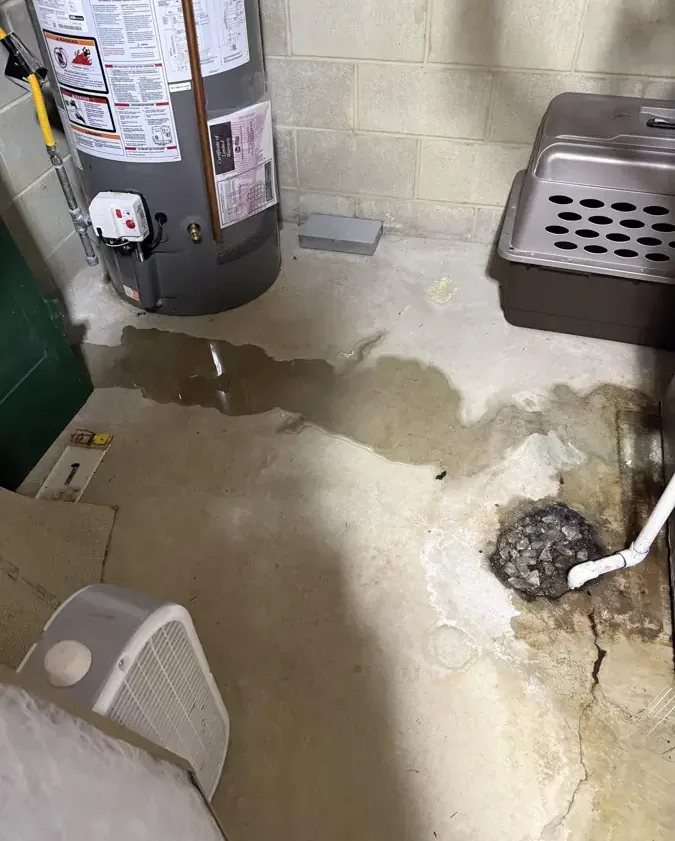
If wastewater entered through a drain, sewage backup cleanup addresses contamination decisions. Once accessible water is gone, structural drying follows retained damp assemblies. The written scope should connect those stages with any source repair needed to prevent continuing water entry during recovery.
Before returning storage to the floor
Assess the condition of retained finishes and the locations of any remaining drying checks. Putting boxes back against a damp wall can hide a problem that still needs attention. The final account should identify recovered surfaces, removed materials and repairs that remain, giving the owner a practical basis for reorganizing the lower level.
First decisions for basement water removal
Assess from the upper approach
Stay out of water near utilities or uncertain footing. Describe the stairs, depth and equipment location from a safe position, and prevent other occupants from descending until the entry conditions have been assessed.
Report the observed source
Mention water from a drain, pipe, appliance or exterior opening, along with whether it is still entering. Avoid drawing conclusions from the neighborhood alone; the visible route and water condition are more useful for planning the initial response.
Identify contents without moving heavy items
List wet storage, furniture and essential equipment that may need attention. Photographs from safe ground can preserve the original arrangement while the assessor plans handling, rather than having saturated possessions carried through the occupied part of the property.
Keep the stair route available
Move dry clutter near the approach when it can be done safely. Explain narrow doors, shared access and any utility restrictions so the removal route can be planned around both equipment needs and the actual conditions below.
What does basement water removal cost in Waltham, MA?
Basement removal ranges in Waltham reflect access, finish type and water condition. An open unfinished floor differs from furnished lower rooms. The estimate should identify contents handling, material removal and drying tasks within the proposed scope.
Unfinished accessible area
$1,000 to $2,500
- Open lower floor
- Limited finish contact
- Direct removal route
Finished lower room
$2,500 to $4,800
- Wet perimeter finishes
- Contents handling needs
- Layered surface inspection
Extensive or dirty-water loss
$4,800 to $7,500+
- Broad material contact
- Controlled removal planning
- Expanded cleaning scope
Category of water, square footage, material class and drying delay shape the scope. water damage cost calculator gives an estimate only.
Basement water removal across Waltham
Basement cleanup discussions include properties in Warrendale, The South Side and surrounding areas. Describe the stairs, utilities and stored contents along with the source, allowing the assessment to plan entry and recovery for the actual lower level.
The same service nearby: basement water removal in Belmont, Arlington, Cambridge.
Related water damage services in Waltham
Basement Water Removal questions in Waltham, MA
Is it safe to walk down the stairs to inspect the water?
Only assessed safe access should be used. Water near electrical equipment, hidden objects or slippery stairs can make descent hazardous. Describe the visible conditions from a secure upper position and keep occupants away from the lower level until the appropriate professionals have evaluated entry and utility concerns.
Does the river explain water in every basement?
The observed source at the property should determine the response. A pipe, appliance, drain or exterior opening can each supply water to a lower level. Reporting that route and the conditions when water appeared helps organize the appropriate source investigation alongside removal and interior material recovery.
Can storage stay on shelves during the work?
That depends on water contact, shelf condition and the access needed for inspection. Some items may remain protected while others require planned relocation. The scope should explain those choices and keep wall bases and floor edges accessible for checks rather than simply moving everything into another corner.
Why remove trim when the floor has already been pumped?
Water can remain behind trim and within the lower wall assembly. Selective access may be needed to inspect or dry those materials effectively. The assessor should relate any proposed removal to the observed damage and readings, with replacement needs recorded for the repair stage after drying.
What if the basement water contains sewage?
Keep access restricted and avoid moving contacted possessions through clean areas. Sewage changes the handling of finishes and contents, so the cleanup must address contamination as well as moisture. The assessment should identify controlled removal, cleaning and material decisions before retained surfaces are placed into drying.
When can boxes return to their usual places?
Storage should return after the relevant surfaces have been assessed and any needed access for drying or repairs is complete. The owner should assess remaining work with the cleanup contact first. Placing boxes against an unfinished damp wall can obstruct checks and hide a problem that still needs attention.
Assess the lower level damage
Keep the basement unoccupied where water, electrical equipment or uncertain footing make entry unsafe.
(888) 629-3140Discuss removal around storage and utilities