Water Heater Leak Cleanup in Waltham
Water beside a heater can slip beneath stored boxes before anyone notices the tank. Cleanup starts by coordinating safe equipment isolation and following the spill into the surrounding room and finishes.
(888) 629-3140Assess the heater water spread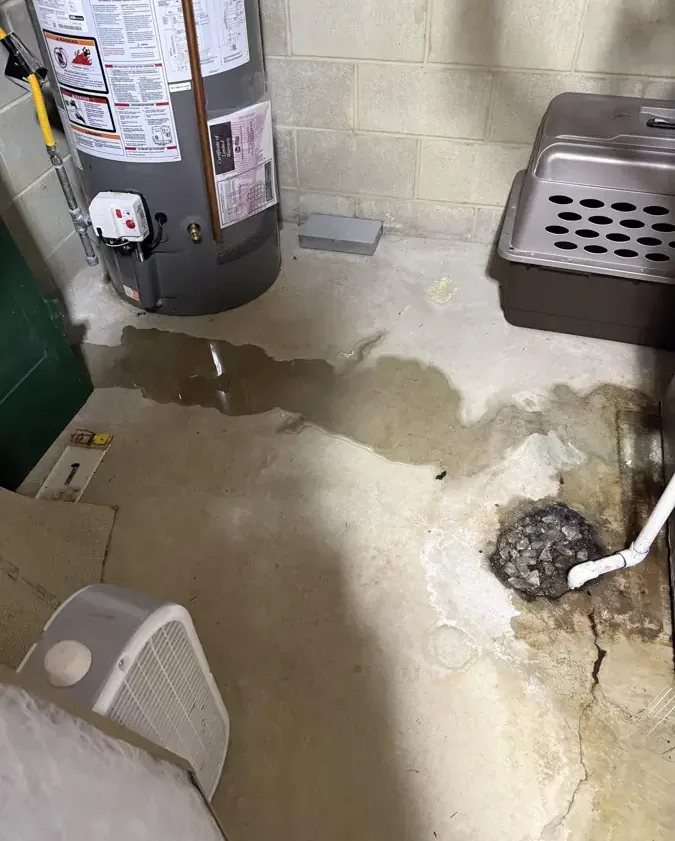
A puddle at the heater base can look contained until a box is lifted and reveals water underneath the entire storage row. At a Waltham property, cleanup should follow that hidden spread as carefully as the visible wet floor. The heater itself also needs safe attention from the appropriate professional. Water removal does not replace equipment isolation, and a newly installed tank does not recover the damp materials surrounding the old one.
How water heater leak cleanup is handled
Assess the source status
The assessor establishes whether the heater leak is active and how isolation or replacement is being handled. That information sets the sequence for water removal and prevents fresh leakage from interrupting recovery.
Inspect storage and spill boundaries
The wet footprint is traced around the appliance, beneath nearby possessions and toward adjoining rooms. Material observations help distinguish accessible floor water from moisture held in wall bases, shelves or floor coverings.
Extract and arrange targeted drying
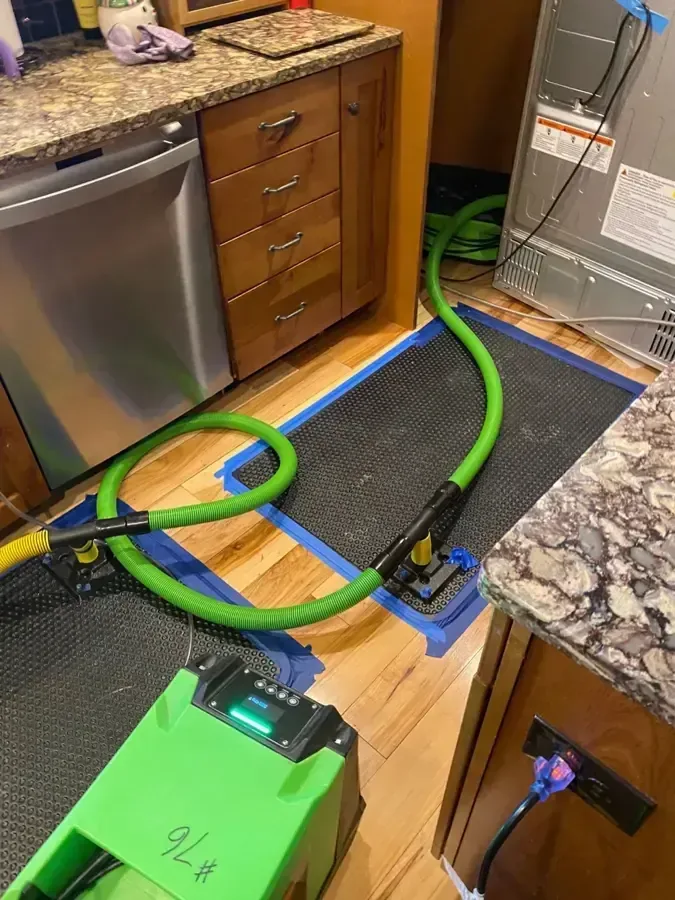
Accessible water is removed and selected materials are exposed as needed. Equipment placement respects the appliance work route while providing a drying path to retained surfaces that the spill reached before isolation.
Restore an understandable room layout
Follow up checks identify remaining damp materials and repair needs. The owner receives a record of affected storage and finish decisions before possessions return, so the completed appliance work does not hide unfinished interior recovery.
Organize the utility room before moving equipment
The inspection needs room to evaluate both the appliance area and the water's route away from it. Stored possessions, nearby electrical equipment and access to the heater can complicate that task. The owner should describe those conditions without reaching into wet equipment or attempting to move the tank. The plan can then coordinate plumbing work, contents handling and extraction in an order that suits the available space.
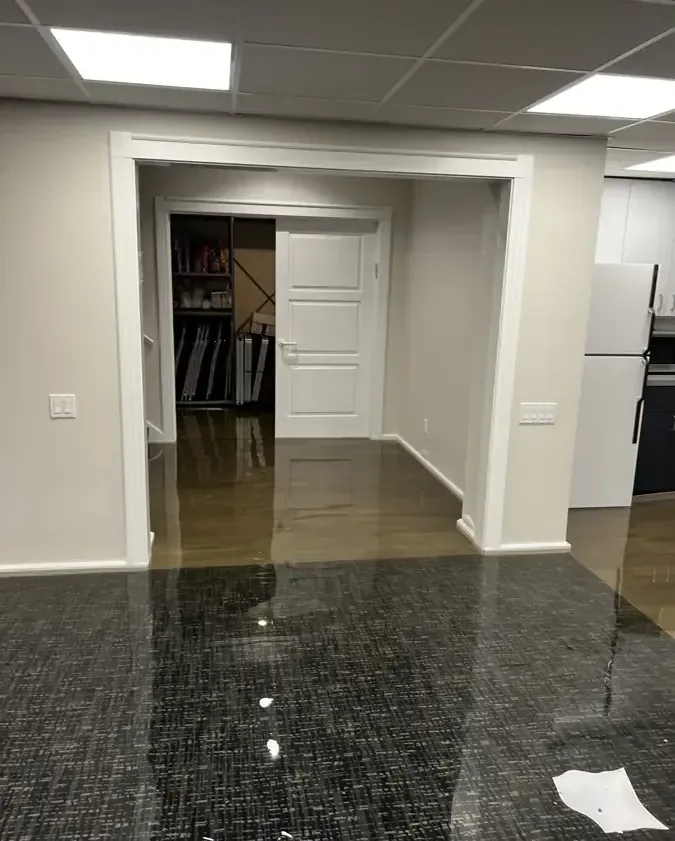
Cedarwood, Gardencrest and Roberts are city neighborhoods, but the utility arrangement must be checked inside each property. A heater may sit beside unfinished storage or near a finished room. The cleanup boundary follows the actual floor and partition openings. If water escaped through a doorway, the underside of the adjoining finish and the bottom of the wall may need assessment even after the utility floor has been wiped.
- Identify the visible origin of the water without touching wet controls or connections.
- Tell the assessor whether the heater has been isolated, repaired or scheduled for replacement.
- Leave heavy wet storage items for planned handling where moving them would block safe access.
- Check the reported spill route toward doorways, floor seams and nearby finished spaces.
Water still spreading?
The spill around a water heater may reach farther than the appliance footprint. Describe the utility room, nearby storage and any wet doorway so cleanup can be coordinated with the professional handling the heater itself and its replacement connections.
(888) 629-3140Arrange Waltham heater spill assessmentThe floor drain does not describe the entire loss
Water traveling toward a drain can still enter absorbent materials along the way. Cardboard, wood shelving feet, carpet edges and wall bases may hold moisture after most of the volume is gone. The assessment should identify which contents contacted water and which surfaces were protected. Owners can point out where items originally stood if they were moved before the visit, preserving a useful picture of the spill footprint.
When replacement work requires a clear path, cleanup and appliance handling need coordination. A new tank should not conceal an unassessed wet surface or obstruct a necessary drying opening. The scope can describe temporary contents relocation, extraction around the appliance position and the next material checks. That arrangement helps the plumbing professional complete the source work without the interior recovery losing access to affected layers.
Keep the work area safe
The response team checks electricity, unstable surfaces and water contamination before opening wet materials. Household members keep children and pets away from affected rooms. A qualified electrician handles wet circuits. The cleanup crew sets containment when dirty water or debris could reach occupied space, then establishes a safe route for equipment and removed material.
Finish the utility area and the adjoining room
Basement water removal may be relevant where the heater sits on a lower level. If the spill crossed into cabinets or other appliance spaces, appliance leak recovery explains additional finish considerations. The final drying plan should cover the entire route, including damp edges beneath items that remain in place.
Keep the two work scopes understandable
The owner should be able to identify what was done to the heater and what was done to the building. Separate descriptions of replacement plumbing, water extraction, material removal and drying prevent confusion about completion. Any remaining storage damage or finish repairs should be listed before the utility room returns to its normal arrangement.
First decisions for water heater leak cleanup
Leave wet equipment controls alone
Keep away from the heater controls when water is present. Arrange professional isolation and describe the visible leak without touching the appliance or stepping through the wet utility area to reach it.
Identify where the spill traveled
From a dry position, note water beneath storage, through a doorway or against finished walls. Mention any floor drain and whether water continues accumulating, giving the cleanup assessor a useful picture beyond the tank itself.
Coordinate access for replacement work
If a plumber is scheduled, share that timing and the appliance location with the cleanup contact. Heavy stored items and a narrow entrance may affect both tasks, so the route should be planned before equipment is moved.
Separate dry storage from affected items
Move only safely reachable dry possessions away from the work path. Leave soaked boxes and heavy furniture for assessment, and photograph their original positions when possible so the water contact pattern remains understandable during cleanup.
What does water heater leak cleanup cost in Waltham, MA?
Water heater cleanup planning in Waltham depends on the spill route and affected storage or finishes. The ranges below address interior damage recovery. Appliance repair, replacement and any related plumbing work should have a clearly separate description.
Accessible utility floor
$800 to $1,600
- Open appliance area
- Limited contents movement
- Localized surface extraction
Adjoining finished room
$1,600 to $2,800
- Wet doorway transition
- Affected wall bases
- Finished surface drying
Concealed extended spread
$2,800 to $4,000+
- Hidden floor moisture
- Expanded contents handling
- Restricted material access
Category of water, square footage, material class and drying delay shape the scope. water damage cost calculator gives an estimate only.
Water heater leak cleanup across Waltham
Heater spill cleanup can be discussed for properties in The South Side, Lakeview and other city areas. Describe appliance access, stored contents and any adjoining finished room so the interior scope fits the actual spill route.
The same service nearby: water heater leak cleanup in Belmont, Arlington, Cambridge.
Related water damage services in Waltham
Water Heater Leak Cleanup questions in Waltham, MA
Does a replacement heater mean the cleanup is finished?
Replacement addresses the appliance problem. Water that escaped before isolation may remain beneath storage, in flooring or at wall bases. The cleanup assessment should cover those materials separately and document any drying or repairs needed before the room returns to its usual storage and equipment arrangement.
Can the owner move the tank to expose the wet floor?
Leave appliance movement and disconnection to the appropriate professional. The cleanup plan can coordinate access beneath and around the heater with that work. Moving it without the right preparation can create additional hazards and make it harder to distinguish the original leak from damage caused during handling.
What if most water reached the floor drain?
The route to the drain can still include absorbent materials. Storage boxes, shelving supports and a doorway edge may have held water even after the surface cleared. An inspection should follow those contact points and check whether the drain path left concealed moisture in adjoining finishes.
Should wet boxes be unpacked immediately?
Only safe handling should proceed, and affected belongings may need their own assessment. Avoid carrying saturated boxes through dry rooms or blocking the appliance access route. Photograph important contents and their condition when safe, then discuss recovery, relocation or disposal with the person planning the cleanup.
Who decides when a new heater can be installed?
The plumbing professional handles the equipment installation requirements, while the cleanup assessor identifies wet materials needing access. Coordinating those tasks helps preserve the route for drying and avoids covering an unassessed surface. The work sequence should explain any dependency between the new appliance position and remaining cleanup.
Will nearby carpet need attention if it looks dry now?
Water can remain in backing or underlying layers after the top begins to feel dry. If the spill crossed the threshold, the carpet edge and adjoining floor should be checked. Retention and drying decisions should follow that assessment rather than rely only on the room's current appearance.
Assess wet storage and flooring
Keep the appliance access route clear from dry ground while isolation and interior recovery are planned.
(888) 629-3140Discuss the utility room cleanup