Appliance Leak Water Damage in Waltham
A dishwasher puddle may be only the visible edge of water beneath the cabinets. Appliance leak recovery examines the connection, cycle and surrounding finishes before deciding how to expose and dry them.
(888) 629-3140Inspect the appliance water path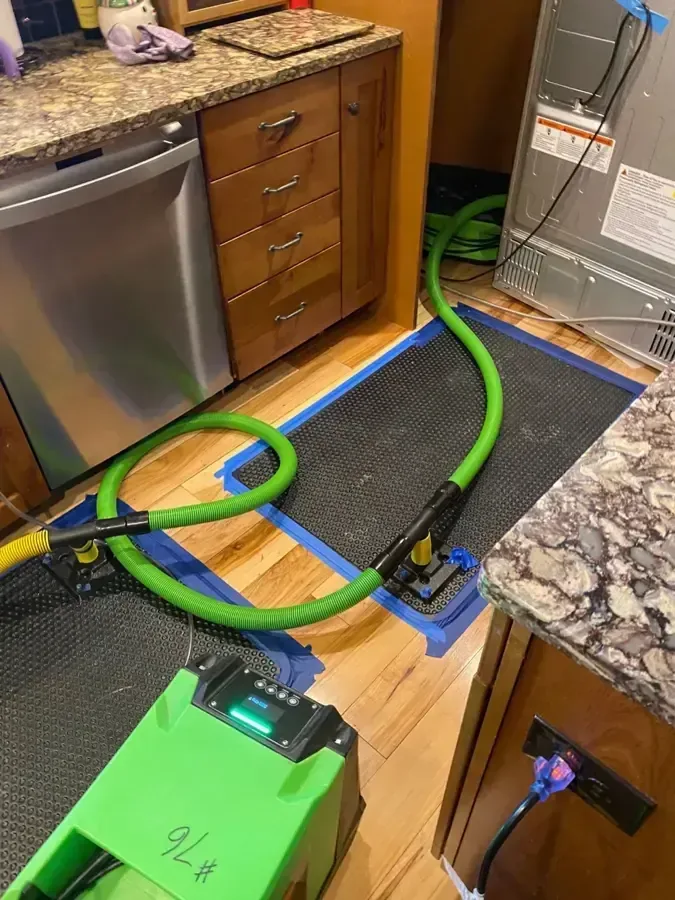
A dishwasher may stop running while water continues creeping beneath the adjacent cabinet. In a Waltham kitchen, the exposed floor is only part of the inspection area. Cabinet toe kicks, appliance recesses and the wall behind the unit can hide the rest of the release. The cleanup plan should establish whether the water came from the supply, the appliance itself or its discharge path, because that history affects the handling of wet materials.
How appliance leak water damage is handled
Assess the release history
The assessment combines the reported appliance cycle with the visible spill pattern. Supply and discharge observations help shape material handling, while the repair professional addresses the component or connection responsible for the leak.
Inspect the recess and surrounding finishes
Cabinet bases, wall edges and floor transitions are checked for concealed moisture. The assessor identifies access points that reveal useful information and explains where a finish must be opened to reach the affected layer.
Recover retained materials selectively
Water removal and drying are arranged around the assembly that can remain. Damaged or unsuitable components are identified separately, giving the owner a clear distinction between recovery work and the cabinet or flooring repairs still required.
Coordinate appliance reinstatement
The work record describes the condition behind and beneath the unit before it is concealed again. Remaining repair needs and drying observations are shared so appliance placement does not obstruct unfinished access or cover an unresolved wet area.
Use the appliance cycle as part of the description
The owner or manager can report whether leakage appeared during filling, operation or draining without running another cycle to reproduce it. A repair professional can investigate the unit and connections. Cleanup then addresses the room around it. Moving a heavy appliance should be coordinated so hoses, flooring and wet electrical connections are handled appropriately and the work does not create another spill.
Moody Street has shops and restaurants, and Main Street is another restaurant corridor. An appliance leak in occupied premises may involve stock, service areas and access needed by staff. The same practical questions apply in a household kitchen or laundry room: what contacted water, what can be moved safely and which finish conceals the area that needs inspection?
- Note the appliance activity when the leak was discovered and whether the unit was stopped.
- Identify water behind adjacent cabinets or at the wall base without reaching into wet connections.
- Keep nearby dry contents away from the route needed to inspect or remove the appliance.
- Explain any essential business use that depends on keeping a separate dry area available.
Water still spreading?
A small appliance puddle can conceal a wet cabinet base or floor layer. Describe the unit, the cycle and nearby finishes so the assessment can connect source repair with access to the materials around it.
(888) 629-3140Arrange Waltham appliance leak assessmentLook beneath the finish before choosing a drying method
Cabinet panels can swell and floor seams can admit water below an apparently small spill. The assessor should explain which surfaces can be checked in place and where selective access is needed. A removable trim piece may reveal the cabinet base, while a adhered floor layer can require a different approach. Material choices should follow the actual condition rather than assume every cabinet or board can be retained.
Retail activity also occurs around First Avenue. For a business there, cleanup might need an agreed work period and protected access to unaffected stock. The site manager should identify those constraints before extraction equipment or drying hoses occupy the room. Written access arrangements help coordinate the appliance technician's work with the separate task of reaching damp floor and wall layers.
Keep the work area safe
The response team checks electricity, unstable surfaces and water contamination before opening wet materials. Household members keep children and pets away from affected rooms. A qualified electrician handles wet circuits. The cleanup crew sets containment when dirty water or debris could reach occupied space, then establishes a safe route for equipment and removed material.
Choose the next service by the affected material
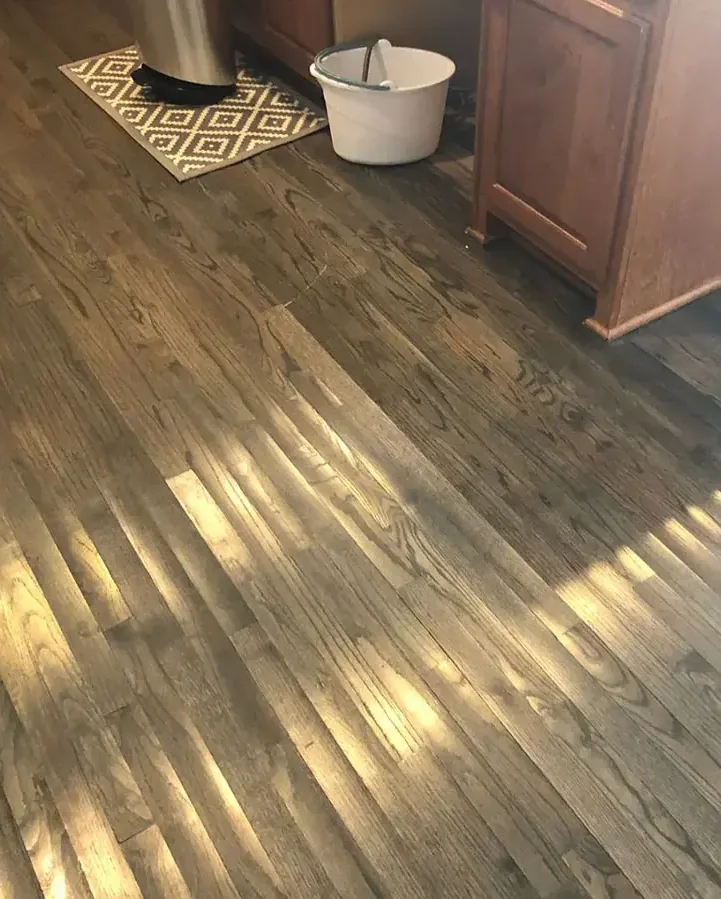
Where the spill reached wood boards, hardwood floor recovery considers the floor surface and supporting layers together. A wet wall behind a laundry unit may need structural drying. The appliance repair can be complete while those materials remain under assessment, so the closing record should make both statuses clear.
Reinstall only with a clear handoff
Before the unit returns to its normal position, the responsible contractors should know which surrounding surfaces were opened, retained or replaced. Readings and photographs can document the recess that will be concealed again. The owner should also receive an account of any cabinet, trim or flooring repairs that remain after cleanup.
First decisions for appliance leak water damage
Stop use without testing another cycle
Discontinue the appliance when the leak is discovered and arrange appropriate source repair. Do not run it again simply to show the problem; describe the cycle stage and visible water route to the repair and cleanup contacts.
Keep clear of wet connections
Avoid reaching behind the unit where electrical equipment or hoses may be wet. Appliance movement and isolation should be coordinated with the appropriate professional, particularly when the floor is slippery or the access space is confined.
Protect nearby dry contents
Clear safely reachable dry belongings from adjacent shelves or the equipment route. Leave swollen cabinets and soaked items for a handling decision, and note their original positions if movement is necessary before the assessment takes place.
Describe hidden access obstacles
Mention fixed cabinets, narrow doorways and finishes extending beneath the appliance. These details help the assessor plan a useful inspection while coordinating the repair technician's access and any essential household or business use of the room.
What does appliance leak water damage cost in Waltham, MA?
Appliance leak recovery in Waltham is shaped by the cabinetry and floor layers reached. A small accessible spill differs from water beneath fixed finishes. The estimate should separate appliance repair from extraction, material access and interior drying.
Accessible small spill
$700 to $1,500
- Appliance access
- Limited wet finish
- Direct extraction access
Cabinet and floor layers
$1,500 to $3,000
- Cabinet inspection
- Underfloor moisture checks
- Selective component removal
Concealed connected damage
$3,000 to $4,500+
- Hidden adjoining spread
- Fixed cabinet obstacles
- Broader repair coordination
Category of water, square footage, material class and drying delay shape the scope. water damage cost calculator gives an estimate only.
Appliance leak water damage across Waltham
Appliance leak damage can be assessed in Warrendale, The Chemistry and other city areas. Describe the appliance type, adjacent finishes and any business access needs so the cleanup plan reaches the concealed surfaces around the unit.
The same service nearby: appliance leak water damage in Belmont, Arlington, Cambridge.
Related water damage services in Waltham
Appliance Leak Water Damage questions in Waltham, MA
Does the stage of the appliance cycle matter?
It can help the repair professional investigate whether the release involved filling, operation or draining. It also gives the cleanup assessment useful context about the water. Report what was observed without running another cycle, and describe where the spill appeared around the unit and surrounding finishes.
Can a cabinet toe kick hide significant moisture?
Yes. Water can enter the space behind the trim and remain beneath the cabinet base. The visible kitchen floor may dry sooner than that concealed area. Inspection should determine whether removable trim or another selective opening provides access for checking and recovering the materials inside the cabinet footprint.
Should a dishwasher or washer be pulled out immediately?
Movement should be coordinated with safe disconnection and assessment of the wet area. Heavy appliances, wet electrical connections and damaged flooring can complicate access. The appropriate professional can arrange movement while the cleanup plan protects adjacent finishes and preserves useful access to the recess behind the appliance.
Can hardwood beside an appliance be dried without replacement?
Some affected flooring may be recoverable, but the decision depends on its condition, construction and moisture below the surface. The assessment should include supporting layers and any visible movement of the boards. A drying plan can then be considered alongside replacement needs for pieces that are already damaged.
What changes for a restaurant or shop appliance leak?
The manager may need to coordinate staff routes, stock protection and areas used by customers. Report those operational needs before equipment is installed. The material inspection still follows the actual water path, but access arrangements and the appliance repair schedule can be especially important in an occupied business.
What should be documented before the appliance goes back?
Record the condition of the floor, rear wall and cabinet surfaces that will become concealed. Include any removals, drying observations and outstanding repairs. That handoff helps the appliance technician and owner understand whether the unit can return to position without obstructing unfinished interior recovery work.
Assess moisture behind the appliance
Leave wet connections and heavy appliance movement for coordinated professional handling while the cleanup scope is prepared.
(888) 629-3140Discuss cabinets and floor layers