Hardwood Floor Water Damage in Waltham
Raised board edges tell only part of the story after a leak. Wood floor recovery examines the boards and supporting layers together before deciding what can dry in place and what needs repair.
(888) 629-3140Assess the wet wood flooring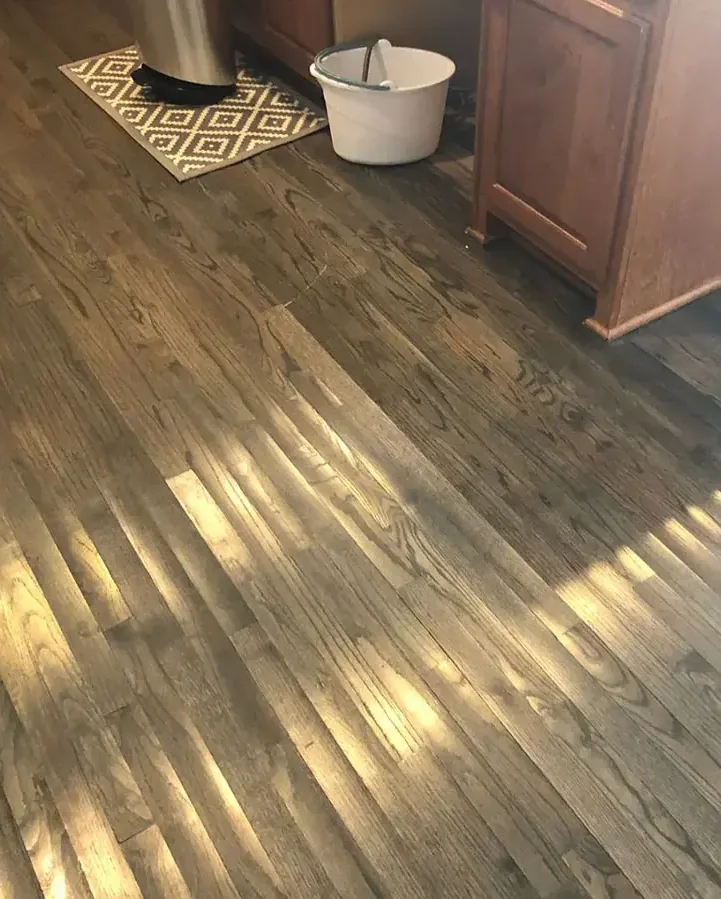
A wood floor can change shape after the visible spill has been wiped away. Raised edges, gaps or a lifted section may reflect moisture within the boards and beneath them. For a Waltham property with affected hardwood, recovery should assess that layered assembly before sanding or replacement begins. The goal is to understand which materials are wet, which remain structurally suitable and how drying can reach the parts intended to stay.
How hardwood floor water damage is handled
Record the floor's starting condition
The inspection documents board movement, finish damage and the known water path. Readings at affected and suitable comparison points help establish which parts of the floor assembly need further access or continued moisture monitoring.
Assess retention and access choices
The technician explains whether boards can remain for drying and where selective removal may be required. Supporting layers, cabinet edges and floor transitions are considered so the plan addresses trapped moisture beyond the visible surface.
Dry the selected assembly
Equipment is arranged for the materials intended to stay, with monitoring points identified in advance. Changes in readings and board condition are reviewed together, allowing adjustments where the setup is not reaching a concealed damp layer effectively.
Prepare the flooring repair decision
The final account separates recovered materials from damaged boards and finish work still required. The owner and flooring contractor receive the observations needed to coordinate replacement or refinishing with the condition of the retained assembly beneath it.
Begin with the water route and the board condition
The source and duration of contact help frame the inspection. A kitchen appliance leak may reach beneath fixed cabinets, while a supply release in an adjoining room can cross a threshold. The assessor should follow the observed path and take readings at useful points across the boards and accessible supporting layers. Visible movement needs to be recorded so later changes can be compared with the starting condition.
The Lyman Estate and Gore Place are local historic landmarks. At an affected property, the boards, finish and support layers receive their own inspection before a recovery method is selected. A room around Ellison Park may present a different assembly from another nearby building. The recovery plan should identify the installed floor layers, explain the available access and connect the proposed method with the condition of those materials.
- Photograph raised edges or lifted sections before furniture or rugs obscure the affected pattern.
- Record transitions into adjoining rooms where water may have traveled beneath a continuous finish.
- Inspect cabinet bases and wall edges that can conceal moisture beside the visible wood surface.
- Keep damaged sections protected from normal foot traffic while their stability is being assessed.
Water still spreading?
Changed board edges deserve an assessment of the floor beneath them. Describe the spill route, visible movement and connected rooms so recovery planning can distinguish drying access from the replacement or refinishing work that may follow.
(888) 629-3140Arrange Waltham wood floor assessmentChoose drying access that reaches the supporting layers
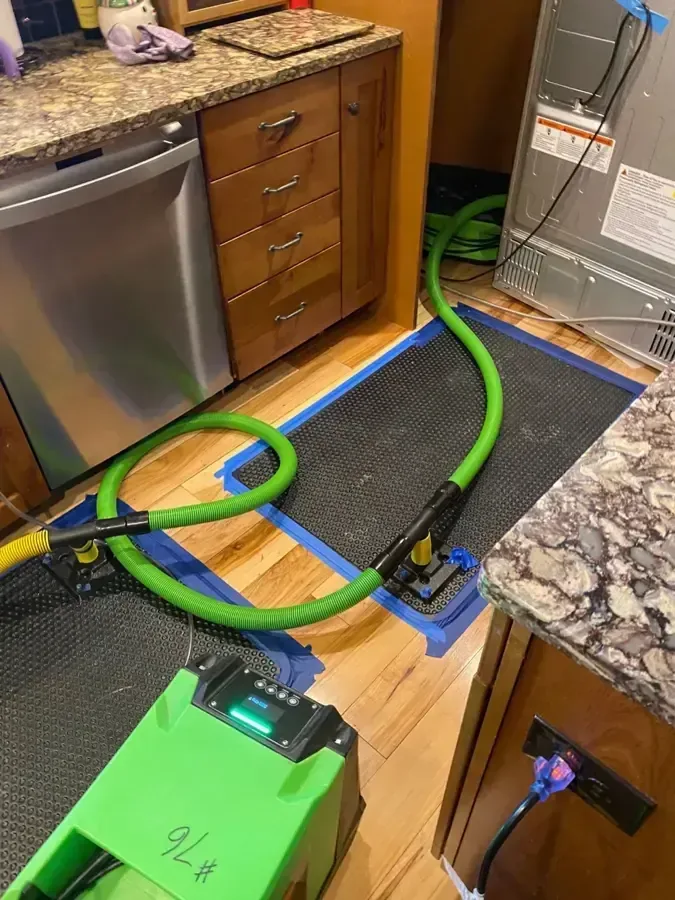
Surface air movement may not adequately reach water trapped beneath a floor covering. The assessment should explain whether the installed boards can remain during drying, whether selective removal is useful and what is known about the material below. Specialized floor drying equipment may be considered where the assembly and condition are suitable. Its purpose and monitoring points should be clear in the written scope.
Some boards may be too damaged for retention even when nearby flooring can be recovered. Separating those decisions prevents the project from becoming an all or nothing choice before the condition is understood. The owner should know which areas will be monitored, which are proposed for replacement and how any exposed edge will be protected while equipment remains in the room.
Keep the work area safe
The response team checks electricity, unstable surfaces and water contamination before opening wet materials. Household members keep children and pets away from affected rooms. A qualified electrician handles wet circuits. The cleanup crew sets containment when dirty water or debris could reach occupied space, then establishes a safe route for equipment and removed material.
Delay cosmetic correction until moisture is assessed
Appliance leak cleanup addresses water around the unit when a kitchen or laundry source is involved. Slab leak recovery may apply where concealed supply water affects a floor over concrete. The wood floor repair decision should follow both source correction and assessment of the layers beneath the finish.
Make the flooring contractor's handoff specific
Readings, photographs and removal notes help the flooring contractor understand the recovered assembly. The handoff should distinguish drying work from board replacement, sanding and refinishing. Before a new finish conceals the surface, the owner should have a clear account of retained moisture checks and any damaged components still requiring attention.
First decisions for hardwood floor water damage
Protect raised or loose boards
Keep occupants away from lifted sections that create a trip hazard. Avoid forcing boards flat or moving heavy furniture across them, and photograph the visible pattern safely before further handling.
Share the original spill route
Describe the source, rooms reached and any water removal already performed. Mention cabinets, rugs or furniture that stood on the affected area so the assessment can inspect concealed contact points as well as the exposed boards.
Hold off on cosmetic repairs
Leave sanding and refinishing decisions until the wood and supporting layers have been assessed. A surface correction made while moisture conditions are changing can complicate the later flooring repair and conceal information needed for the recovery plan.
Keep useful inspection points accessible
Move only safely handled dry items from the area and preserve access to thresholds and wall edges. Explain any rooms that share continuous flooring so the assessor can check the full affected route across adjoining spaces.
What does hardwood floor water damage cost in Waltham, MA?
Hardwood recovery in Waltham depends on the affected area, board condition and access to underlying moisture. These planning ranges describe mitigation complexity. Replacement boards, sanding and refinishing should be specified separately so the floor repair scope stays clear.
Limited accessible area
$1,200 to $2,400
- Defined board damage
- Direct inspection access
- Focused moisture tracking
Connected wood-floor rooms
$2,400 to $3,800
- Multiple wet transitions
- Broader equipment arrangement
- Adjoining layer checks
Concealed layered moisture
$3,800 to $5,500+
- Restricted underfloor access
- Selective removal decisions
- Detailed repair coordination
Category of water, square footage, material class and drying delay shape the scope. water damage cost calculator gives an estimate only.
Hardwood floor water damage across Waltham
Wood floor assessment can be discussed for affected properties in Warrendale, Banks Square and surrounding areas. Describe the flooring, visible movement and source of water so the recovery plan reflects the actual boards and layers beneath them.
The same service nearby: hardwood floor water damage in Belmont, Arlington, Cambridge.
Related water damage services in Waltham
Hardwood Floor Water Damage questions in Waltham, MA
Can every cupped board be saved by drying?
The outcome depends on the board condition, floor construction and moisture in the supporting layers. Some sections may be suitable for retention while others need replacement. The assessment should explain those distinctions and track both readings and visible movement before the flooring contractor decides on the final repair.
Why should sanding wait after a water leak?
The board shape can continue changing as moisture conditions change. Sanding before the assembly has been assessed may complicate later correction and hide useful evidence of the damage. The recovery plan should establish the retained material condition first, then coordinate sanding or refinishing with the flooring professional.
Does a dry top surface mean the subfloor is ready?
Water can remain beneath the boards or in another supporting layer after the visible face dries. Appropriate measurements and access help assess that condition. The drying scope should identify the assembly being checked and explain whether a concealed layer needs further inspection before the floor is repaired.
Can drying mats be used on any wood floor?
Their suitability depends on the floor construction, condition and access to the affected area. The technician should explain why a particular method is being proposed and what it is expected to reach. Monitoring remains important because equipment placement alone does not describe the moisture condition beneath the finish.
What if the wet flooring continues beneath kitchen cabinets?
The cabinet footprint can limit access to boards and underlying layers. Inspection should include the toe kick area and adjacent wall base where practical, with selective opening discussed if needed. The plan should explain how that concealed section will be assessed rather than stop at the visible kitchen walkway.
Which details should be passed to the flooring contractor?
Provide the source history, moisture observations, photos of board movement and locations of selective removal. The handoff should list any damaged boards or supporting materials requiring replacement. That information helps coordinate the final floor repair with the work already completed and the condition of the assembly being retained.
Assess boards and supporting layers
Keep lifted sections protected and postpone cosmetic correction until the retained assembly has been assessed.
(888) 629-3140Discuss the hardwood recovery options