Slab Leak Water Damage in Waltham
A recurring wet patch on concrete needs an explanation before new flooring covers it. Slab leak recovery coordinates source investigation with inspection of the floor layers that have absorbed water.
(888) 629-3140Discuss the damp slab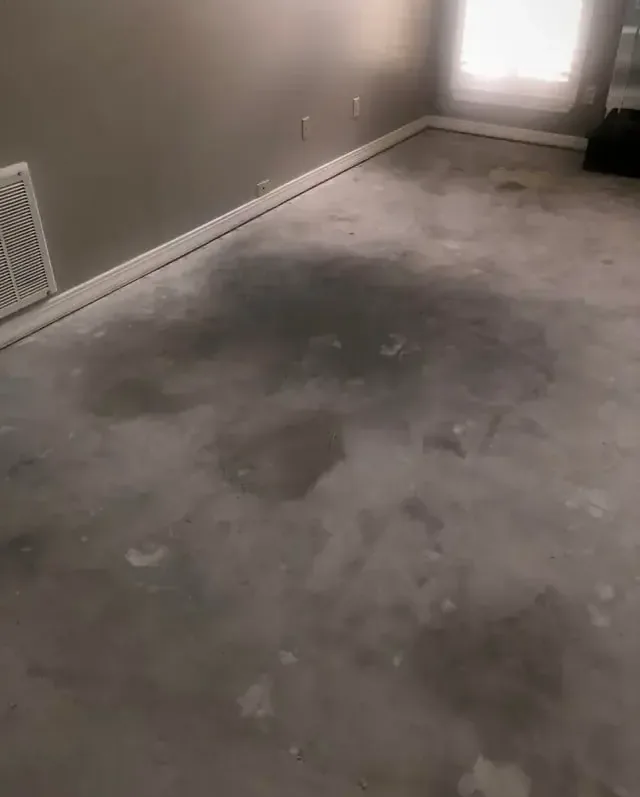
A rug may be the first item that reveals a problem beneath the floor: its underside stays wet even after the room has been wiped down. For a Waltham property with a slab, that observation calls for source investigation alongside damage assessment. A concealed plumbing leak and moisture entering by another route require different repairs. The recovery plan should establish where the water originates before committing to floor openings or replacing a damaged finish.
How slab leak water damage is handled
Establish a moisture pattern
Readings and visible observations outline the affected floor. The technician checks transitions and adjoining wall bases to see where the damage extends beyond the first damp patch or exposed concrete surface.
Coordinate selective opening
The access plan follows the source investigation and the construction found on site. Openings should provide a useful view of affected materials while leaving unaffected sections protected from avoidable damage during the work.
Dry retained floor layers
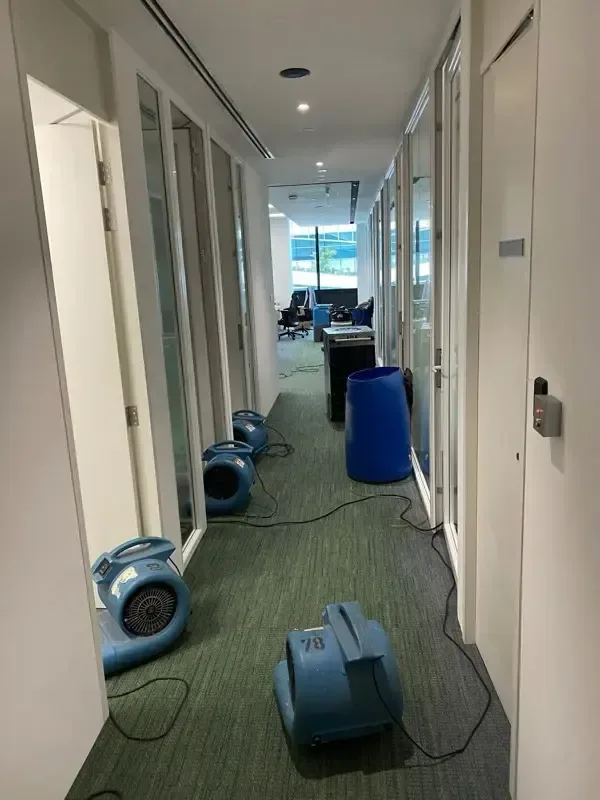
Water removal and dehumidification are arranged around the exposed assembly. Measurements track the concrete and other retained materials, with adjustments made when a covering or partition limits the available drying path.
Prepare for reinstatement
The closing assessment identifies materials suitable for retention and those requiring replacement. The owner can then coordinate the repair opening, underlayment and finished surface with the contractors responsible for completing the floor.
Let the leak location set the access plan
The Water & Sewer Division maintains municipal water mains. Investigation of a suspected leak within a property needs coordination with the professional handling that plumbing work. A building in Cedarwood needs inspection of its pipes and floor coverings before the contractor selects an opening location. Locating the affected supply and mapping the damp floor gives the work a practical starting boundary.
- Record the location and growth of the damp patch before moving rugs or stored belongings.
- Compare readings across the wet area and adjoining surfaces that appear dry to the eye.
- Identify cabinets, thresholds and partitions that prevent direct access to affected floor layers.
- Coordinate any proposed opening with the source investigation so unnecessary disturbance is avoided.
Owners can ask for separate descriptions of plumbing access and damage cleanup. This makes it easier to see which work stops the leak and which work recovers the surrounding materials.
Water still spreading?
A recurring damp patch deserves a source investigation and a floor recovery plan that fit together. Describe where moisture appears, the covering above it and any plumbing assessment already arranged so the next steps address the concealed problem.
(888) 629-3140Arrange a slab damage assessmentConcrete and the finish above it need attention
Removing water from the surface may expose damp adhesive, underlayment or the underside of a floor covering. Those materials influence whether selective lifting is useful and how equipment should be arranged. Where the wet area reaches a partition, the bottom of the wall also needs assessment. The scope can expand beyond the first stain when readings show water beneath an adjoining finish or inside the base of a cabinet.
For an occupied space around Banks Square, the owner may need a usable path between rooms while the floor remains open. Access protection and contents movement belong in the plan before removal begins. A property near Piety Corner may present a different layout altogether. The technician should explain the actual work area, retained floor sections and places requiring later measurements rather than treating the entire level as identical.
- Keep the route across exposed floor edges clearly separated from normal occupant movement.
- Assess porous backing and adhesives before deciding that a floor covering can remain.
- Track moisture near the repaired opening as well as beyond its visible edge.
Keep the work area safe
The response team checks electricity, unstable surfaces and water contamination before opening wet materials. Household members keep children and pets away from affected rooms. A qualified electrician handles wet circuits. The cleanup crew sets containment when dirty water or debris could reach occupied space, then establishes a safe route for equipment and removed material.
Close the floor only after the assembly is ready
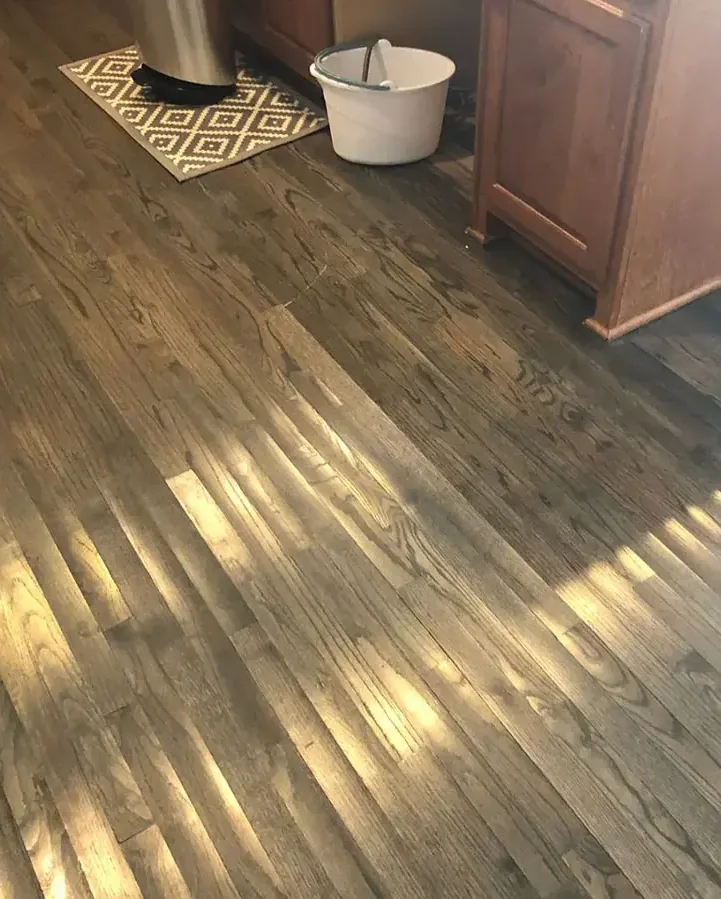
A completed plumbing repair is an important milestone, but retained materials may still need structural drying. Where boards cover the slab, hardwood floor water damage planning also considers the wood and its supporting layers. Replacement decisions should reflect the condition of those materials and the requirements of the intended finish.
Keep the repair record connected
Photographs of the opening, source repair details and drying measurements help explain what happened beneath a now concealed surface. The owner should retain them with the cleanup scope. Before the floor is covered, outstanding questions about remaining dampness or damaged underlayment should be resolved with the appropriate contractor.
First decisions for slab leak water damage
Note repeat dampness carefully
Record where moisture returns after the surface is wiped and whether nearby floor coverings feel wet underneath. Avoid peeling up adhered finishes before an assessment explains the likely source and useful access points.
Arrange source investigation
Describe the suspected concealed leak to the appropriate plumbing professional. Keep that investigation coordinated with cleanup so a floor opening, water isolation and interior drying can be planned in a practical order for the property.
Protect the exposed area
Keep occupants away from lifted flooring, loose edges and any damp electrical equipment. Move dry belongings from the proposed work route when safe, leaving heavy cabinets and uncertain wet materials for an assessed handling plan.
Request separate work descriptions
Ask the estimate to distinguish leak location, plumbing repair, material removal and drying. This makes changes easier to assess when an opening reveals more wet layers than the initial surface inspection could show.
What does slab leak water damage cost in Waltham, MA?
Slab leak damage cleanup in Waltham depends on how much flooring must be accessed and how far moisture has spread. These ranges are planning figures for the recovery work; plumbing diagnosis and repair should be identified separately.
Limited floor opening
$1,500 to $3,000
- Localized finish access
- Small wet boundary
- Direct drying path
Connected floor areas
$3,000 to $5,000
- Adjoining damp surfaces
- Additional layer inspection
- Broader moisture tracking
Dense or concealed loss
$5,000 to $7,500+
- Restricted floor access
- Multiple retained layers
- Extended equipment management
Category of water, square footage, material class and drying delay shape the scope. water damage cost calculator gives an estimate only.
Slab leak water damage across Waltham
Slab related cleanup can be discussed for properties in Gardencrest, Warrendale and surrounding neighborhoods. Explain the actual flooring, location of the damp patch and any access limitations so inspection planning reflects the building itself.
The same service nearby: slab leak water damage in Belmont, Arlington, Cambridge.
Slab Leak Water Damage questions in Waltham, MA
Does a damp concrete patch always mean a broken pipe?
No. The source must be investigated because water can reach concrete through different routes. A recurring patch is useful information for the inspection, but the repair should follow source location. Cleanup can assess the wet materials while the appropriate professional determines what is supplying the moisture.
Should the whole floor be removed immediately?
Removal should follow a defined assessment. Some areas may need selective access to inspect or dry underlying materials, while others can remain. The plan should explain which layers are wet, why an opening is useful and how unaffected flooring will be protected during source repair and cleanup.
Can drying start before the plumber finishes?
Accessible water can be managed when the area is safe, but continued leakage changes the moisture load. The work needs coordination so equipment does not obstruct the repair and newly dried areas are not wetted again. The written sequence should account for any temporary access restrictions.
Why inspect walls for a leak beneath the slab?
Water can spread beneath finishes and reach the base of an interior wall. Checking the perimeter helps locate that secondary damage. A wall that looks normal above the trim may still need attention at its lower edge, depending on readings and the construction found during inspection.
Is replacement flooring part of the extraction estimate?
It should be specified if included. Leak repair, water damage mitigation and finish installation are distinct tasks that may involve different contractors. A useful estimate names the work covered and leaves the owner with a clear description of any remaining floor reconstruction after drying is complete.
What should be checked before covering the repaired area?
The source repair should be complete and the retained materials assessed for remaining moisture. The intended flooring may also have installation requirements that the finishing contractor needs to verify. Keeping the moisture record and repair details together helps that contractor make an informed decision about reinstatement.
Discuss Waltham floor moisture
Keep loose floor edges protected while source location and material access are being coordinated.
(888) 629-3140Assess the affected floor layers