Sewage Backup Cleanup in Waltham
Wastewater around a floor drain changes how the whole room should be used. Restrict entry, avoid moving contaminated items and arrange an assessment of the source and affected materials.
(888) 629-3140Discuss the wastewater cleanup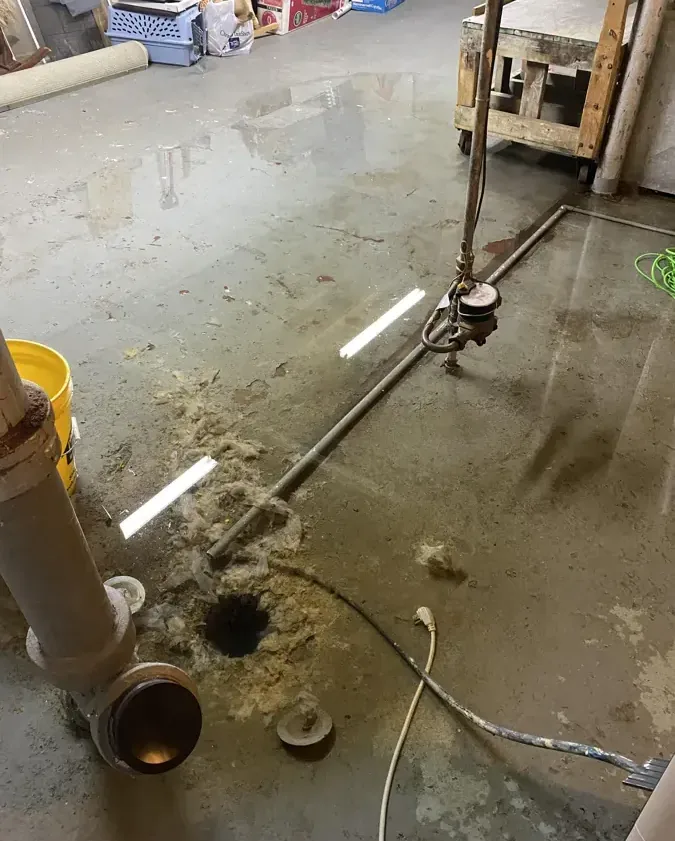
The route out of a contaminated room matters as much as the water lying inside it. Shoes, boxes and dragged furniture can carry wastewater into an otherwise dry hallway. At a Waltham property, sewage cleanup should begin with a clearly defined affected area and a plan for entering, removing materials and keeping occupants apart from the work. A small visible pool may still have contacted porous items or spread under a partition.
How sewage backup cleanup is handled
Define the controlled area
The inspection identifies wastewater contact, access hazards and a practical route for equipment. The owner or manager assesses which rooms should be kept separate from occupants while source investigation and cleanup proceed.
Remove wastewater and affected items
Extraction and material handling follow the condition of the loss. Porous finishes and possessions are assessed individually, with removal choices explained so the work does not rely on surface appearance alone.
Clean the retained surfaces
Suitable materials are cleaned after gross contamination is removed. Seams, corners and exposed lower wall areas receive attention where wastewater traveled, and the scope records any additional access needed to reach concealed contamination.
Dry and identify remaining repairs
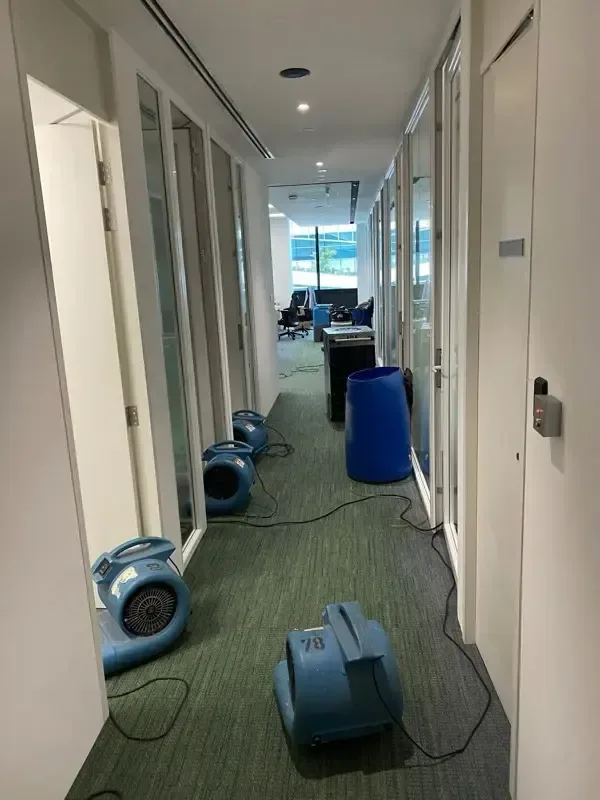
Drying equipment is placed for the materials that remain. Follow up checks document their condition, while the closing notes distinguish completed cleanup from replacement finishes and any unresolved drainage work requiring another contractor.
Separate the drain problem from room recovery
The Water & Sewer Division maintains municipal sewer pipes and sewage pumping stations. A backup inside a building also needs assessment of the source and the specific fixtures involved. The professional investigating the drainage problem and the crew recovering the room have connected but different tasks. Restoring flow does not clean the carpet, wall base or contents that wastewater already reached.
Moody Street and Main Street have restaurants, and the city administers a FOG program for fats, oils and grease. Those municipal responsibilities provide context for drainage concerns. Inside any affected premises, the cleanup scope still follows the observed water route, materials contacted and access arrangements. A manager should identify food storage, stock and occupied areas before equipment is brought through the building.
- Keep people and animals outside the room until entry and handling conditions are assessed.
- Avoid using affected fixtures when doing so could add more wastewater to the space.
- Leave soaked cardboard, fabric and loose floor coverings in place for a handling decision.
- Photograph visible damage from a clean position without crossing the contaminated boundary.
Water still spreading?
Wastewater inside a room needs a controlled cleanup plan. Describe the affected fixtures, floor materials and occupied areas so the conversation can address access, contaminated belongings and the source investigation already underway.
(888) 629-3140Arrange Waltham sewage assessmentDecide what can be cleaned and retained
Hard surfaces, absorbent finishes and stored possessions need separate decisions. The assessment should identify where wastewater has entered seams, wall cavities or the underside of a finish. Some porous materials may require removal, while suitable retained surfaces need cleaning before drying. The written scope should explain the reason for those choices and describe how removed materials will leave the property without spreading contamination.
A basement near River Street may contain storage alongside utilities. Safe equipment access and separation of affected possessions become part of that room's plan. The inspector should look beyond the drain itself, including corners where water settled and the lower surfaces of items standing on the floor. Owners can help by identifying what was moved before the inspection and where it was placed.
Keep the work area safe
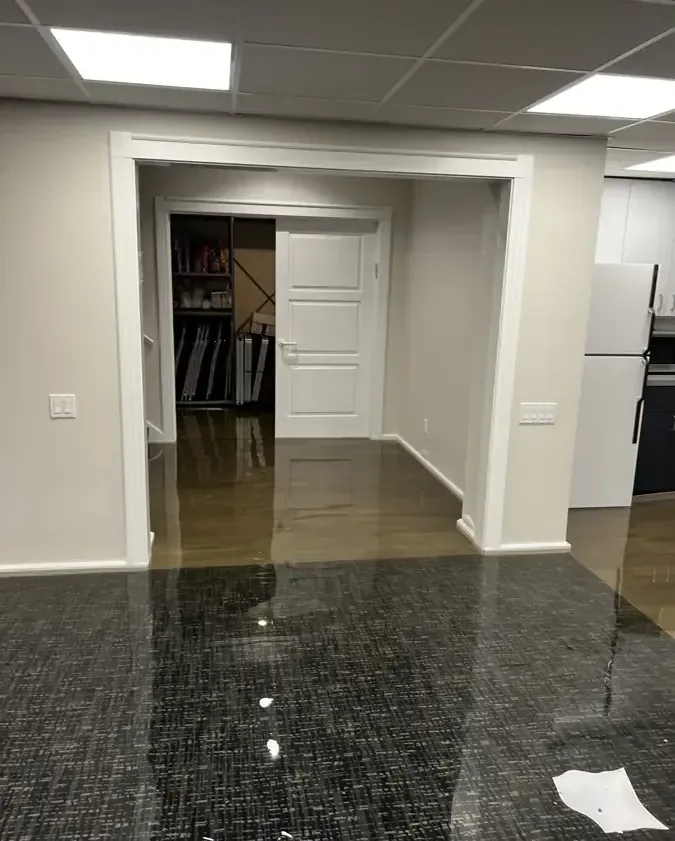
The response team checks electricity, unstable surfaces and water contamination before opening wet materials. Household members keep children and pets away from affected rooms. A qualified electrician handles wet circuits. The cleanup crew sets containment when dirty water or debris could reach occupied space, then establishes a safe route for equipment and removed material.
Drying follows an appropriate cleanup
Air movement should fit the cleanup sequence rather than begin as an improvised response to dirty water. After removal and cleaning, structural drying addresses retained damp assemblies. Where the backup affected a lower level, basement water removal adds useful access considerations. The final scope should identify any openings or replacements needed to reach affected layers.
Document the room before rebuilding
Photos, material decisions and cleaning notes help the owner understand the work completed. Drying measurements then support the next repair stage. A room smelling better or looking cleaner is not the entire completion record; the record should also describe the retained materials and any remaining repair needs.
First decisions for sewage backup cleanup
Close off the affected room
Keep children, pets and other occupants away from the wastewater and any possessions it touched. Choose a clean route around the area, and avoid walking through the room merely to retrieve items or inspect the drain.
Limit further discharge safely
Stop using fixtures that appear connected to the backup and report what was happening when water appeared. Leave drain investigation and any required utility coordination to the appropriate professional rather than experimenting with additional flushing or running water.
Leave contaminated contents for assessment
Do not carry soaked boxes or rugs through occupied rooms. A handling plan should identify what can be recovered, what requires disposal and how materials will be removed without expanding the affected footprint throughout the building.
Record conditions without entering
From an unaffected position, note which rooms and fixtures are involved and whether the water level is changing. Photos and a list of contacted belongings can support the cleanup discussion without requiring unsafe movement into the room.
What does sewage backup cleanup cost in Waltham, MA?
Sewage cleanup planning in Waltham considers contamination, finish type and the route for material removal. A hard floor area can differ substantially from several furnished rooms, so the estimate should describe what each task covers.
Contained hard-floor area
$2,000 to $3,500
- Limited room boundary
- Accessible retained surfaces
- Controlled water removal
Finished-room contamination
$3,500 to $6,000
- Affected porous finishes
- Contents handling decisions
- Cleaning before drying
Several affected spaces
$6,000 to $9,000+
- Expanded contaminated area
- More removal access
- Multiple room coordination
Category of water, square footage, material class and drying delay shape the scope. water damage cost calculator gives an estimate only.
Sewage backup cleanup across Waltham
Wastewater cleanup is available for discussion across The South Side, The Bleachery and other city areas. Report shared entrances, occupied rooms and any ongoing drain investigation so access arrangements reflect the actual building conditions.
The same service nearby: sewage backup cleanup in Belmont, Arlington, Cambridge.
Sewage Backup Cleanup questions in Waltham, MA
Can a drain repair make the room usable again?
Drain repair addresses the source or flow problem. It does not remove wastewater residue from finishes and contents already affected. The room needs its own cleanup assessment, including concealed contact at wall bases and floor seams, before decisions about ordinary use and finish repairs can be made.
Should a household fan be used on the wet floor?
Leave equipment decisions to the cleanup assessment when sewage is involved. Unplanned airflow can interfere with keeping the contaminated area controlled. Removal, material decisions and cleaning should determine when drying equipment is appropriate and where it can be placed without affecting occupied areas of the property.
What happens to cardboard boxes and fabric items?
Absorbent belongings that contacted sewage need a recovery or disposal decision based on their material and condition. Avoid moving them through clean rooms. The work plan should identify affected contents, document important items and explain the removal route before handling starts across the occupied building.
Does the city maintain the municipal sewer system?
The Water & Sewer Division maintains municipal sewer pipes and sewage pumping stations. A property backup still requires investigation of its specific cause. Reporting the observed fixtures and timing helps the appropriate professional evaluate that problem while the interior cleanup addresses the rooms and possessions already affected.
Can a hard floor stay after a backup?
Some hard surfaces may be suitable for cleaning, but seams, backing and nearby porous materials also matter. The inspector should explain the full assembly being retained. A smooth looking top surface cannot by itself show whether wastewater reached a layer that needs additional access or removal.
What records help after the cleanup is finished?
Keep the affected contents list, photographs, work scope and invoices together. Notes about removed materials, cleaned surfaces and drying measurements can clarify what remains for repair. The person handling the drainage problem should also provide a separate description of that work for the property record.
Assess contaminated room access
Keep the affected room separate from everyday traffic while the cleanup scope is established.
(888) 629-3140Discuss safe material handling