Commercial Water Damage in Waltham
Wet stock, blocked access and affected workstations create decisions beyond the puddle itself. Commercial cleanup organizes the damaged area around the building's hazards, essential access and the people responsible for authorizing the work.
(888) 629-3140Assess the affected business space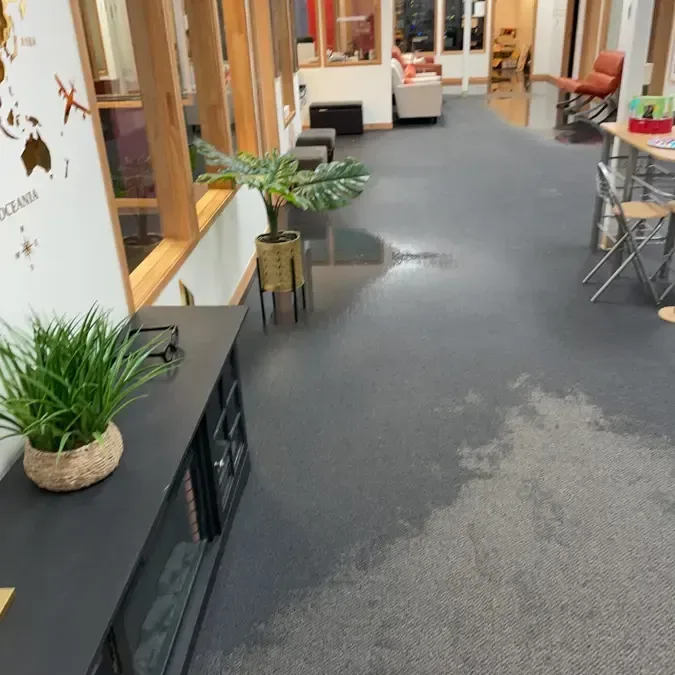
The first commercial cleanup discussion should identify who can authorize access and make decisions about the affected premises. In Waltham, an occupied shop or office may need to protect records, stock and usable work areas while water is being removed nearby. The manager should describe the immediate hazards and business layout. That information allows the scope to address the actual wet materials without losing track of doors, shared corridors and essential building functions.
How commercial water damage is handled
Define the affected business footprint
The assessor assesses the source, hazards, room layout and management contacts. Moisture checks establish where building materials are wet, while contents observations identify stock and equipment needing separate decisions before work progresses.
Agree access and contents handling
The manager assesses protected routes, affected items and the proposed work boundary. Material removal and relocation decisions are recorded so equipment can reach wet surfaces without disrupting agreed access to unaffected portions of the premises.
Perform removal and measured recovery
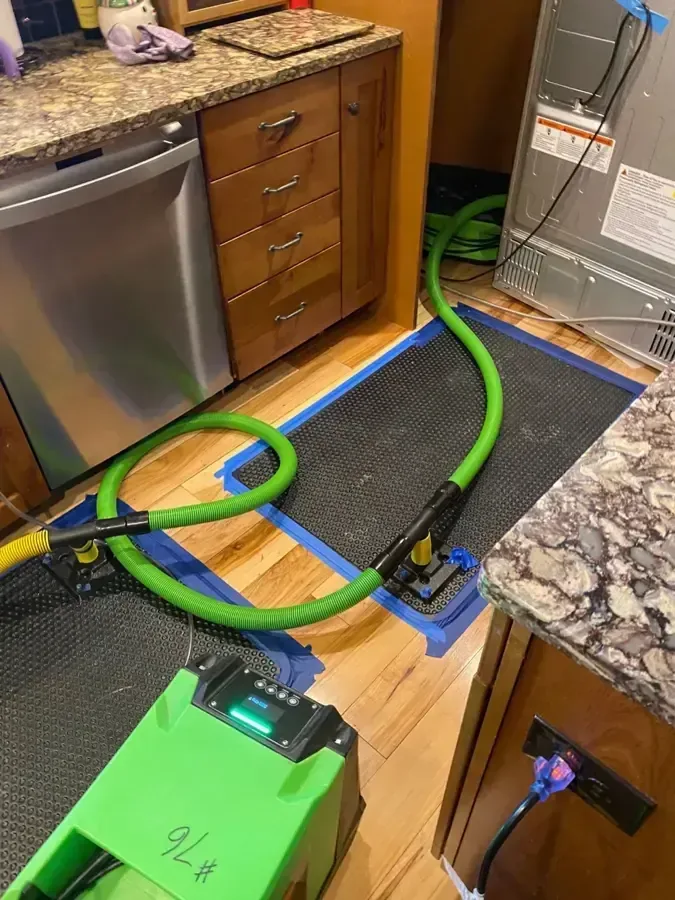
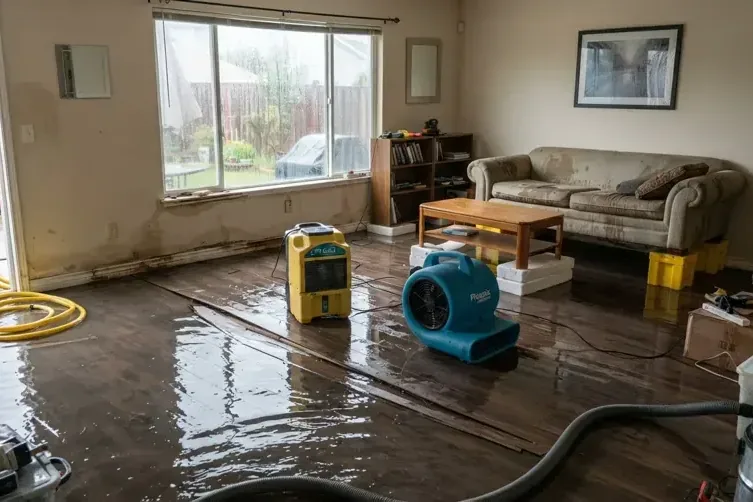
Extraction, cleaning where needed and drying follow the conditions found in each area. The setup accounts for shared access and practical occupancy needs, with adjustments communicated when measurements or newly exposed materials change the scope.
Provide an area by area handoff
Completion notes describe retained materials, removed finishes and remaining repairs for each affected space. The responsible manager can then coordinate stock return and business use with the actual recovery status rather than a general assumption that all rooms finished together.
Start with the business area that water reached
Moody Street has shops and restaurants, and retail activity also concentrates on Main Street and the First Avenue area. A wet dining area, office carpet or stockroom each creates a different contents problem. The assessment should identify what contacted water, which items can be moved safely and what must stay accessible. Electrical equipment and food related areas may require decisions by the appropriate responsible professionals before normal activity resumes.
The city administers a FOG program for fats, oils and grease. Where a restaurant reports a drain or appliance problem, source investigation and interior recovery should be coordinated explicitly. Clearing the plumbing issue does not recover the finishes or stock already affected. A written scope can separate those tasks and identify the person approving material removal, contents handling and changes to the work boundary.
- Name an authorized contact who can arrange keys, access and work approvals for the premises.
- Identify occupied rooms and customer routes that need separation from wet or contaminated areas.
- Record affected stock and equipment before relocation when photographs can be taken safely.
- Explain time dependent operations and identify rooms that need assessment before normal business activity resumes.
Water still spreading?
A commercial water loss needs clear responsibility as well as effective removal. Describe the affected rooms, access contact and essential business functions so the cleanup scope can connect material recovery with practical use of the premises.
(888) 629-3140Arrange Waltham commercial damage assessmentCoordinate shared access before equipment arrives
Brandeis University and Bentley University are part of the city's institutional setting. Larger occupied properties can involve several users, locked rooms and building management responsibilities. The cleanup plan should identify access dependencies before extraction hoses or drying equipment occupy shared routes. Staff should know which entrances are available, where the work boundary lies and how to report a change in conditions during recovery.
For any commercial interior, the wet footprint must still be measured at the building materials. Partition bases, carpet backing and concealed floor layers can hold water beyond the visible puddle. Contents relocation should support that inspection rather than hide affected surfaces under a new stack of boxes. Removal decisions belong in an agreed record, especially when the damaged finish serves several adjoining occupied rooms.
Keep the work area safe
The response team checks electricity, unstable surfaces and water contamination before opening wet materials. Household members keep children and pets away from affected rooms. A qualified electrician handles wet circuits. The cleanup crew sets containment when dirty water or debris could reach occupied space, then establishes a safe route for equipment and removed material.
Make the handoff useful for reopening decisions
Water extraction addresses accumulated volume, while appliance leak cleanup may apply around a failed unit. Drying and repair records then describe the retained materials and outstanding tasks. Business use decisions should consider the actual work and hazards still present, with clear communication to the responsible manager.
Close out each affected area clearly
A room specific account can list contents handled, finishes removed and measurements reviewed. It should distinguish completed mitigation from repairs still requiring another contractor. That separation helps the manager plan the return of stock and workstations without covering a material or access issue that remains unresolved.
First decisions for commercial water damage
Assign the building decision maker
Identify the person authorized to provide access and approve cleanup changes. Share landlord, tenant or facility arrangements that affect entry to utility rooms and adjoining spaces, so the assessment can reach the full water path without confusion.
Separate people from affected areas
Direct staff and customers away from wet flooring, exposed electrical equipment and unstable finishes. Describe the available dry routes rather than assuming an affected corridor can remain open simply because it connects essential parts of the premises.
Record stock and equipment condition
Create a safe photographic record of contacted goods, workstations and room surfaces before relocation. Avoid powering wet devices or moving contaminated stock into clean work areas while the handling and recovery decisions are still being assessed.
Share operational access priorities
Explain which doors, records or unaffected work areas need continued access. Those details help coordinate equipment placement, inspection visits and source repairs while preserving a clear boundary around the rooms where cleanup and drying are taking place.
What does commercial water damage cost in Waltham, MA?
Commercial water cleanup in Waltham depends on affected floor area, contents handling and access coordination. These planning ranges describe increasingly complex interior losses. The estimate should identify source repairs, specialist equipment assessment and reconstruction separately from mitigation.
Contained work area
$2,500 to $5,000
- Defined room boundary
- Limited stock movement
- Accessible material drying
Several occupied rooms
$5,000 to $9,000
- Shared access planning
- Multiple finish types
- Coordinated contents decisions
Extensive building loss
$9,000 to $15,000+
- Broad interior damage
- Expanded equipment layout
- Detailed management handoff
Category of water, square footage, material class and drying delay shape the scope. water damage cost calculator gives an estimate only.
Commercial water damage across Waltham
Commercial assessment covers premises along Lexington Street, River Street and other city business areas. Describe the use of the space, authorized access contact and affected contents so cleanup planning fits the building and its operations.
The same service nearby: commercial water damage in Belmont, Arlington, Cambridge.
Commercial Water Damage questions in Waltham, MA
Can part of the business remain in use?
That depends on the hazards, work boundary and whether a usable dry area can be separated from cleanup. The manager should assess access with the assessor and other responsible professionals. Conditions may change as materials are opened, so occupancy arrangements need to remain tied to the actual work.
Who should approve changes to the cleanup scope?
The business should identify an authorized contact at the outset. That person can coordinate with the owner, tenant or facility manager as needed and keep a record of approved changes. Clear responsibility helps when concealed damage requires additional access or a contents decision affects the planned equipment arrangement.
How should wet electronic equipment be handled?
Avoid operating or powering equipment exposed to water. Its condition should be assessed by the appropriate professional, separately from building material cleanup. The manager can document the equipment location and visible contact from a safe position, then coordinate movement so the room can be inspected without creating another hazard.
Does a restaurant drain repair complete the recovery?
The drain work addresses the source or flow problem, while affected surfaces and contents need their own assessment. The cleanup plan should identify contacted finishes, material removals and any cleaning before drying. Business use decisions should consider those conditions as well as the status of the plumbing repair.
Why are shared corridors part of the planning discussion?
Hoses, equipment and removed materials need a route through the premises. A shared corridor may also serve staff, customers or other occupants. Agreeing that route before setup helps separate normal movement from the work and makes it clear which access needs must be reviewed if the scope changes.
What records help a manager coordinate the final repairs?
Keep room specific photos, contents decisions, source repair details and the mitigation scope together. Drying observations and a list of removed finishes help the next contractor understand the remaining work. That record supports practical decisions about returning stock, reinstalling workstations and restoring the affected areas to use.
Assess access and contents priorities
Keep staff and customers outside the affected work boundary while hazards and room use are assessed.
(888) 629-3140Discuss the business recovery plan