Commercial Water Damage in Cambridge
Water in a working building affects more than the wet finish. Stock, equipment, occupied routes and neighboring tenants all shape the cleanup plan while source repair and material drying are organized together.
(888) 629-3140Discuss water in business premises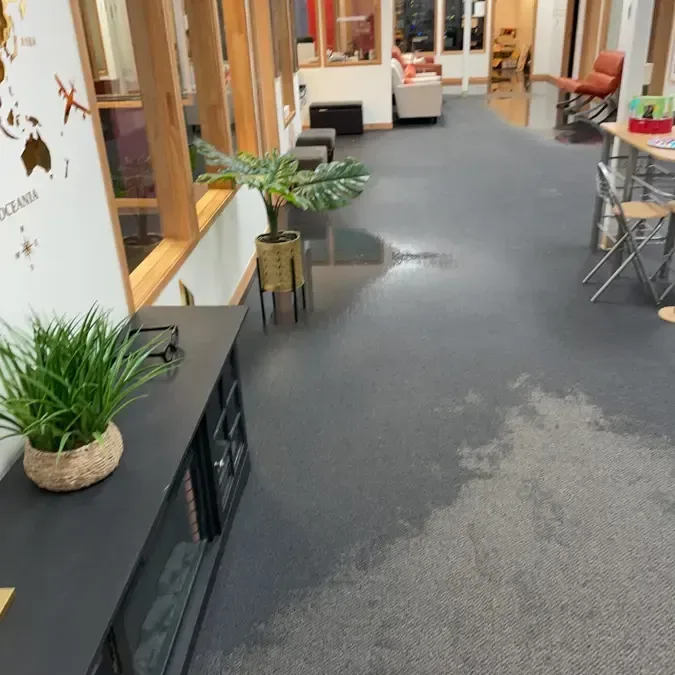
A wet shop entrance and a soaked office suite create different operational decisions even when both began with a pipe leak. Cambridge Street has a longstanding neighborhood retail strip, Lechmere Square is a commercial and transit center, and southern East Cambridge includes offices and laboratories. The assessment needs to understand the business use before arranging equipment, moving contents or opening finishes inside an occupied property.
How commercial water damage is handled
Survey the building and business use
The assessment records source status, affected rooms and operational constraints together. It identifies specialist assets and contacts whose involvement is necessary before work enters restricted rooms or touches sensitive business equipment.
Establish removal and protection routes
Equipment placement and contents movement follow a coordinated access plan. Clean spaces, occupied paths and neighboring tenants are considered while standing water and unsuitable wet material are removed from the affected area.
Dry the retained commercial assembly
Measurements define the wet floor, wall and ceiling layers. Drying equipment and access openings are arranged around the building use, with progress observations showing whether each affected section is responding adequately.
Issue a clear operational handoff
The record identifies completed restoration, ongoing restrictions and remaining construction or specialist work. Management can then coordinate room use and repair scheduling around the actual condition of the premises rather than the appearance of open floors.
Identify what must remain accessible
The building contact should identify occupied rooms, shared routes and areas that can be closed during work. Water near powered equipment deserves appropriate specialist attention before restoration proceeds beside it. Stock, files and movable furniture need separate handling decisions, with a record of their condition before movement. The work boundary should protect unaffected operations without relying on employees to walk through the wet area.
- Establish a property contact who can coordinate entry, source repairs and tenant communications.
- Identify sensitive equipment or contents that require specialist handling beyond ordinary room cleanup.
- Record the wet area before stock or furniture is rearranged for access.
- Keep customer and staff routes distinct from hoses, opened finishes and wet materials.
- Explain any restrictions on noise, room use or access windows so the equipment plan can account for operating needs without sacrificing inspection of the affected assembly.
A clear operational plan helps the owner understand which parts of the premises can be assessed now and which require a scheduled access arrangement with another occupant or building team.
Water still spreading?
Water in a commercial space needs a plan that connects the wet building with the people and assets inside it. Describe the affected operations, access restrictions and source status so restoration can be organized with the right property and specialist contacts.
(888) 629-3140Assess the business water lossFollow the loss across tenancy boundaries
Water does not stop at a lease boundary. A shared wall, ceiling or continuous floor can carry moisture into another occupied space. Inspection should follow the measured path and bring the relevant contacts into the access plan. In a laboratory or technical workspace, the business must identify specialized equipment and processes requiring its own qualified personnel before restoration work reaches those areas.
Water extraction addresses pooling and saturated accessible finishes. Structural drying then targets the retained building materials. The commercial scope adds the coordination needed to perform those tasks around staff, stock, shared services and the building's continuing responsibilities.
- Check adjoining suites when the water path reaches a shared partition or threshold.
- Keep asset inventory decisions separate from the assessment of structural finishes.
- Document temporary access changes and any areas still unavailable for moisture inspection.
Keep the work area safe
The response team checks electricity, unstable surfaces and water contamination before opening wet materials. Household members keep children and pets away from affected rooms. A qualified electrician handles wet circuits. The cleanup crew sets containment when dirty water or debris could reach occupied space, then establishes a safe route for equipment and removed material.
Give the business a usable recovery sequence
The closing plan should distinguish source repair, cleanup, drying and reconstruction. An area may be clear of water while still requiring open cavities or equipment. Reoccupation decisions depend on the condition and use of the space, including any specialist systems affected. A written record lets management coordinate the remaining trades without mistaking the removal of visible water for the completion of every task.
Preserve a record that different teams can use
Photographs, room references, material decisions and equipment observations should remain linked to the affected areas. Finance, property management and the repair trades may each need different details from the same loss. Organized records make that handoff clearer and reduce confusion about which damage belongs to the building, the business contents or another party's repair responsibility.
First decisions for commercial water damage
Name the coordinating property contact
Identify who can authorize access and communicate with affected tenants or departments. A consistent contact helps connect the source repair, building restrictions and restoration assessment before equipment or contents begin moving through occupied areas.
Separate staff from wet work areas
Keep ordinary traffic away from pooled water and affected electrical equipment. Describe essential access routes so the assessment can plan a work boundary and identify where business operations need a temporary change.
Inventory sensitive contents and equipment
List assets requiring special handling by the business or a qualified specialist. Photograph their condition where safe, and keep those decisions distinct from the removal and drying of ordinary building finishes.
Explain operating constraints early
Share room schedules, deliveries and access limitations that affect the cleanup route. The plan can then identify practical work sequences while preserving the ability to inspect connected spaces and monitor the retained wet materials.
What does commercial water damage cost in Cambridge, MA?
Cambridge commercial restoration ranges depend on affected area, occupied access, contents coordination and concealed materials. Technical equipment or business-specific systems may need separate specialists. The property estimate should distinguish building cleanup from asset repair and later reconstruction.
Contained work area
$2,500 to $5,000
- Localized extraction planning
- Accessible finish assessment
- Limited operational coordination
Several occupied rooms
$5,000 to $9,000
- Shared access management
- Connected material monitoring
- Multiple contents decisions
Extensive building loss
$9,000 to $15,000+
- Broader tenancy coordination
- Complex wet assemblies
- Detailed recovery handoff
Category of water, square footage, material class and drying delay shape the scope. water damage cost calculator gives an estimate only.
Commercial water damage across Cambridge
Commercial assessments serve Cambridge businesses around Lechmere Square and the neighborhood retail strip. Provide the building contact, affected rooms and any specialist access requirements so cleanup planning reflects how the premises are actually used.
The same service nearby: commercial water damage in Belmont, Somerville, Arlington.
Related water damage services in Cambridge
Commercial Water Damage questions in Cambridge, MA
Can a business remain open during cleanup?
That depends on the water condition, affected routes, electrical concerns and work required. The assessment should identify whether clean operational areas can remain separate from restoration activity. Management needs a clear account of restrictions and remaining hazards before deciding how staff or customers can use the premises.
Who should coordinate a loss involving several tenants?
The owner or facilities manager should establish a contact who can arrange entry and communicate across occupied spaces. Restoration follows the water path, which may cross tenancy boundaries. Shared source repairs and access needs should be recorded so no affected room is excluded merely because another occupant controls it.
Does cleanup include specialist laboratory equipment?
Technical assets may require the business's own qualified specialists or manufacturers. The restoration assessment should identify those boundaries before equipment is moved or treated. Building water removal and material drying can then be coordinated around specialist work, with responsibilities for technical assets clearly assigned to the appropriate personnel.
Why inventory stock before moving it?
Movement changes the scene and can make the original water exposure harder to establish. Safe photographs and a contents record help distinguish affected stock from dry inventory. They also support practical decisions about handling and storage without mixing business asset questions into the separate building repair scope.
What if the wet area shares a corridor?
The access plan should address occupants using that route and the space needed for hoses or drying equipment. Management may need temporary arrangements while inspection and restoration proceed. Keep the corridor's condition in the work record, particularly when it connects rooms controlled by different occupants or departments.
What does a useful final report contain?
It should identify affected rooms, the source repair status, materials removed or retained, drying observations and remaining repairs. Include operational restrictions that still apply and any specialist work outside the restoration scope. This gives management a practical basis for scheduling construction and deciding how the premises will return to use.
Discuss occupied building access
A coordinated room record helps management understand cleanup progress, equipment needs and the work remaining before ordinary operations resume in affected areas.
(888) 629-3140Assess commercial cleanup needs