Commercial Water Damage in Arlington
A wet business interior needs decisions about people and property at the same time. The assessment should separate usable areas from the cleanup footprint and identify who can authorize access, contents handling, and repairs.
(888) 629-3140Discuss the affected business space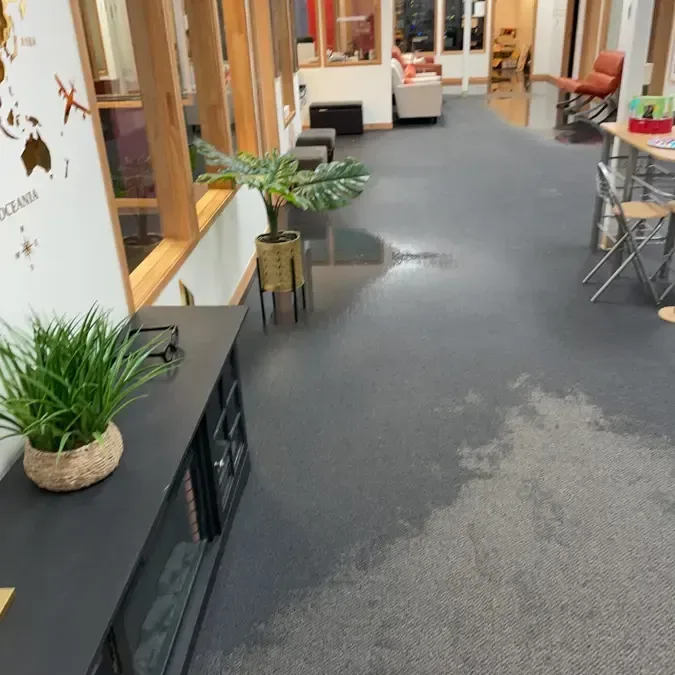
Water inside a business can affect desks, stored goods, circulation, and building finishes in the same event. In Arlington Center, where the Regent Theatre is downtown and Robbins Library sits within the historic district, an occupied property's cleanup needs a clear account of its own use. The assessment should identify the affected rooms, the people responsible for access, and the activities that can continue safely outside the work boundary while the wet interior is addressed.
How commercial water damage is handled
Survey rooms and responsibilities
The assessment maps the wet footprint and identifies contacts for the building and contents. Source control and occupancy requirements establish which areas can be inspected immediately and where coordinated access is still needed.
Organize removal and relocation
Water collection, contents handling, and finish removal follow the agreed permissions. Room-specific records explain material decisions and changes to the cleanup boundary as the affected assembly becomes accessible behind furniture or stored goods.
Dry around usable circulation
Retained components receive equipment arranged around necessary safe routes. Material observations inform adjustments, while restrictions remain clear to occupants and the authorized contact coordinating activity within the affected part of the business property.
Prepare a coordinated repair handoff
The account separates completed cleanup, contents decisions, and building repairs. Retained material condition and unresolved source work are described so responsible parties can schedule subsequent tasks using consistent room names and inspection records.
Establish authority and a practical work boundary
A tenant may control business contents while a property contact controls building repairs or access to common areas. Clarifying those responsibilities helps the inspection reach the affected assembly without delays caused by unclear permission. The work boundary should reflect electrical conditions, unstable finishes, contamination, and equipment routes. A dry room may remain usable only if its circulation stays separate from the cleanup area.
- The building contact should identify who authorizes removal of finishes and access to shared spaces.
- Business contents need an inventory that distinguishes exposed items from those remaining dry and usable.
- Equipment routes should account for doors, public circulation, and necessary access to unaffected occupied rooms.
- Water near electrical or specialized business equipment requires suitable assessment before that equipment is handled.
- Photographs of the initial room arrangement help explain contents relocation and changes made during emergency cleanup.
- Source repair status belongs in the work record alongside the inspection of affected walls and floors.
The Minuteman Bikeway passes through the center, but a nearby landmark is only part of locating a business. The interior use and actual water route define the recovery tasks.
Water still spreading?
A wet business interior needs an organized account of the rooms, contents, and people responsible for access. Describe the water footprint and essential circulation so the assessment can define a practical cleanup boundary and the next material decisions.
(888) 629-3140Discuss business room recoverySeparate building recovery from contents decisions
Wet floor coverings, partitions, and concealed layers need assessment alongside furniture and business materials. A contents handling plan should identify who makes retention or disposal decisions and where items can be relocated. The building cleanup may need access behind stored goods or beneath workstations. That access should be coordinated before moving items that are heavy, sensitive, or connected to equipment.
Water removal services address accessible accumulation, while structural drying focuses on suitable retained components. Their schedules should be explained in relation to the work area and the business's access requirements. A staged approach may be considered where the actual conditions allow separate areas to be assessed and worked on independently without compromising cleanup or safe circulation.
- Room labels and photographs can connect estimates with the locations actually inspected.
- Retained business contents should not block material measurements or equipment servicing access.
- Changes in the affected footprint should be communicated to the authorized building contact.
Keep the work area safe
The response team checks electricity, unstable surfaces and water contamination before opening wet materials. Household members keep children and pets away from affected rooms. A qualified electrician handles wet circuits. The cleanup crew sets containment when dirty water or debris could reach occupied space, then establishes a safe route for equipment and removed material.
Make reopening decisions specific to the affected area
A business needs a clear description of what remains restricted and why. Water removal alone may leave wet finishes, exposed cavities, or operating equipment that affects access. The handoff should state the completed cleanup tasks, retained material observations, and remaining repair responsibilities. Decisions about ordinary use can then reflect the actual conditions in each part of the property.
Keep the documentation useful across responsible parties
Tenant records, property repair invoices, and restoration notes should describe the same rooms consistently. This helps avoid confusion when contents work and building work proceed through different contacts. A concise account of changes, approvals, and inspected materials supports a practical repair sequence after the immediate water problem has been controlled.
First decisions for commercial water damage
Restrict the affected work area
Staff and visitors should remain outside wet or unstable spaces while the building contact arranges assessment. A usable entrance and circulation route should be identified so ordinary movement does not cross the cleanup footprint or exposed equipment.
Identify the authorized contacts
The tenant and property representative should clarify who can approve access, contents movement, and finish removal. Source repair information should be shared with the cleanup provider so the first inspection accounts for ongoing water and planned trade activity.
Record affected business contents
Safe photographs and an item list can preserve the condition of furniture, stored goods, and equipment. Sensitive or connected items should not be moved until appropriate handling is arranged and a suitable dry location is available outside the work area.
Explain essential access needs
The business contact should identify rooms or routes needed during recovery. Those needs can be considered alongside safety, contamination, and equipment placement so any proposed separation between active operations and cleanup reflects the actual building conditions.
What does commercial water damage cost in Arlington, MA?
Commercial cleanup planning in Arlington ranges from $2,500 to $15,000+. Affected rooms, contents handling, access restrictions, and wet building layers influence the scope. Business equipment service and reconstruction should be identified separately from removal and drying work.
Contained work area
$2,500 to $5,000
- Limited occupied footprint
- Accessible wet finishes
- Focused contents relocation
Several occupied rooms
$5,000 to $9,000
- Connected work spaces
- Coordinated access needs
- Expanded drying equipment
Extensive building loss
$9,000 to $15,000+
- Broad material damage
- Complex business contents
- Multiple repair responsibilities
Category of water, square footage, material class and drying delay shape the scope. water damage cost calculator gives an estimate only.
Commercial water damage across Arlington
Commercial assessments cover the town center and other business locations. The initial account should describe affected rooms, the authorized property contact, essential circulation, and any equipment or stored goods requiring specialized handling during cleanup.
The same service nearby: commercial water damage in Belmont, Winchester, Cambridge.
Related water damage services in Arlington
Commercial Water Damage questions in Arlington, MA
Can a business remain open during restoration?
That decision depends on the affected area, hazards, contamination, and whether safe circulation can remain separate from the work. The assessment should identify usable rooms and restricted spaces individually. Operating equipment, exposed cavities, and contents relocation may affect access even after visible water has been removed from the floor.
Who should authorize changes to building finishes?
The tenant and property contact should establish the appropriate approval responsibility before removal begins. Business contents and building materials may fall under different arrangements. Clear authorization helps the work reach concealed wet layers while keeping each responsible party informed about the scope and the condition found during inspection.
How are computers or specialized equipment handled?
Water near business equipment needs appropriate assessment before handling or energizing it. Restoration planning should identify the items, their exposure, and the contact responsible for specialist service. Those decisions are separate from drying nearby building materials, and the movement route should protect both the contents and usable business areas.
Why inventory contents before relocation?
An inventory connects each item with its original room and observed exposure. That record helps the business track what moved, what remains usable, and what needs further assessment. Safe photographs also explain why contents handling was necessary to reach wet flooring or wall materials behind the original work area.
Can cleanup proceed in separate sections of the building?
A staged arrangement depends on actual construction, water spread, contamination, and circulation. The assessment should determine whether sections can remain meaningfully separate while equipment and removal work are underway. Any proposed sequence needs to preserve safe access and reach the full wet assembly rather than leaving connected moisture untreated.
What makes the repair handoff useful for a business?
Consistent room names, photographs, approved changes, material observations, and remaining responsibilities help different contacts work from the same record. The handoff should separate contents decisions from building repairs. This gives the business and property representative a clearer basis for scheduling follow-up work and reviewing access to the affected premises.
Arrange an occupied building assessment
Identify the property contact and any sensitive equipment before contents handling or finish removal is planned.
(888) 629-3140Assess the commercial cleanup scope