Commercial Water Damage Cleanup in Somerville
Water in a business creates building damage and an access problem at the same time. Cleanup planning needs to identify affected materials, sensitive contents and the routes that staff or visitors can safely use.
(888) 629-3140Discuss the affected business space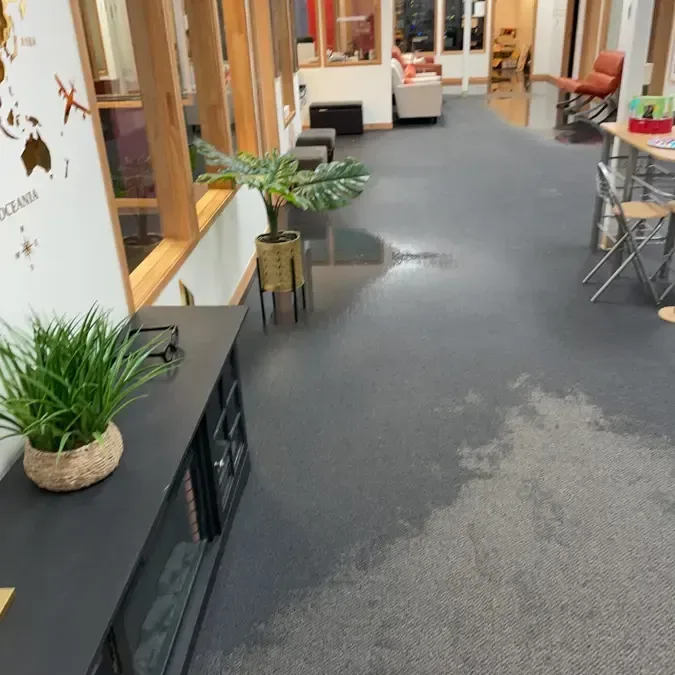
Davis Square has theaters, live music and nightlife. Assembly Square is a large-scale retail area, while Ball Square developed with low-rise masonry commercial buildings. These settings bring different occupancy and access considerations to Somerville water damage work. A manager needs to know which rooms are affected, who can authorize access and what stock or equipment is exposed. The restoration plan should connect those operational details with the condition of the building materials, rather than promise a reopening date before the loss is assessed.
How commercial water damage is handled
Survey the affected operating area
The assessment maps wet building materials, exposed contents and occupied access routes. It identifies the people responsible for entry and source repair so the cleanup sequence can be coordinated with the actual use of the premises.
Establish controlled removal and storage
Accessible water is recovered while contents and unsuitable materials are handled through planned routes. Dry inventory, wet items awaiting decisions and discarded materials remain separated so the work does not expand the original contact boundary unnecessarily.
Dry retained building assemblies
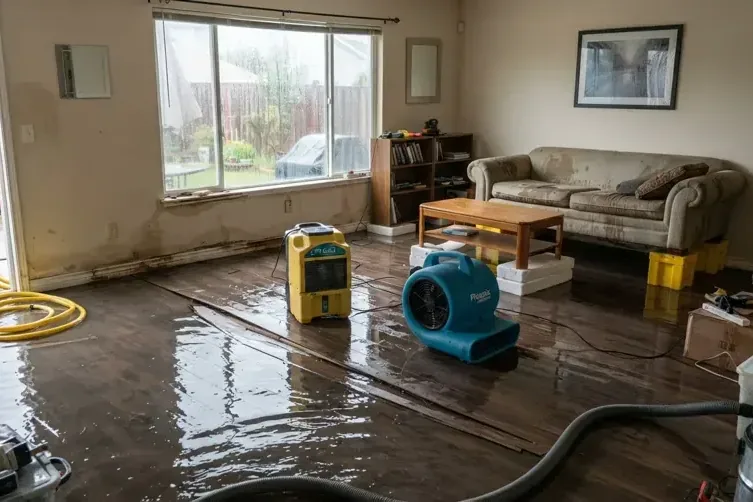
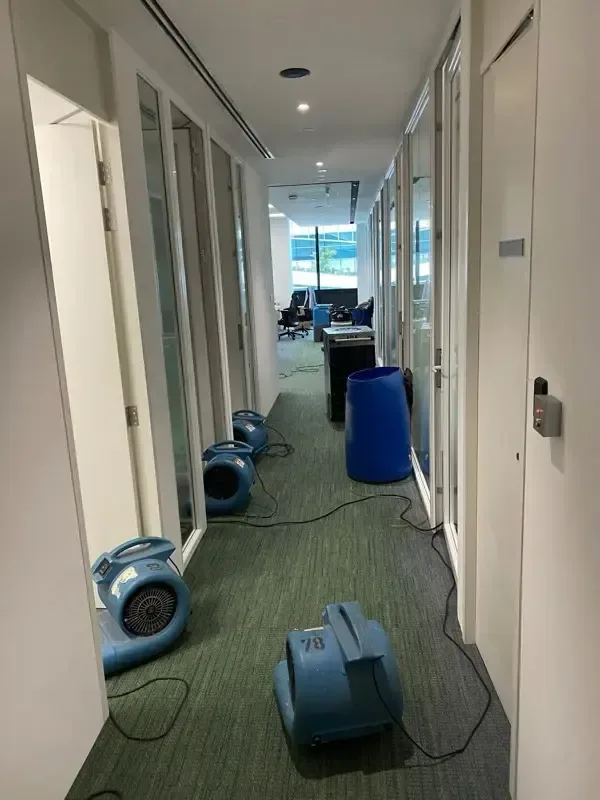
Equipment is arranged around the wet materials and required access restrictions. Repeat checks track the response of floors, walls and cavities, with changes explained to the property contact before the work area or equipment arrangement is altered.
Hand over records and remaining tasks
The completion check distinguishes moisture treatment from reconstruction, equipment servicing and business inventory decisions. Written notes and photographs help the manager coordinate those remaining tasks using the condition of the premises rather than an assumed calendar deadline.
Define the work boundary with the property contact
A wet stockroom, public area or office corridor can affect movement through otherwise usable space. The initial discussion should identify entrances, controlled rooms and the person responsible for building decisions. Shared access also matters where another occupant or owner must arrange a source repair. A clear contact structure helps coordinate extraction, equipment placement and material removal without repeatedly interrupting the assessment.
- Identify the affected floor and any route that staff currently use through the wet area.
- Describe sensitive stock, records or equipment exposed to water or nearby cleanup activity.
- Establish who can authorize entry into locked rooms and connected building spaces.
- Keep dry inventory separate from items awaiting assessment after direct water contact.
- Plan equipment and disposal routes around occupied areas while maintaining appropriate separation from the work zone.
- Retain photographs and inventories before material changes make the original loss harder to explain.
Water still spreading?
Water damage in an occupied business needs clear access responsibilities and a defined treatment area. Describe the affected rooms, exposed stock and ongoing operations so the cleanup discussion can account for the building and its daily use together.
(888) 629-3140Check the business cleanup scopeAssess both the building and the business contents
Floor coverings, partitions and ceiling cavities can carry water beyond the room where the event was discovered. Stock or equipment may obstruct those surfaces and need a deliberate relocation sequence. The inspection should record which building layers require access and which contents need specialist check. A damaged electrical device should not be returned to service simply because the surrounding floor has been extracted.
Water removal addresses accessible pooled water, while structural drying manages moisture retained in suitable materials afterward. These tasks should fit a written work arrangement showing restricted areas and available access. Where contamination is present, the separation and material handling decisions become part of the cleanup scope before ordinary airflow or stock movement resumes.
- Check adjacent rooms served by the same continuous floor covering or partition assembly.
- Coordinate movement of contents so hidden wet edges can be inspected and treated.
- Document the condition of exposed building materials before reconstruction or restocking conceals them.
Keep the work area safe
The response team checks electricity, unstable surfaces and water contamination before opening wet materials. Household members keep children and pets away from affected rooms. A qualified electrician handles wet circuits. The cleanup crew sets containment when dirty water or debris could reach occupied space, then establishes a safe route for equipment and removed material.
Use condition updates to support operational decisions
Managers need a practical description of completed work and what remains. Updates should distinguish source correction, extraction, material removal and drying progress. Some unaffected areas may have different access conditions from the work zone, but that decision belongs to the actual assessment. Equipment and barriers should not be casually moved to reopen a route without reviewing their purpose.
Close the job with a usable handover
The final record should identify treated spaces, removed finishes, moisture observations and outstanding repair needs. Keep that information with contents documentation and source repair records. It gives the responsible property contact a clear basis for arranging reconstruction, equipment check and the return of stock after the interior restoration work has been assessed.
First decisions for commercial water damage
Name a responsible property contact
Identify someone who can arrange entry, explain occupancy and coordinate decisions about the premises. Provide access information for affected rooms and adjoining spaces so the initial inspection can follow the water beyond the point of discovery.
Separate people from affected space
Keep staff and visitors outside wet or contaminated areas while the conditions are assessed. Describe any essential access route that crosses the damage so a practical alternative can be considered before removal equipment is brought inside.
Record exposed stock and equipment
Photograph affected inventory and devices before relocation when safe. Keep items awaiting assessment distinct from dry stock, and avoid powering equipment that contacted water until the appropriate professional has evaluated its operating condition after exposure.
Coordinate source repair responsibilities
Explain whether a landlord, tenant or building manager is arranging plumbing or other source correction. A clear account of that work helps align interior cleanup with access needs and prevents unresolved entry from undermining the drying plan.
What does commercial water damage cost in Somerville, MA?
Somerville commercial cleanup estimates reflect affected space, contents handling and the access needed around business operations. These ranges support preliminary planning; specialized equipment assessment, source repair and replacement finishes should be clearly separated from the interior restoration scope.
Contained work area
$2,500 to $5,000
- Localized interior damage
- Limited contents relocation
- Focused drying arrangement
Several occupied rooms
$5,000 to $9,000
- Connected wet assemblies
- Coordinated staff access
- Broader material handling
Extensive building loss
$9,000 to $15,000+
- Multiple work zones
- Complex inventory coordination
- More reconstruction interfaces
Category of water, square footage, material class and drying delay shape the scope. water damage cost calculator gives an estimate only.
Commercial water damage across Somerville
Commercial assessments address business interiors throughout the city, including retail, entertainment and office spaces. The actual occupancy, affected materials and available access determine the work arrangement and the coordination needed with the responsible property contact.
The same service nearby: commercial water damage in Belmont, Cambridge, Arlington.
Related water damage services in Somerville
Commercial Water Damage questions in Somerville, MA
Can a business remain open during the work?
That depends on the affected areas, contamination, electrical conditions and available access. A usable dry room may have different conditions from a wet corridor or public area. The assessment should identify practical restrictions and explain how equipment or removal routes affect occupancy before the manager decides which operations can continue safely.
Who should coordinate entry into the premises?
A responsible property contact should arrange access and clarify who can approve decisions about the building and contents. That may require coordination among occupants, an owner and a manager. Identifying those responsibilities early helps the inspection reach connected spaces and keeps source correction aligned with the interior cleanup and drying sequence.
How should water exposed inventory be documented?
Photographs and an itemized record help explain the original contact before stock is moved or discarded. Keep dry inventory apart from items awaiting assessment. The condition and type of each material influence treatment decisions, so the cleanup plan should include a staging arrangement that avoids mixing affected contents with usable goods.
Does an extracted floor mean electrical equipment is usable?
A device that contacted water needs its own operating safety assessment, separate from treatment of the wet floor. Such equipment needs assessment by the appropriate professional before it returns to use. Building cleanup can proceed alongside that evaluation, but the records should distinguish interior moisture treatment from servicing or replacing business equipment.
Why inspect rooms beyond the visible business loss?
Water can travel through a continuous floor covering, ceiling void or connected partition. Stock and furniture may hide the edge of that spread. Inspection of adjoining spaces helps define the actual wet boundary and prevents a tidy main room from concealing unfinished moisture work in a storage area or neighboring interior.
What should a manager receive at handover?
A useful handover identifies the areas treated, materials removed, drying observations and repairs still outstanding. It should also distinguish source correction from contents decisions and finish replacement. Keeping these records together helps coordinate reopening arrangements, reconstruction and restocking according to the condition of the property rather than an unsupported completion promise.
Discuss access and affected inventory
Have the responsible property contact and source repair information available when arranging the initial inspection of the premises.
(888) 629-3140Plan restoration around the occupied space