Frozen Pipe Water Damage in Waltham
A frozen section may stay quiet until water begins moving again. When thawing reveals a leak, cleanup must follow the new release through nearby cavities and confirm that the source has been addressed.
(888) 629-3140Assess water released during thawing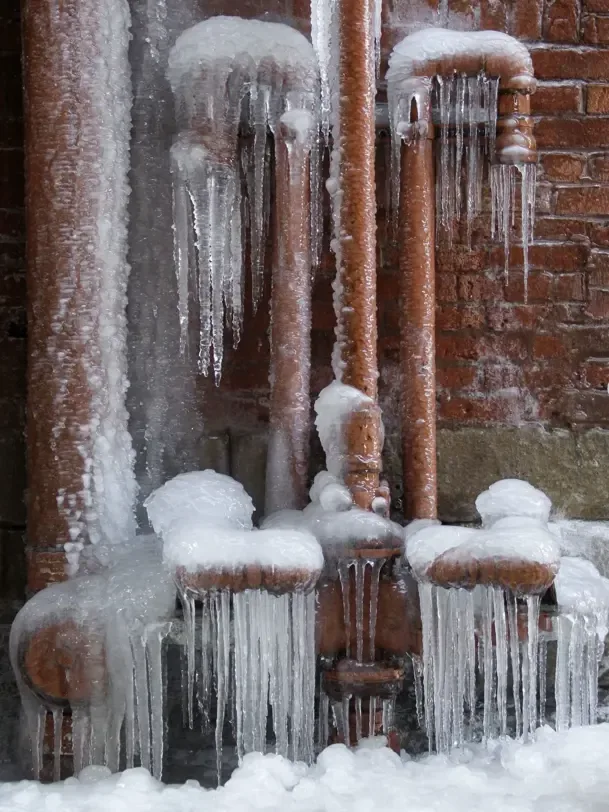
The first visible water from a frozen pipe problem may arrive after the room begins warming. A damaged section can release water as the blockage thaws, sending it into a cavity before the owner sees a puddle. At a Waltham property, the response should connect the plumber's assessment with an inspection of the surrounding building materials. Restored flow is only one observation; the affected assembly also needs to be checked for leakage and retained moisture.
How frozen pipe water damage is handled
Connect thaw observations with the damage
The assessor assesses when flow changed and where water appeared. Those details are compared with visible wet areas and plumbing findings to establish an initial inspection boundary across nearby cavities and connected rooms.
Remove accessible water safely
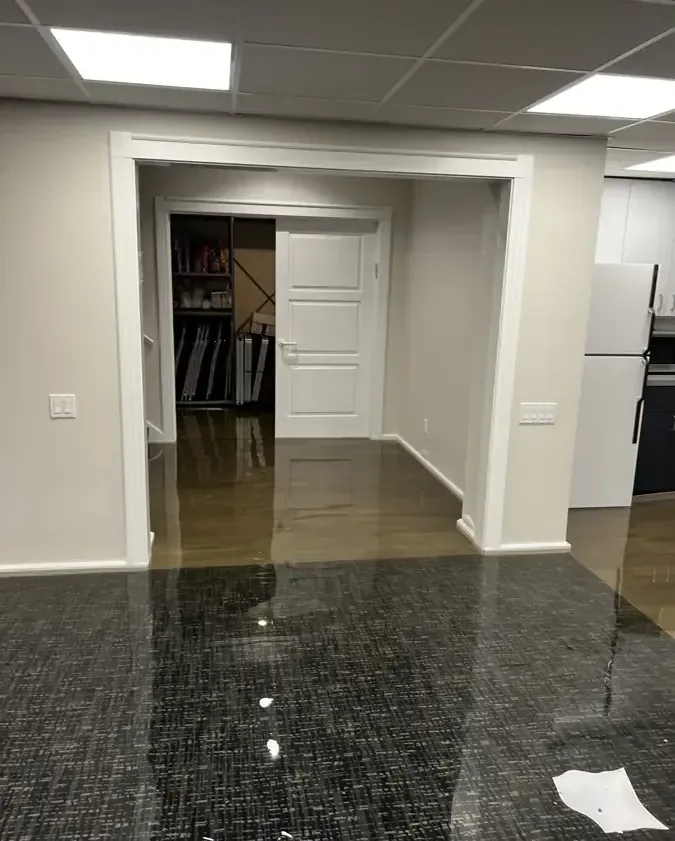
Extraction follows source isolation and the condition of the room. Contents are protected or moved where needed, while the inspection records wet floor transitions and wall bases that may hold moisture after the pool disappears.
Provide access to damp layers
The cleanup scope identifies insulation or finishes that prevent effective inspection and drying. Proposed openings are coordinated with plumbing work so the retained assembly can be reached without obstructing an unfinished supply repair.
Document recovery before finishing
Follow up readings track the affected materials and any changes in the wet footprint. The handoff lists completed mitigation, removed components and remaining finish repairs, giving the owner a clear account before the cavity is closed.
Arrange pipe assessment without improvised heating
A suspected frozen supply needs appropriate professional attention. Open flames and unplanned heating around concealed building materials can create additional hazards. Owners should report which fixture lost flow, where frost or leakage is visible and whether a shutoff is accessible from dry ground. Those observations help the plumbing professional investigate while cleanup planning focuses on any water already released into the room.
The city prohibits on street parking during a Snow Emergency / Parking Ban. When such a restriction applies, access arrangements should be discussed before a visit. A property in Cedarwood, Lakeview or Gardencrest may have its own entrance and equipment route to describe. Keep that conversation focused on the actual access conditions and the observed pipe problem inside the building.
- Report whether leakage appeared before, during or after the return of water flow.
- Identify the nearest visible wet surface without opening uncertain walls or touching wet equipment.
- Keep people away from ceiling movement or dripping beneath the suspected pipe location.
- Share any plumber findings about additional damaged sections that could affect the cleanup area.
Water still spreading?
A thawing supply can reveal water damage beyond the first visible drip. Describe the change in flow, wet rooms and plumbing findings so the cleanup assessment can follow the released water through the surrounding building materials.
(888) 629-3140Arrange Waltham thaw leak cleanupCheck more than the first opening in the wall
A plumber may open a small section to reach the damaged pipe. Water can extend farther through insulation, along framing or beneath the floor. The cleanup assessor should map that spread and explain whether further access is required. A wall opening that serves the repair may not expose all of the materials that need drying, especially when the release continued unnoticed inside an enclosed cavity.
The timing of the leak can also affect the inspection. If new moisture appears while the supply is being evaluated, the room boundary may need revision. The owner should report fresh drips or changing stains rather than assume every wet area came from the first visible release. Source work and drying need coordination so equipment is not placed against an area that still requires plumbing access.
Keep the work area safe
The response team checks electricity, unstable surfaces and water contamination before opening wet materials. Household members keep children and pets away from affected rooms. A qualified electrician handles wet circuits. The cleanup crew sets containment when dirty water or debris could reach occupied space, then establishes a safe route for equipment and removed material.
Recover the assembly after the supply is repaired
Burst pipe water damage explains how a supply release can connect several rooms. Where the thaw leak reached a lower level, basement water removal addresses access around utilities and stored contents. The drying scope should identify retained wall, ceiling and floor layers along the full observed route.
Keep a record before the cavity closes
Photographs of the repair opening and notes about removed insulation help explain what will become concealed again. Measurements should document the retained materials before replacement finishes cover them. The repair handoff can then distinguish the completed plumbing work from insulation, trim or ceiling tasks still needed to restore the affected room.
First decisions for frozen pipe water damage
Report the change in flow
Tell the plumbing professional which fixture lost flow and whether water appeared as it returned. Avoid attempting a heating method inside a wall or around uncertain materials, and keep the assessment focused on the observed supply problem.
Use only a safely reached shutoff
If an identified shutoff can be reached from a dry, secure position, isolation may limit a release. Do not enter pooled water or approach wet electrical equipment to reach it; arrange appropriate help for access and isolation.
Watch adjoining and lower surfaces
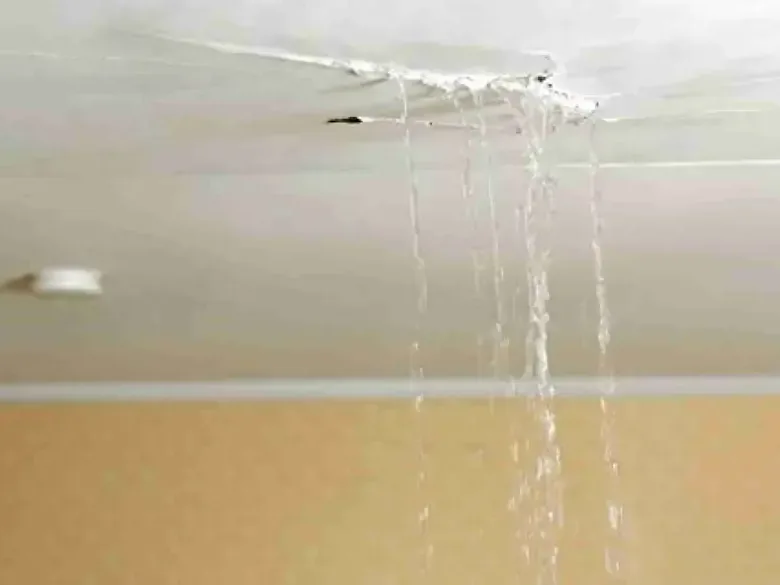
Note fresh ceiling marks, damp trim or water emerging beneath a partition after the thaw begins. Keep clear of unstable overhead material and share these changes so the cleanup boundary follows the full release rather than its first puddle.
Discuss winter access arrangements
Describe current parking restrictions, the available entrance and affected level. A usable equipment route helps coordinate the visit while keeping pipe repair access separate from the space needed for removal and drying.
What does frozen pipe water damage cost in Waltham, MA?
Frozen pipe cleanup planning in Waltham depends on when the release was isolated and which cavities received water. These ranges describe interior recovery at different scales. Pipe diagnosis, repair and replacement finishes should be clearly separated in the estimate.
Contained thaw leak
$1,200 to $2,600
- Limited wet footprint
- Accessible source area
- Focused floor extraction
Wet wall or ceiling cavity
$2,600 to $4,600
- Insulation access needs
- Concealed material inspection
- Targeted assembly drying
Several rooms or levels
$4,600 to $6,800+
- Broader water movement
- Multiple cavity checks
- Coordinated repair access
Category of water, square footage, material class and drying delay shape the scope. water damage cost calculator gives an estimate only.
Frozen pipe water damage across Waltham
Thaw leak damage assessment covers properties in Warrendale, Piety Corner and surrounding neighborhoods. Describe the affected fixture, water movement and current access conditions so the cleanup discussion can connect the plumbing findings with the wet rooms.
The same service nearby: frozen pipe water damage in Belmont, Arlington, Cambridge.
Related water damage services in Waltham
Frozen Pipe Water Damage questions in Waltham, MA
Why can leakage appear only after a pipe starts thawing?
A frozen blockage can limit flow until conditions change. If the pipe is damaged, water may then escape through that section as flow returns. Report the timing and any new wet surfaces to the plumbing professional, and arrange assessment of the building materials along the observed water path.
Can an owner use an open flame to thaw a pipe?
No. Avoid open flames and improvised heating around pipes or concealed building materials. A suspected frozen supply should be assessed by the appropriate professional. The owner can provide useful information about the affected fixture, visible frost and any safely accessible shutoff without creating another hazard during investigation.
Does restored fixture flow mean there was no damage?
The pipe and surrounding area still need attention if freezing or leakage was suspected. Report any fresh drip, stain or damp trim after flow returns. The plumbing assessment addresses the supply condition, while moisture checks help determine whether nearby building materials received water during the thaw.
Should the drying equipment wait until every pipe is accessible?
The sequence should be coordinated with the plumbing professional and the conditions in the room. Accessible water may need removal while source investigation continues, but equipment must not obstruct repair access. The scope should explain what can proceed safely and which drying tasks depend on the source work.
Why inspect insulation around the repaired section?
Insulation can hold water beyond the small opening needed for a plumbing repair. It may also conceal wet framing or wall finishes. The cleanup assessment should explain whether removal is necessary to reach those materials and identify the replacement insulation needed after the retained assembly has been evaluated.
What should a property owner keep from the repair?
Keep the plumber's description, photographs of opened areas and the cleanup account together. Include drying observations and a list of removed finishes or insulation. Those records help the next contractor understand what was repaired, what was recovered and which components still need replacement before closure.
Assess the wet cavity extent
Keep access to the repair opening available while source work and drying decisions are coordinated.
(888) 629-3140Discuss water damage after freezing