Frozen Pipe Water Damage in Cambridge
A pipe that stops flowing can begin leaking when ice releases. The restoration task starts with controlled water service, then follows any thaw-related release through the walls, ceilings and floors it has reached.
(888) 629-3140Discuss damage after a pipe thaws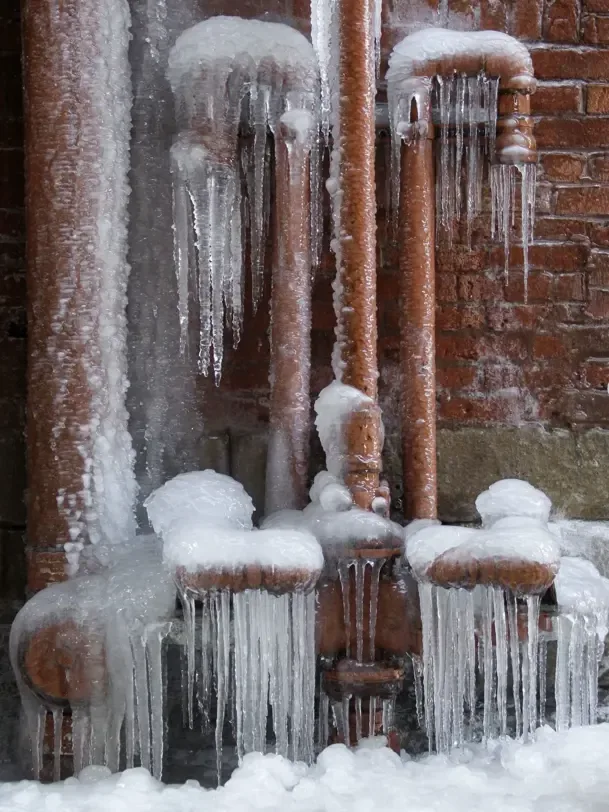
A frozen section can interrupt flow before a split becomes apparent. When the ice releases, water may escape into a cavity rather than onto an easily observed floor. Cambridge Water Department advises tenants without water to check whether other tenants are also affected. That initial observation can help organize the right contact, while a plumbing professional determines the cause and any required repair. Cleanup begins with the actual water released into the building.
How frozen pipe water damage is handled
Examine supply and repair findings
The assessment establishes where the damaged section was found and whether the source is controlled. The reported thaw sequence helps identify rooms and levels that may have received water before the release became visible.
Map concealed migration
Inspection follows the pipe cavity, nearby floor edges and rooms below. Moisture readings identify retained wet layers, while inaccessible areas are recorded for further access decisions before the building is patched.
Remove water and expose assemblies
Recoverable liquid is extracted and unsuitable finishes are evaluated. Access to retained framing and floor layers allows drying equipment to address absorbed water rather than only improving the visible room surface.
Coordinate drying and future repair
The final assessment connects material observations with plumbing completion and rebuilding needs. It keeps any future pipe protection work distinct from the current loss so remaining restoration tasks stay clear after normal service returns.
Do not let restored flow hide a damaged pipe
A tap running again does not settle the condition of concealed plumbing. The responsible plumbing professional should assess the affected supply and determine how service is restored. Avoid improvised heating or operating damaged components. Restoration planning needs to know where the release occurred, whether it remains isolated and which rooms might have received water while the pipe thawed or the supply was being checked.
- Record when flow stopped, when it returned and when indoor water was first noticed.
- Tell the property contact whether other occupied spaces experienced the same interruption.
- Keep wet electrical areas and unstable ceilings outside the normal access route.
- Inspect rooms beneath the suspected release when access can be arranged safely.
- Preserve the plumbing findings with photographs of wet finishes so the thaw sequence and the resulting building damage remain connected in the repair record.
If a basement pipe leak cannot be controlled with the shutoff valve, the water department's guidance is to report the uncontrolled release. That source concern belongs alongside, but apart from, interior water removal.
Water still spreading?
A thaw-related release can leave hidden moisture after water service returns. Describe the affected pipe, flow changes and rooms showing damage so inspection can connect the plumbing repair with the wet layers that still need access, removal or drying.
(888) 629-3140Assess damage from the thawTrace the release through the occupied building
In North Point, Mid-Cambridge or near Harvard Yard, the inspected building arrangement determines the wet path. A pipe inside a partition can send water down framing, under a floor edge or onto a ceiling below. Rooms without visible puddles may still need moisture checks. The scope should account for the release route rather than only the location where the frozen pipe was found.
Burst pipe restoration addresses the broader supply release, while ceiling leak cleanup focuses on overhead damage between levels. The thaw-related assessment connects those room findings with the source repair and the period during which water entered the building.
- Check wall bases at the bottom of the cavity containing the failed section.
- Look for changed flooring at thresholds that connect the wet room with adjoining space.
- Record inaccessible cavities before closing the plumbing repair opening or replacing trim.
Keep the work area safe
The response team checks electricity, unstable surfaces and water contamination before opening wet materials. Household members keep children and pets away from affected rooms. A qualified electrician handles wet circuits. The cleanup crew sets containment when dirty water or debris could reach occupied space, then establishes a safe route for equipment and removed material.
Plan drying separately from freeze prevention
Source repair and future plumbing protection deserve attention from the responsible trade. The existing interior loss still requires extraction, material decisions and drying. Retained framing and floor layers need assessment even after the water service works normally. Keeping those responsibilities separate in the estimate helps the owner see why a repaired pipe does not immediately make the occupied room ready for rebuilding.
Use the repair opening constructively
Access created for plumbing can reveal wet insulation or adjacent timber. Restoration findings should be reviewed before that opening is closed. Further access may be needed where water traveled beyond the repair point. The handoff should identify what was inspected, what dried and which finishes remain to be replaced so the thaw event ends with a clear account of the whole affected assembly.
First decisions for frozen pipe water damage
Arrange plumbing assessment of lost flow
Report the interruption and any newly visible water without attempting improvised pipe heating. A plumbing professional should establish the condition of the affected section and how the supply can be controlled or restored safely.
Coordinate with other building occupants
Tenants should check whether neighboring occupants also lack water, as the water department advises. Share that observation with the property contact along with the location of any wet room or dripping ceiling discovered afterward.
Record the thaw-related sequence
Keep notes about flow changes, isolation attempts and the first sign of indoor water. Safe photographs of the affected finishes help explain whether damage appeared before or during the restoration of water service.
Preserve access to wet cavities
Explain that plumbing openings may also reveal materials requiring drying. Coordinate closure with the restoration assessment so insulation, framing or adjoining floor layers are not concealed simply because the damaged pipe has been repaired.
What does frozen pipe water damage cost in Cambridge, MA?
Cambridge thaw leak restoration ranges depend on concealed spread, affected levels and the access required around repaired plumbing. The estimate should distinguish pipe work from water removal and material drying. Room findings determine the actual restoration scope and finish repairs.
Contained thaw leak
$1,200 to $2,600
- Localized release assessment
- Accessible liquid recovery
- Limited material drying
Wet wall or ceiling cavity
$2,600 to $4,600
- Hidden saturation tracing
- Insulation condition decisions
- Selective opening coordination
Several rooms or levels
$4,600 to $6,800+
- Connected space inspection
- Multiple equipment positions
- Broader repair documentation
Category of water, square footage, material class and drying delay shape the scope. water damage cost calculator gives an estimate only.
Frozen pipe water damage across Cambridge
Thaw-related water damage assessments cover Cambridge properties in North Point, Mid-Cambridge and near Harvard Yard. Provide the plumbing findings and affected levels so inspection can follow the release into connected rooms and concealed materials.
The same service nearby: frozen pipe water damage in Belmont, Somerville, Arlington.
Related water damage services in Cambridge
Frozen Pipe Water Damage questions in Cambridge, MA
Does returning water flow mean the pipe is sound?
A section that froze needs plumbing assessment even after flow returns. A split may release water as ice thaws or pressure returns. The plumbing professional should assess the affected supply and its repair needs, while restoration checks the building materials reached by any resulting release.
What should a tenant do when only one room has no water?
Report the affected fixture and check whether other tenants are also experiencing an interruption, following the water department's advice. Avoid assuming the cause from that observation alone. The owner or appropriate plumbing contact can investigate the service issue and coordinate access if an indoor leak is discovered.
Can a thaw leak wet a ceiling far from the pipe?
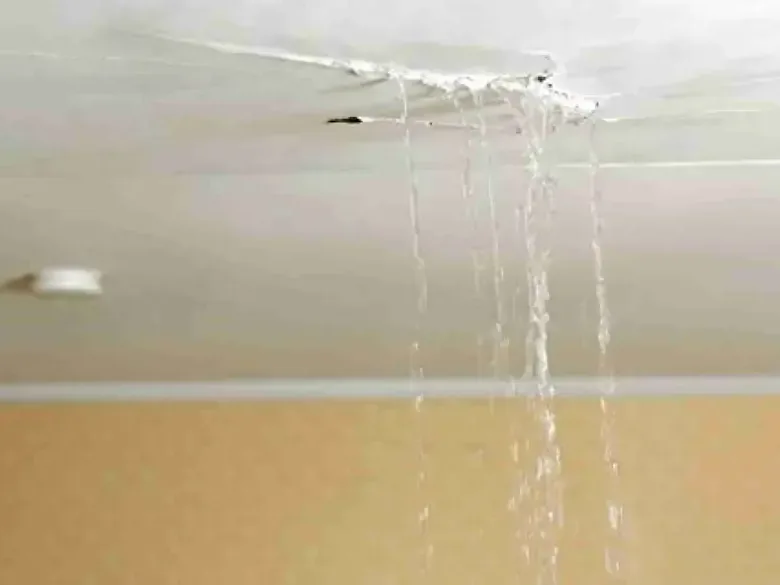
Water can travel along framing or other concealed surfaces before reaching the underside of a ceiling. The visible drip is therefore only part of the inspection route. Measurements and access above the affected room help connect the overhead damage with the repaired supply and identify hidden wet layers.
Should a repaired pipe opening be patched immediately?
The surrounding material should be reviewed first. A plumbing opening can expose wet insulation or framing and may provide useful drying access. Closing it before assessment can conceal moisture that traveled beyond the failed section, so the source repair and interior restoration schedules need coordination.
Is future freeze protection included in the cleanup estimate?
That work should be discussed with the responsible plumbing or building trade and identified explicitly if included. Cleanup addresses water already released into the building. Keeping prevention, source repair and interior restoration distinct makes the estimate easier to follow and prevents remaining room damage from being overlooked.
What records are useful after a thaw-related release?
Keep the sequence of flow changes, plumbing findings, photographs and drying observations together. They explain the source and the resulting interior path. The closing record should identify retained materials, removed finishes and unfinished repairs so normal water service is not confused with completion of the building restoration.
Discuss concealed pipe release cleanup
Keep source findings and interior observations together to organize a clear repair sequence before the affected cavity is closed.
(888) 629-3140Assess the thaw leak damage