Frozen Pipe Water Damage in Arlington
A pipe that stopped flowing can begin leaking as conditions change. The cleanup response should connect safe plumbing assessment with inspection of the cavity, flooring, and lower spaces that receive water during the thaw.
(888) 629-3140Discuss water after a pipe thaw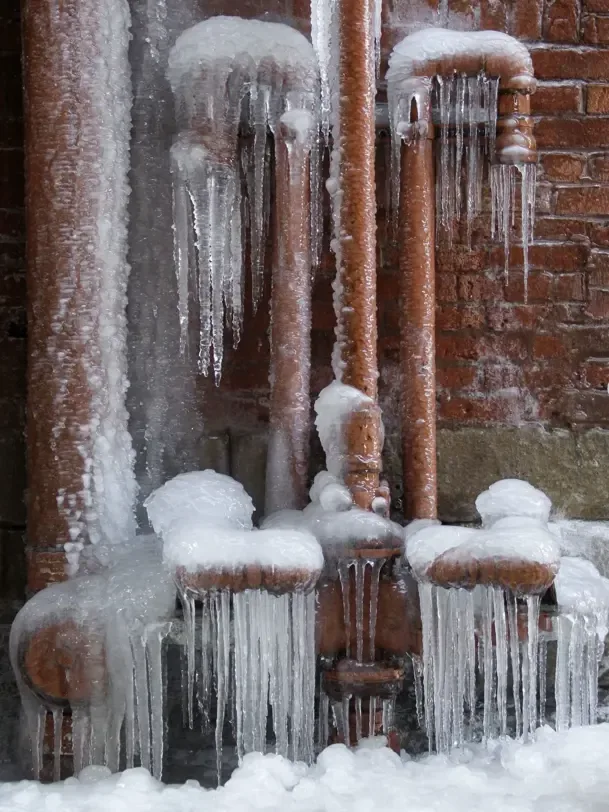
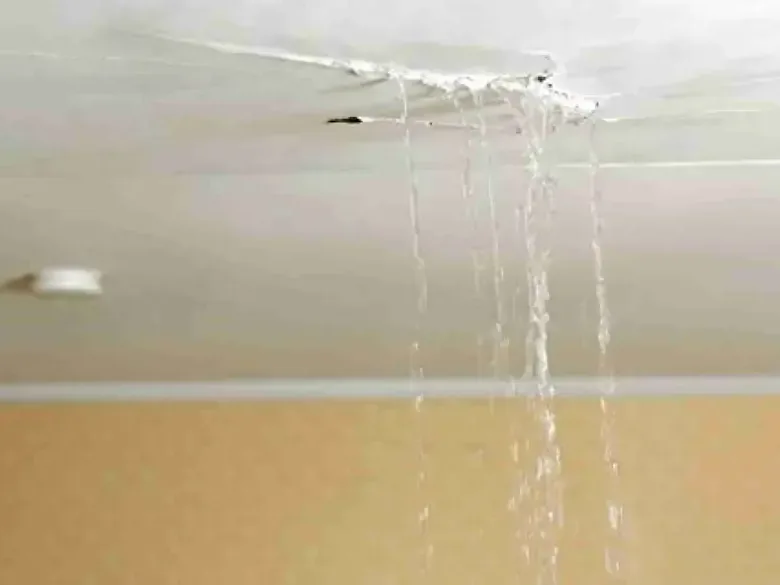
The first visible water after a thaw may appear in a wall cavity or a room below the affected pipe. An Arlington homeowner should report both the earlier change in flow and the new moisture symptoms. In Morningside, that might mean describing a damp wall base; in Quincy Heights, the report may involve a lower ceiling. These are possible inspection paths, and the work must follow the plumbing and building arrangement actually present at the affected property.
How frozen pipe water damage is handled
Trace the plumbing sequence
The assessment records flow changes, observed leakage, and planned source work. This sequence identifies materials that may have received water and establishes safe access before equipment or removal is arranged in the affected rooms.
Inspect the thaw escape route
The survey follows the damaged section through cavities and floor layers. Areas exposed for plumbing work are checked alongside visible damage, with any space requiring later access identified before repairs close the assembly.
Remove unsuitable wet barriers
Insulation and damaged finishes are evaluated where they obstruct access or cannot remain. Suitable retained components receive drying matched to their exposure, leaving room for required plumbing work and repeat observations of moisture.
Connect repair and drying records
The handoff combines source details and material condition. Renewed moisture or access concerns are documented so insulation, wall, and ceiling repairs follow assessment of the connected building assembly rather than the pipe alone.
Keep thawing and leak repair with the plumbing assessment
Residents should avoid open flames, improvised heaters, or attempts to force access to hidden plumbing. The appropriate plumbing professional can evaluate the affected section and establish safe source control. A valve reachable from dry ground may be relevant to limiting an escape, but no one should enter unsafe water or disturb an unstable finish to find it. Cleanup planning needs the current leak status.
- A previously quiet pipe area should be observed for new drips or dampness as conditions change.
- The report should connect reduced flow, visible leakage, and any source control already performed.
- Wall openings required for plumbing access may reveal wet insulation beside the damaged section.
- A lower room needs assessment when water has moved through floor gaps or vertical cavities.
- Separate photographs of the pipe access and affected finishes help explain both repair work and water damage.
- Household members should report renewed leakage while continuing to avoid wet electrical areas and loose overhead finishes.
Turkey Hill is another neighborhood where a useful report describes the actual affected room and plumbing symptoms. The cleanup plan comes from those conditions, with safe inspection before any assumptions about concealed construction.
Water still spreading?
Water appearing after a pipe thaw needs a clear account of changing symptoms. Describe the earlier flow problem, current leak location, and any connected room damage so plumbing repair and material recovery can be coordinated around the affected assembly.
(888) 629-3140Describe the thaw leak symptomsLook beyond the thawed section for escaped water
A damaged pipe can release water into insulation or behind a finish before the room shows an obvious puddle. Repair access therefore offers an opportunity to inspect connected materials. The restoration scope should describe the wet cavity, adjoining wall bases, and any floor assembly beneath the escape. It should also identify the areas that remain inaccessible until the plumbing work has opened the necessary route.
If the pipe has split and water has spread broadly, burst pipe restoration addresses the connected building damage. The source repair and material recovery remain separate tasks within that response. A repaired pipe does not determine whether surrounding insulation can stay or whether the lower ceiling needs opening. Those decisions follow the condition of the assembly exposed during inspection.
- Retained framing needs attention along the moisture route extending away from the pipe access.
- Absorbent finishes should be evaluated for physical damage as well as remaining moisture.
- Drying access must account for any further plumbing work required in the same cavity.
Keep the work area safe
The response team checks electricity, unstable surfaces and water contamination before opening wet materials. Household members keep children and pets away from affected rooms. A qualified electrician handles wet circuits. The cleanup crew sets containment when dirty water or debris could reach occupied space, then establishes a safe route for equipment and removed material.
Record changing conditions through the recovery work
Thaw-related symptoms can change as plumbing conditions are addressed. The record should show when leakage was observed, what source work occurred, and which materials were wet when inspected. Structural drying services can then focus on suitable retained components after source control and necessary removal. Repeat observations help distinguish progress from renewed moisture entering the same space.
Close the repaired cavity after a coordinated assessment
Before a wall or ceiling is rebuilt, the homeowner should have a clear account of the plumbing repair and the surrounding material condition. Insulation replacement and decorative work should follow that assessment. The handoff needs to include any connected room below the source so the restored surface does not hide a separate portion of the original escape.
First decisions for frozen pipe water damage
Avoid improvised pipe heating
Residents should avoid open flames or unsuitable heating equipment on suspected frozen plumbing. Professional assessment is needed when pipes are concealed or close to electrical components, insulation, or materials that complicate safe access.
Report changing flow and leakage
The first account should describe the earlier loss of flow and where moisture later appeared. New drips, wet trim, or a changing ceiling beneath the pipe can help the inspection connect the thawing plumbing with the affected building layers.
Coordinate safe source control
A plumbing professional should assess damaged sections and the appropriate shutoff. Household members should avoid entering water to reach a valve and keep the cleanup contact informed about any continuing escape or planned opening for repair access.
Include connected occupied rooms
A lower household may notice damage while the source room remains only slightly wet. Property contacts should arrange access to each affected space so the restoration assessment follows the entire moisture route before insulation and finish repairs are planned.
What does frozen pipe water damage cost in Arlington, MA?
Frozen pipe cleanup planning in Arlington ranges from $1,200 to $6,800+. Concealed leakage, wet insulation, and damage across levels influence the work. Plumbing assessment and repair should be distinguished from material removal, drying, and reconstruction within the estimate.
Contained thaw leak
$1,200 to $2,600
- Limited visible escape
- Reachable pipe surroundings
- Focused material inspection
Wet wall or ceiling cavity
$2,600 to $4,600
- Hidden insulation moisture
- Selective cavity access
- Retained timber drying
Several rooms or levels
$4,600 to $6,800+
- Connected interior spread
- Lower room assessment
- Broader removal coordination
Category of water, square footage, material class and drying delay shape the scope. water damage cost calculator gives an estimate only.
Frozen pipe water damage across Arlington
Thaw leak assessments include Morningside, Quincy Heights, and Turkey Hill. A useful report connects any earlier flow change with current drips, wet finishes, and the status of plumbing access or source repair at the property.
The same service nearby: frozen pipe water damage in Belmont, Winchester, Cambridge.
Related water damage services in Arlington
Frozen Pipe Water Damage questions in Arlington, MA
Can a pipe begin leaking after flow starts returning?
A damaged section can release water as the frozen condition changes. New drips or damp finishes should be reported along with the earlier flow problem. The plumbing assessment establishes source control, while the restoration inspection checks the materials that received water before the escape became obvious in the room.
Should residents try to thaw concealed plumbing themselves?
Improvised heat and open flames should be avoided. Concealed plumbing may be near wiring, insulation, or other materials that complicate safe access. The appropriate professional should evaluate the pipe and determine the repair approach, while household members remain away from unsafe wet areas and report visible changes from a safe location.
Why inspect the cavity after the pipe is fixed?
Water released before the repair may remain in insulation, wallboard, or adjacent timber. The pipe's restored function does not describe those materials. Inspection through suitable access helps determine what can remain, what requires removal, and how the retained assembly can be dried before the finish is rebuilt over it.
What if another leak appears during the work?
New leakage should be communicated promptly to the plumbing and cleanup contacts. The source status and wet footprint may need reassessment before drying continues under the earlier arrangement. Recording the new location and visible conditions helps distinguish renewed water entry from moisture already present in the original affected assembly.
Does a lower ceiling need attention after an upper thaw leak?
A wet or changing lower ceiling belongs in the same assessment as the pipe escape above it. Water can travel through building openings before appearing downstairs. Coordinated access helps identify the intervening materials and keeps the repair plan from stopping at the upper room while concealed moisture remains below.
What should be reviewed before closing the wall?
The plumbing repair, insulation condition, retained framing observations, and any connected room damage should be reviewed together. The handoff should identify unresolved access needs or renewed leakage. This gives the repair trade a clear account of the assembly that will sit behind the replacement wall or ceiling finish.
Discuss concealed pipe escape cleanup
Report new drips or spreading stains while the source and surrounding materials are being assessed.
(888) 629-3140Arrange post-thaw material inspection