Storm and Flood Cleanup in Waltham
Mud at a doorway can mark the beginning of a much larger wet area. Flood cleanup follows outdoor water across the interior, checking deposited debris, porous finishes and safe equipment access.
(888) 629-3140Assess storm water entry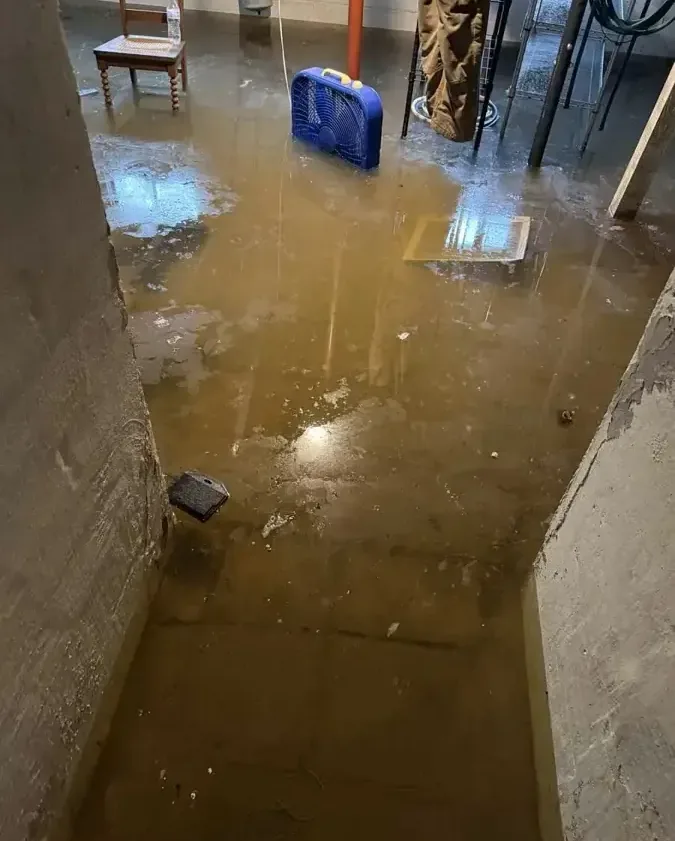
A storm can leave sediment on a hard floor while the water itself disappears into carpet or wall edges. In a Waltham property, that residue is a useful clue to the path of entry. Cleanup needs to account for both the visible deposits and the materials reached beyond them. Before moving contents or running equipment, the assessment should establish electrical safety, structural concerns and whether outdoor water is still entering the building.
How storm and flood cleanup is handled
Assess entry and interior contact
Inspection records the apparent outdoor source and the surfaces reached indoors. Hazards, continuing entry and the condition of deposited debris help establish a safe boundary for the initial removal work.
Remove water and deposited material
Extraction is coordinated with debris handling and contents decisions. The method should suit the water condition and access, while the work route keeps contacted material from spreading into rooms outside the agreed cleanup area.
Clean and expose retained assemblies
Suitable surfaces are cleaned and concealed wet layers evaluated for access. The owner receives an explanation of removals, including where a finish prevents cleaning or drying of the material directly beneath it.
Track recovery and exterior repair needs
Drying measurements document retained interior materials. The closing account also names observed entry features requiring separate repair, helping coordinate the building's recovery with the professional addressing the route by which outdoor water arrived.
Read the entry route before removing the evidence
The city's Clean Stormwater Initiative addresses pollution prevention. Its stormwater information describes runoff moving from roofs, lawns, driveways and roads into pipes, culverts and ditches. It also describes dirt, debris and other pollutants carried into waterbodies. When that kind of outdoor water enters an interior, the cleanup has to consider the condition of contacted surfaces as well as the amount of water present.
The Charles River passes through the city, with walking and bicycle paths along much of the south bank. A particular building still needs an inspection of its actual entry point. A door threshold, lower opening or other observed route gives the recovery team something concrete to assess. Photos taken from safe ground can preserve the pattern before extraction and cleaning change the appearance of the room.
- Record the apparent entry location and where water first collected inside the property.
- Identify muddy deposits beneath furniture and along the lowest edges of finished walls.
- Keep outdoor debris and contacted possessions from being carried through unaffected living areas.
- Tell the assessor whether the water level is falling, stable or continuing to rise.
Water still spreading?
Describe where outdoor water entered and what it touched before cleanup begins. A practical storm recovery scope connects the entry route, contaminated materials and equipment access with the interior drying and repair work still needed.
(888) 629-3140Arrange Waltham storm cleanupProtect access while sorting the affected materials
A wet entrance may also be the normal route through an occupied building. Establishing a safer alternative can be an early priority. The cleanup plan should show how equipment enters, where removed materials travel and which rooms stay separate from the work. For a property around Prospect Street, the owner can describe stairs, doors and storage that affect this arrangement without having to cross the flooded room.
Absorbent finishes and contents need a condition assessment after outdoor water contact. Suitable hard surfaces may be cleaned, while other materials may require removal to reach trapped dirt and moisture. The scope should specify those choices. Simply moving air across a muddy carpet or closing a damp wall can leave the underlying problem unresolved, even when the visible floor looks considerably better.
Keep the work area safe
The response team checks electricity, unstable surfaces and water contamination before opening wet materials. Household members keep children and pets away from affected rooms. A qualified electrician handles wet circuits. The cleanup crew sets containment when dirty water or debris could reach occupied space, then establishes a safe route for equipment and removed material.
Connect cleanup with the next rainfall concern
Interior recovery and correction of an exterior entry problem belong in a coordinated plan. Basement water removal explains lower level access issues, and structural drying addresses the materials retained after cleaning. The appropriate repair contractor should assess the entry feature so another rainfall does not interrupt interior restoration.
Keep observations specific to the property
Main Street and River Street are among the city's retail corridors. At any home or business, useful records name the rooms affected, the observed entry route and the materials removed. They should also identify remaining repairs. That practical account supports recovery planning without relying on a neighborhood label to describe the building's condition.
First decisions for storm and flood cleanup
Wait for a safe entry decision
Keep away from water near electrical equipment, damaged stairs or unstable finishes. A room being reachable does not make it safe to enter; describe the visible conditions and leave hazard assessment to the appropriate professionals.
Capture the incoming water route
Photograph the exterior and interior entry area only from a secure position. Note which opening first showed water and whether flow continued after the rain changed, so the assessment can follow the actual sequence of events.
Keep wet debris contained
Avoid dragging muddy rugs, boxes or furniture into dry rooms. A removal route should be agreed before handling begins, especially where the only normal entrance passes directly through the affected space and shared access must be maintained.
Identify essential access needs
Explain which doors, stairs or business areas must remain usable. That information helps organize equipment placement and temporary separation while the affected materials are inspected, cleaned or removed as part of the interior recovery plan.
What does storm and flood cleanup cost in Waltham, MA?
Storm cleanup costs in Waltham depend on outdoor water contact, debris, finished materials and access. These ranges describe interior recovery at different scales. Exterior repairs and replacement finishes need their own clear descriptions in the estimate.
Limited entry area
$2,500 to $4,500
- Defined water path
- Accessible surface cleaning
- Localized material decisions
Finished lower rooms
$4,500 to $8,000
- Wet absorbent finishes
- Contents removal planning
- Concealed layer access
Extensive interior flooding
$8,000 to $12,000+
- Broad debris contact
- Several affected spaces
- Expanded drying coordination
Category of water, square footage, material class and drying delay shape the scope. water damage cost calculator gives an estimate only.
Storm and flood cleanup across Waltham
Storm cleanup discussions cover Angleside, Roberts and other city neighborhoods. Report the actual entry route and affected level, plus any blocked entrance or shared access that could influence equipment delivery and removal of wet materials.
The same service nearby: storm and flood cleanup in Belmont, Arlington, Cambridge.
Related water damage services in Waltham
Storm and Flood Cleanup questions in Waltham, MA
Why does outdoor water need a different assessment?
Runoff can collect dirt, debris and other pollutants before it reaches a room. That contact affects how finishes and possessions should be handled. The cleanup plan therefore considers what the water carried and which materials it touched, alongside the practical task of removing the standing volume.
Can a property near the river assume the river caused entry?
The source should be traced at the property. Visible entry through a doorway or another opening gives the assessor a useful starting point, while location alone does not identify the route. Record the observed flow and conditions so interior cleanup and any exterior repairs address the actual problem.
Should muddy carpet be dried in place?
Its condition and the type of water contact need assessment before a retention decision. Drying does not remove deposited contamination from backing or underlying layers. The scope should explain whether removal is necessary and how adjacent floors, trim and contents will be handled during that work.
What if water has already drained away?
Deposits and damp materials can remain after the visible pool disappears. Photograph the water marks and affected possessions, then arrange inspection of floor edges, lower walls and concealed layers. Cleanup may still require material access, cleaning and drying even when pumping is no longer the main task.
Does cleanup include correcting the exterior entry point?
That work should be explicitly identified. Interior mitigation addresses water and damaged materials inside the building, while a separate repair may be needed at the entry feature. Coordination matters because continued outdoor entry can interrupt drying and damage replacement finishes before the recovery work is complete.
How can a business prepare for the cleanup visit?
A manager can identify occupied areas, valuable stock, shared entrances and doors that must remain available. Avoid moving contacted goods through clean workspaces. Those access details help organize the removal route and determine whether a dry portion of the premises can be separated from the cleanup zone.
Discuss the muddy water path
Keep wet debris and affected belongings apart from dry occupied rooms during planning.
(888) 629-3140Assess the interior recovery scope