Crawl Space Water Removal in Somerville
Water beneath a floor needs an assessment of the space before anyone enters it. Where a crawl space exists, access, utilities and wet insulation shape the removal and drying plan.
(888) 629-3140Discuss water beneath the living floor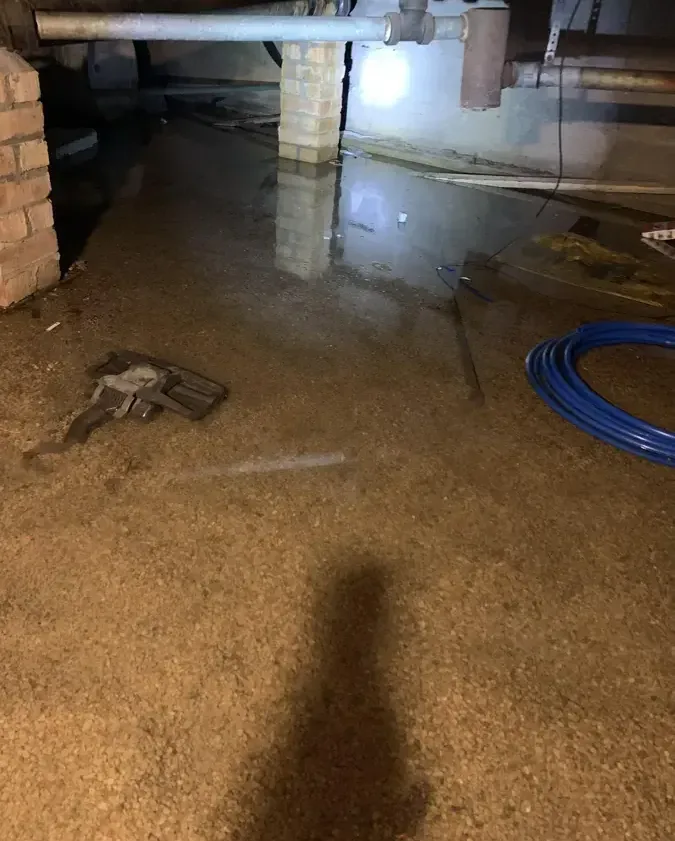
Somerville's frozen-pipe guidance specifically identifies unheated crawl spaces as places where plumbing needs protection during extreme cold. Where an affected property has that type of space, a water release can remain beneath the occupied floor and out of ordinary view. The response begins with an access assessment, including the opening, footing, utilities and available room to work. The occupant should describe the visible conditions from a safe position rather than enter a wet confined area to search for the source.
How crawl space water removal is handled
Assess entry conditions and source
The check considers the opening, interior working space, utilities and visible water route. A safe removal plan is established around those conditions, with appropriate source repair coordinated before the space is expected to remain dry.
Recover water through a planned route
Equipment placement accounts for restricted access and the path out of the building. Standing water is addressed while the surrounding materials are inspected, including insulation or debris that limits access to framing and the underside of flooring.
Treat insulation and retained structure
Unsuitable wet layers are handled according to their condition and contamination. Remaining timber and floor materials receive a drying arrangement that reaches the affected surfaces, with attention to areas concealed during the initial inspection of the space.
Check and record underfloor conditions
Repeat observations document how the retained materials respond after removal and source correction. Photographs and written notes explain the completed work, remaining repairs and any access that should stay available before the space is closed or concealed again.
Establish what is beneath the floor
A crawl space inspection needs to identify the actual construction and water route. Supply plumbing, drainage and exterior entry each call for a different correction. Standing water can obscure footing or contact electrical components, while wet insulation can hide framing surfaces. Removal planning should therefore account for the physical space and the materials above it before pumping is treated as the entire solution.
- Identify the access opening and any known restrictions without entering the wet area.
- Report visible plumbing leaks or water that returns after an earlier removal attempt.
- Keep occupants away from exposed wiring or utilities in contact with underfloor water.
- Inspect insulation that hangs below framing or conceals areas where moisture may remain.
- Plan the route for wet material removal so debris does not pass through clean living space unnecessarily.
- Record any upper floor changes that may connect with moisture in the assembly below.
Water still spreading?
Water below the floor needs a safe access plan and attention to the materials overhead. Describe the opening, visible water and any changes in the room above so the underfloor assessment starts with useful building details.
(888) 629-3140Discuss the wet underfloor spaceRemove water without overlooking the assembly overhead
Clarendon Hill is near Broadway and the Arlington border. East Somerville lies east of McGrath Highway between Washington Street and Broadway. Those area descriptions can help explain a location, while the building inspection determines whether a crawl space is present and how it can be accessed. Removal equipment and material handling need to fit the opening and the usable working space inside.
Wet insulation may need attention before timber and the underside of the floor can be fully assessed. A clear floor above does not reveal the moisture condition below it. Frozen pipe damage cleanup considers related losses when a cold exposed pipe fails. The source repair should be coordinated with removal so another release does not refill the area being treated.
- Assess the underside of flooring where the water exposure reaches supporting materials.
- Distinguish damaged insulation from structural timber that may be retained and dried.
- Keep the access opening usable for repeat inspection during the remaining drying work.
Keep the work area safe
The response team checks electricity, unstable surfaces and water contamination before opening wet materials. Household members keep children and pets away from affected rooms. A qualified electrician handles wet circuits. The cleanup crew sets containment when dirty water or debris could reach occupied space, then establishes a safe route for equipment and removed material.
Verify the space before concealing it again
Prospect Hill is part of the Union Square area. At any property with an affected underfloor void, the drying plan must reach the actual wet surfaces. Structural drying helps explain the need for material readings and useful airflow access. The absence of standing water should be followed by a check of timber, remaining insulation and the floor assembly above.
Document the hidden work
Photographs are especially useful where the owner cannot readily inspect the space. The handover should identify the source correction, removed materials, remaining moisture observations and any repair still required. That record makes underfloor cleanup understandable before access is closed or ordinary storage and room use conceal the work from view.
First decisions for crawl space water removal
Describe the access from outside
Identify the opening and visible water without entering the crawl space. Note any known utility equipment or restricted clearance so the assessment can account for the physical conditions before removal equipment is selected.
Keep utilities and footing in mind
Standing water can obscure obstacles and reach electrical components below the floor. Avoid improvised entry or equipment placement, and arrange appropriate professional attention where utility safety or stable access cannot be established from outside.
Report signs in the room above
Describe changes in flooring, damp trim or other symptoms directly above the affected area. These observations help connect the underfloor inspection with the occupied room rather than treating the water as an isolated puddle below.
Leave access available for inspection
Keep the opening clear of dry stored items when that can be done safely. Repeat access may be needed for source repair, insulation handling and assessment of the timber and floor materials after water removal.
What does crawl space water removal cost in Somerville, MA?
Somerville crawl space cleanup costs depend on entry restrictions, water condition and wet insulation or framing. These planning ranges reflect removal and drying complexity; plumbing correction and replacement materials should be described separately from the underfloor cleanup work.
Accessible shallow water
$1,500 to $2,800
- Usable entry opening
- Limited water recovery
- Basic timber assessment
Insulation and timber loss
$2,800 to $4,800
- Wet insulation handling
- Exposed framing treatment
- Broader drying access
Restricted or contaminated void
$4,800 to $7,000+
- Difficult working conditions
- Controlled debris removal
- Complex material treatment
Category of water, square footage, material class and drying delay shape the scope. water damage cost calculator gives an estimate only.
Crawl space water removal across Somerville
Underfloor assessments apply where the individual building has a crawl space affected by water. The actual opening, utilities and floor assembly determine access and cleanup arrangements across residential and commercial properties within the city.
The same service nearby: crawl space water removal in Belmont, Cambridge, Arlington.
Related water damage services in Somerville
Crawl Space Water Removal questions in Somerville, MA
Does every property here have a crawl space?
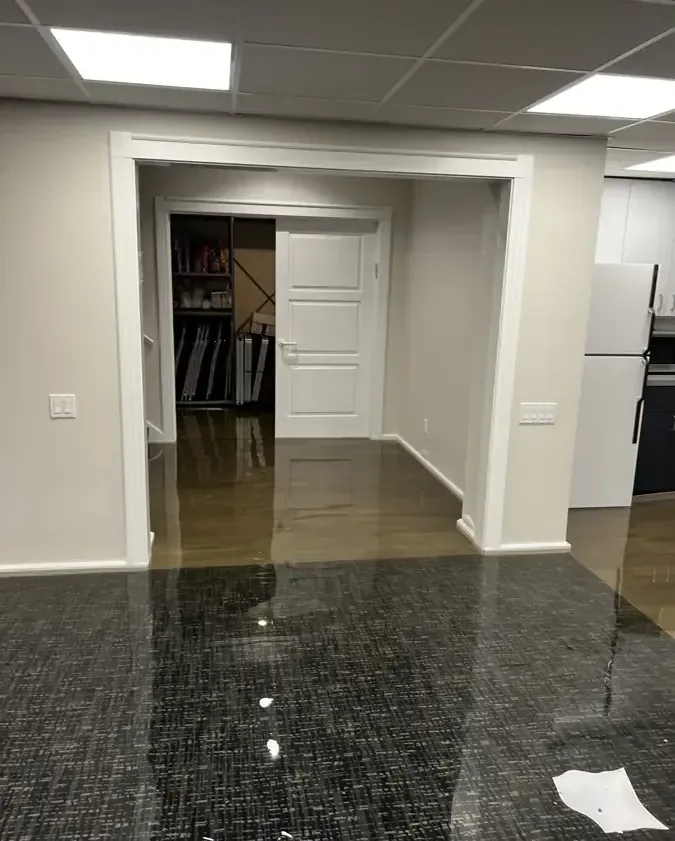
The assessment needs to establish the actual foundation and underfloor construction at the affected building. Service planning follows what is present, including the access opening and available working space. If the water is instead in a finished lower room or another assembly, the cleanup scope should address those conditions directly.
Should an occupant enter to locate the water source?
A wet underfloor area can conceal unsafe footing, exposed utilities and restricted working conditions. The source investigation should be arranged around safe access rather than an improvised crawl through standing water. Useful initial information includes the opening location, visible water and any symptoms noticed in the occupied room above.
Why inspect insulation after the water is removed?
Insulation can remain saturated or obstruct access to timber and the underside of the floor. Its condition affects whether it can stay and how the remaining assembly can be dried. The inspection should identify unsuitable material and explain any removal needed to reach structural surfaces that still require attention.
Can pipes freeze beneath the floor?
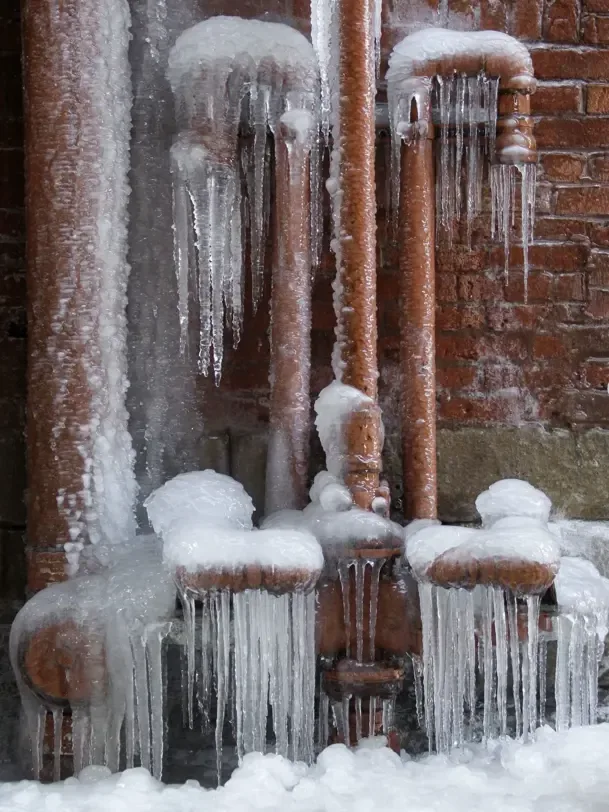
The city's cold weather guidance identifies unheated crawl spaces as areas where pipes need protection. After a leak, the plumbing professional addresses the failed component and the cleanup assessment follows the escaped water. The actual pipe location, insulation and affected floor materials determine the restoration work needed at the property.
Is pumping the standing water enough?
Pumping addresses accessible water, while wet timber, insulation and floor layers can retain moisture afterward. The space needs a follow-up assessment of materials left in place and any ongoing entry. Drying access and repeated observations help establish what remains before the underfloor area is closed or concealed again.
How can hidden cleanup work be explained to the owner?
Photographs of the source area, exposed structure and removed materials make the scope easier to understand. Combine those images with moisture observations and a list of outstanding repairs. This gives the owner a practical account of work in a space that may be difficult to view safely without entering it.
Check crawl space access
Keep the opening clear from outside and leave wet utilities or unstable footing for professional assessment.
(888) 629-3140Plan underfloor removal and drying