Crawl Space Water Removal in Cambridge
Where a building has an underfloor space, standing water can be difficult to reach safely. The assessment must establish access, source conditions and the state of materials supporting the rooms above.
(888) 629-3140Discuss water under the floor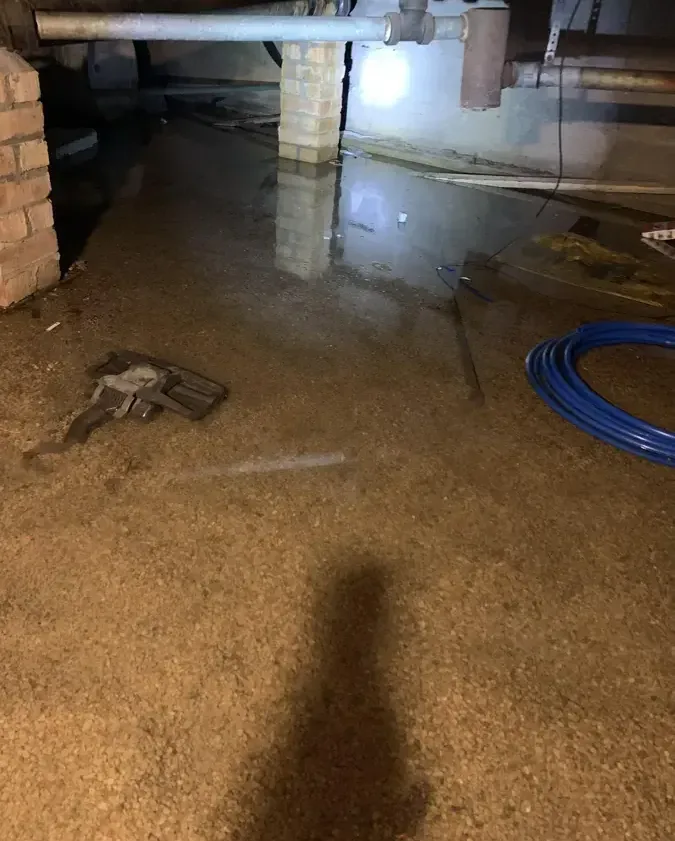
Water beneath an occupied floor presents a different access problem from water in an open room. A narrow entrance, low clearance and concealed utilities can limit inspection before any removal begins. For a Cambridge property in Alewife, The Port or near Fresh Pond, the first question is what underfloor space actually exists and how it can be reached. The work plan should follow that inspected configuration and the source feeding the water.
How crawl space water removal is handled
Establish access and work boundaries
The initial survey identifies opening dimensions, safe approach conditions and known utilities. It also plans equipment and material routes so the confined work area connects to the exterior without spreading dirty water unnecessarily.
Recover pooling from reachable areas
Water removal follows the inspected layout and source condition. The work record distinguishes cleared sections from inaccessible pockets, helping determine whether additional access is needed before the void can receive a complete material assessment.
Evaluate the exposed underfloor assembly
Timber, insulation and floor undersides are inspected after pooling recedes. Unsuitable wet layers and obstructing debris are addressed so retained materials can receive drying appropriate to their condition and the space available.
Monitor and coordinate corrective work
Drying progress is recorded at accessible material points, with unresolved entry or plumbing repairs carried into the handoff. Replacement insulation and closure should follow the assessment of the assembly that will be covered.
Assess the opening before entering the void
An owner should not crawl into standing water to investigate an unfamiliar space. Electrical components, unstable surfaces and contamination may be difficult to see from the entrance. Provide any existing information about access panels and plumbing routes, then let the assessment establish the working conditions. Equipment hoses and removed materials also need a route that does not carry wet debris through occupied rooms unnecessarily.
- Describe the visible water from the entrance without entering an unsafe or restricted area.
- Identify known access panels and objects blocking them so an inspection route can be planned.
- Report whether water appears after rain or while a plumbing fixture is operating.
- Keep the floor above accessible where inspection may require checking its underside or nearby partitions.
- Note damaged or hanging insulation visible from a safe position, since it may conceal timber surfaces that need assessment after water recovery.
City drainage includes stormwater routes toward the Charles River and Alewife Brook. The property inspection still needs to establish whether this particular void contains outdoor entry, a plumbing release or another source.
Water still spreading?
Water beneath a floor needs a safe route in and a clear account of what lies beyond the opening. Describe the access, visible pooling and suspected source so the assessment can organize removal without overlooking wet insulation or timber.
(888) 629-3140Assess the underfloor waterRecover the water without leaving hidden wet layers
Removal equipment must suit the depth, access and water condition. Once pooling is cleared, the exposed underfloor materials become easier to inspect. Insulation can retain moisture against timber, and barriers or stored debris may obscure parts of the surface. The assessment should identify what can remain and what obstructs cleaning or drying, with decisions tied to the condition actually found.
Structural drying addresses retained framing and the underside of the floor. If the source involves a backed-up drain, sewage cleanup adds contamination control to the underfloor work. The scope should keep those different tasks clear instead of treating pumping as the complete restoration.
- Inspect supports and floor undersides wherever access permits after open water is removed.
- Document areas that remain unreachable so further access decisions are explicit.
- Coordinate damaged insulation removal with the drying needs of the timber behind it.
Keep the work area safe
The response team checks electricity, unstable surfaces and water contamination before opening wet materials. Household members keep children and pets away from affected rooms. A qualified electrician handles wet circuits. The cleanup crew sets containment when dirty water or debris could reach occupied space, then establishes a safe route for equipment and removed material.
Make recurrence part of the repair discussion
Removing water without resolving its route can leave the void vulnerable to renewed pooling. Plumbing repair, drainage work or building entry repairs may fall outside the removal scope, but they should remain visible in the handoff. Drying measurements and a record of retained materials help establish when the underfloor assembly is ready for insulation replacement or other finishing tasks.
Explain the inaccessible areas
Restricted access deserves a practical next step. The owner should know which parts were inspected, what remains concealed and why additional access may be needed. That record supports the next trade's work and prevents a dry entrance area from standing in for an assessment of the entire space beneath the floor.
First decisions for crawl space water removal
Keep the entry unobstructed
Clear dry belongings away from a known access opening without entering standing water. Information about the opening and surrounding room helps plan equipment movement and protect occupied areas during the underfloor assessment.
Describe the water's timing
Report whether pooling appeared after rainfall, plumbing use or an appliance fault. Observations help direct source investigation, while the assessment determines the actual water condition and the route through the underfloor space.
Report visible utility concerns
Mention wiring, equipment or damaged supports seen from a safe location. Restricted areas need a considered access plan before anyone enters or positions water removal equipment beneath the occupied floor above.
Prepare for connected room checks
The room above may need inspection at floor edges or wall junctions. Keep those areas accessible so the assessment can connect underfloor saturation with any visible changes inside the occupied building.
What does crawl space water removal cost in Cambridge, MA?
Cambridge underfloor water removal ranges depend on clearance, contamination and the materials affected beneath the floor. Restricted movement can increase handling work. The inspection should identify access needs and separate source correction from recovery, cleaning and drying tasks.
Accessible shallow water
$1,500 to $2,800
- Reachable pooling removal
- Entry route planning
- Basic material assessment
Insulation and timber loss
$2,800 to $4,800
- Wet insulation decisions
- Exposed framing checks
- Targeted underfloor drying
Restricted or contaminated void
$4,800 to $7,000+
- Difficult equipment movement
- Controlled debris handling
- Additional access coordination
Category of water, square footage, material class and drying delay shape the scope. water damage cost calculator gives an estimate only.
Crawl space water removal across Cambridge
Underfloor water assessments are available for Cambridge properties around Alewife, The Port and Fresh Pond where an accessible void exists. Describe the entrance and observed water so the initial plan reflects the actual space.
The same service nearby: crawl space water removal in Belmont, Somerville, Arlington.
Crawl Space Water Removal questions in Cambridge, MA
Should an owner enter to check the water depth?
Standing water in a restricted space can conceal electrical concerns, unstable surfaces and contamination. Avoid entering an unfamiliar wet void. A description or photograph from a safe entrance position can help the assessment team plan access without requiring the owner to investigate underneath the building.
Does pumping resolve wet insulation underneath the floor?
Pumping removes accessible liquid, while insulation may continue to hold moisture against structural material. Its condition and ability to dry need separate evaluation. Some layers may require removal so the timber and floor underside can be inspected, cleaned where needed and dried before new insulation is installed.
What if part of the space cannot be reached?
The assessment should record that limitation and explain what additional access would be necessary. An inaccessible section may affect the removal or drying plan. The handoff needs to identify those areas clearly so later repairs do not assume that the entire underfloor assembly has been inspected.
Can underfloor water affect the occupied room above?
Moisture can reach the underside of floor materials and surrounding wall junctions. Inspection of the room above helps connect those conditions with visible changes such as altered flooring or damp trim. The actual assembly and measured moisture determine whether upstairs materials need attention alongside the void.
Who handles the cause of recurring pooling?
The responsible trade depends on the source found, such as a plumbing defect or exterior water route. Removal and drying are separate from that corrective work unless included explicitly. The scope should identify the unresolved source so the owner can coordinate repairs before the space is closed again.
When should replacement insulation be fitted?
Replacement should follow assessment of the retained framing and floor underside, with source control addressed. Installing insulation too early can obstruct drying or hide an area that still needs inspection. The closing record should make the material condition and any remaining access needs clear to the installer.
Discuss restricted space access
A defined inspection boundary helps identify what can be reached and which materials need attention after pooling is cleared.
(888) 629-3140Assess crawl space conditions