Slab Leak Water Damage in Winchester
A damp patch spreading through flooring needs an explanation before the slab is opened. Locate the plumbing problem, compare surrounding moisture and separate the repair access from the drying scope.
(888) 629-3140Discuss the damp slab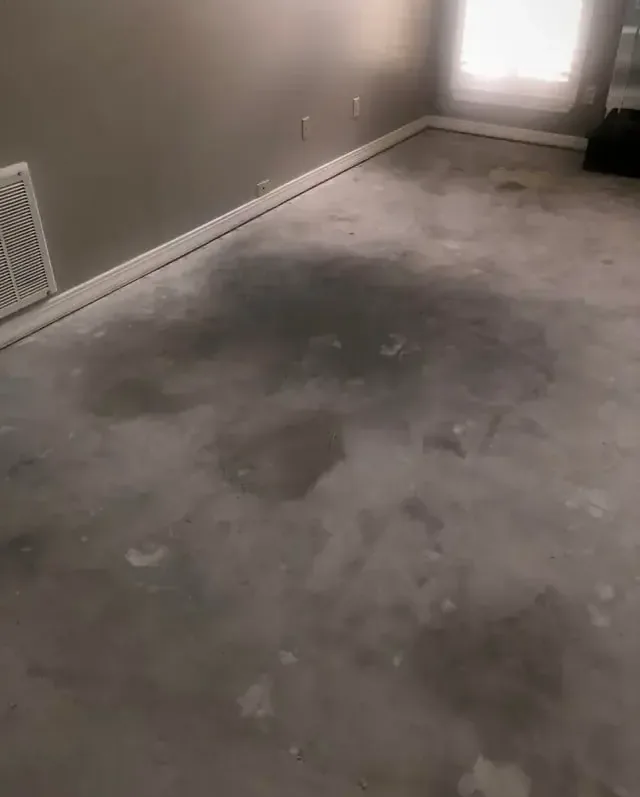
A wet area over concrete can spread well beyond the point where water reaches the surface. A damaged pipe below the slab may feed moisture into flooring adhesive, underlayment or the base of nearby walls. The restoration scope begins with the reported plumbing problem and the affected assembly. Source location and pipe repair belong alongside the cleanup plan, because drying equipment cannot compensate for a supply release that remains active beneath the floor.
How slab leak water damage is handled
Compare moisture patterns
Inspect the slab surface, coverings and nearby wall bases. Relate the measurements to the suspected source and record any separate foundation seepage that could continue after the pipe repair.
Coordinate limited access
Use the source findings to plan necessary openings. Document finishes before removal and protect adjoining spaces while the repair area and the moisture-affected layers become accessible for inspection.
Dry the retained assembly
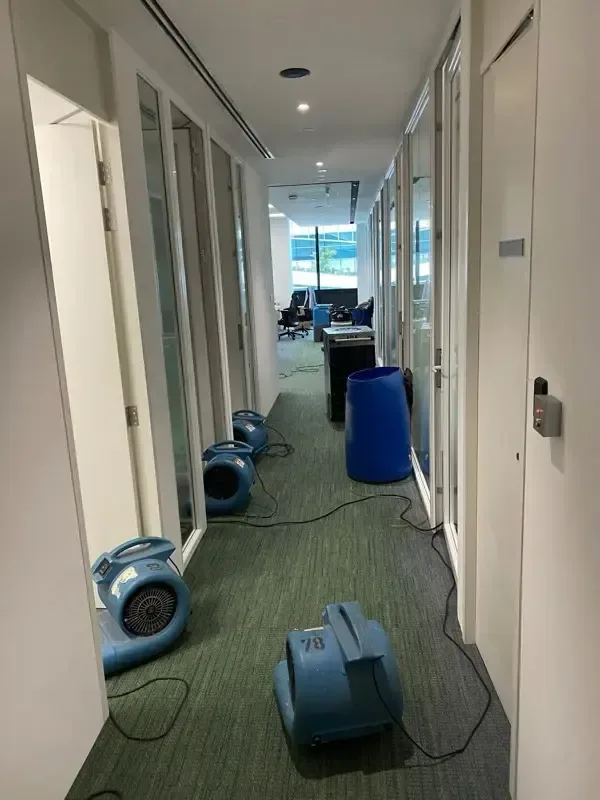
Establish a drying arrangement for concrete and other retained materials. Check whether floor coverings or fixed fixtures restrict evaporation, then adjust access when deeper moisture is not declining as expected.
Prepare a finish handoff
Record remaining substrate conditions and repairs before new coverings are installed. The handoff should identify plumbing completion, restored access openings and any flooring requirements that still need attention from the installer.
Distinguish a pipe leak from foundation entry
In Winchester, groundwater above basement floor level can force water through small cracks in concrete or foundations. The town also identifies the Aberjona River and Horn Pond Brook as major surface-water flooding sources. These are separate routes into a building. A damp slab near Wedge Pond deserves the same careful source investigation as a wet floor elsewhere: record the pattern, compare plumbing findings and observe whether moisture changes after the supply is isolated.
The account should explain what was tested and where repair access is proposed. Opening a broad area solely because the surface feels damp can leave unnecessary finish damage while missing the actual pipe location. Coordinate the repair professional's findings with the restoration inspection before deciding which coverings need to come up.
Water still spreading?
A damp slab needs a source decision and a material plan before new flooring covers the area. Describe the patch, any plumbing findings and the finishes around it to arrange the next assessment.
(888) 629-3140Review a concealed floor leakMap the layers that received water
- Check the transition between the wet patch and apparently unaffected flooring in adjoining spaces.
- Inspect wall bases where the floor assembly meets partitions or enclosed cabinet ends.
- Record loose adhesive, lifted edges or discoloration before materials are disturbed for pipe access.
- Identify the floor layers that must be removed to reach the repair or trapped moisture.
- Keep plumbing repair debris separate from finishes removed because of water damage.
Different layers can dry at different rates. An exposed slab may release moisture while a covering elsewhere restricts evaporation. A wall plate or cabinet base can stay damp even after the central patch looks lighter. Readings should follow these separate materials, with an unaffected comparison area used where appropriate to the assessment.
Access around Waterfield Road or the Manchester Road corridor can be described when arranging the visit, but the building layout determines the work. Include whether the affected floor is furnished, divided by fixed cabinets or connected to occupied rooms. That information helps coordinate material removal, dust control and equipment movement around the plumbing repair.
Keep the work area safe
The response team checks electricity, unstable surfaces and water contamination before opening wet materials. Household members keep children and pets away from affected rooms. A qualified electrician handles wet circuits. The cleanup crew sets containment when dirty water or debris could reach occupied space, then establishes a safe route for equipment and removed material.
Restore the floor in the right order
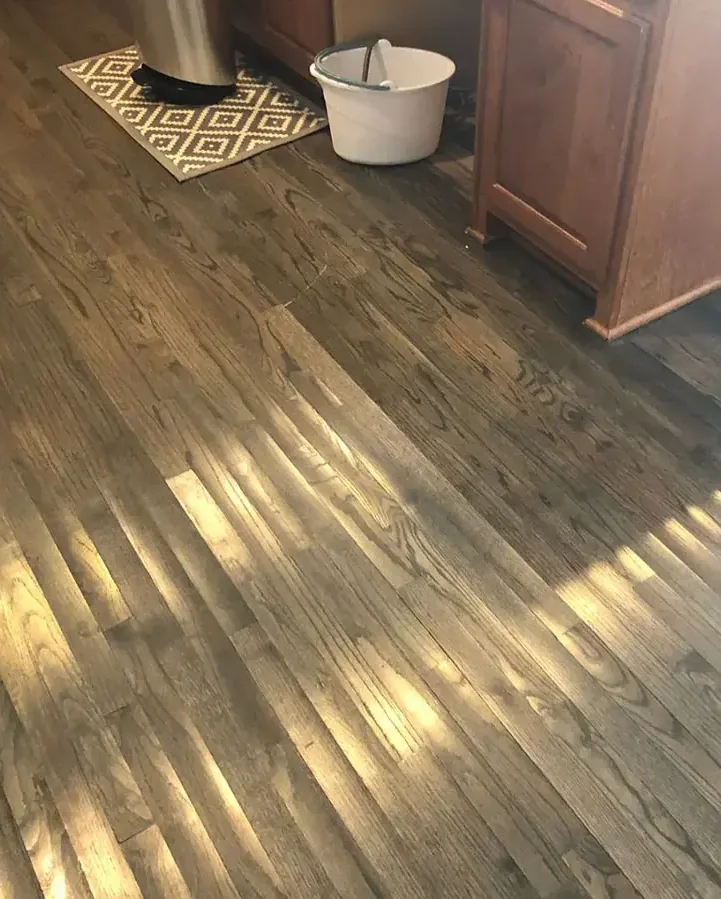
Once the leaking pipe is repaired, clean the accessible work area and reassess the remaining moisture. A successful plumbing repair ends the release; it does not instantly restore the surrounding floor assembly. Retained materials may need continued structural drying, and wet timber finishes may require a separate wood floor assessment.
Before replacement flooring is scheduled, establish the substrate requirements for the chosen finish and document the condition of retained layers. Repair openings, wet adhesive residues and water-damaged underlayment should be addressed in the written scope. The final handoff should distinguish completed pipe work from concrete restoration, drying and finish installation so each part can be reviewed clearly.
First decisions for slab leak water damage
Record the changing patch
Photograph the boundary and any lifted flooring without pulling material apart. Note whether the damp area grows while fixtures are unused or changes after a safely accessible supply valve is closed.
Request source location
Arrange investigation of the suspected plumbing release before concrete demolition. Share any repair findings with the restoration provider so the planned opening and the moisture assessment address the same affected area.
Keep finishes accessible
Move small dry objects from the edge of the damp zone when safe. Avoid covering the patch with rugs or storage that would hide changing conditions or restrict inspection of the floor.
Separate the work scopes
Ask which openings serve the plumbing repair and which materials need removal because they are wet or damaged. A clear distinction helps the owner understand costs and coordinate the later floor restoration.
What does slab leak water damage cost in Winchester, MA?
Slab leak cleanup in Winchester depends on repair access and how far moisture has entered surrounding floor layers. These planning amounts describe water-damage work; pipe location, plumbing repair and replacement finishes should be clarified in the written estimate.
Limited floor opening
$1,500 to $3,000
- Focused moisture inspection
- Small affected assembly
- Accessible drying surfaces
Connected floor areas
$3,000 to $5,000
- Adjoining wet coverings
- Several material layers
- Expanded monitoring points
Dense or concealed loss
$5,000 to $7,500+
- Restricted moisture access
- Complex retained assemblies
- Broader finish coordination
Category of water, square footage, material class and drying delay shape the scope. water damage cost calculator gives an estimate only.
Slab leak water damage across Winchester
Properties around Shore Road, Cross Street and the Wedgemere Station area can describe their floor layout when requesting help. Include the affected level and any plumbing investigation already completed for the suspected release.
The same service nearby: slab leak water damage in Belmont, Arlington, Somerville.
Related water damage services in Winchester
Slab Leak Water Damage questions in Winchester, MA
Does a damp concrete floor always mean a slab leak?
Groundwater can enter through floor cracks, while a plumbing leak can release water beneath the slab. The moisture pattern and source investigation need to be considered together. The restoration plan should follow the findings rather than treating a damp patch alone as a reason to break concrete.
Who handles locating the leaking pipe?
A qualified plumbing professional should evaluate and locate the suspected release. Restoration work addresses the resulting wet materials and helps document their extent. Sharing the source findings allows the repair opening, material access and drying plan to be coordinated instead of being developed independently around different assumptions.
Why inspect walls when the leak is under the floor?
Water can reach the base of partitions or enclosed cabinets as it moves through floor layers. Those materials may remain damp after the obvious slab patch changes appearance. Checking adjacent wall bases helps define the actual restoration boundary and avoids leaving concealed moisture beneath newly repaired finishes.
Can the floor covering stay during drying?
That depends on its condition, the underlying materials and whether it restricts moisture removal. Some coverings need to be lifted for plumbing access or because adhesive and underlayment are affected. The scope should explain the reason for each removal and the surfaces that can remain in place.
When is replacement flooring appropriate?
Replacement should follow source repair and a substrate assessment suitable for the intended finish. Concrete appearance alone is not enough to decide readiness. The installer and restoration provider should coordinate around retained moisture, repaired openings and any damaged layers that need attention before the final covering is installed.
What belongs in the estimate for a concealed leak?
The estimate should identify investigation findings, affected rooms, material removal, drying and monitoring. Plumbing work and finish replacement should be clearly included or excluded. If opening the assembly reveals more damage, an updated explanation should connect the additional work to the newly visible moisture or material condition.
Arrange a slab moisture assessment
Clarify repair openings, retained materials and the drying work required before the finished floor can be restored.
(888) 629-3140Discuss underfloor damage and access