Roof Leak Water Damage in Winchester
A ceiling stain may sit far from the roof opening that caused it. Trace the overhead route, coordinate the exterior repair and assess the insulation and finishes along the way.
(888) 629-3140Discuss water beneath the roof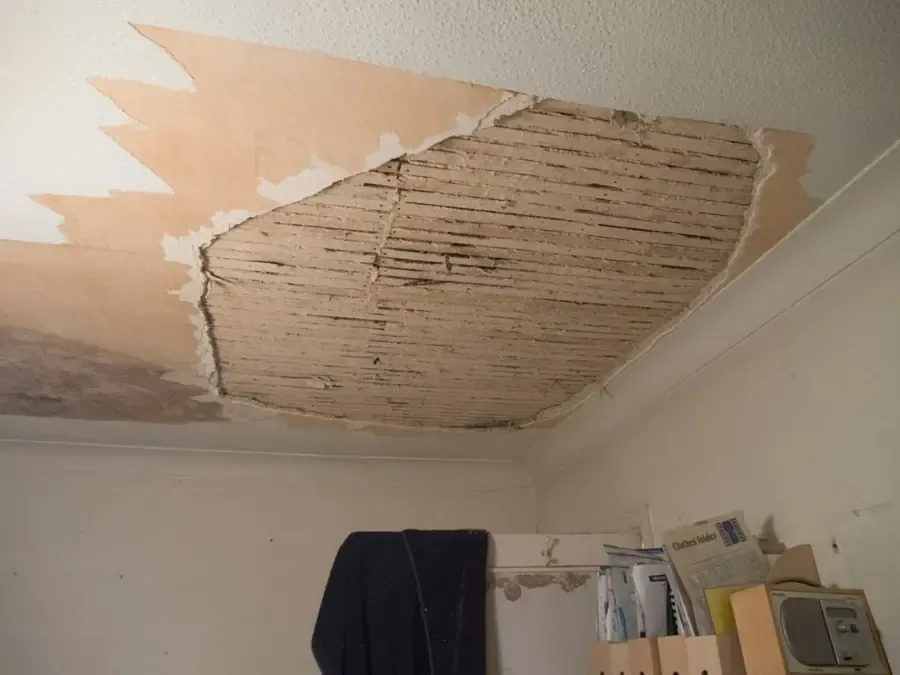
A drip from the ceiling describes where water emerged, not necessarily where it entered the roof. Water can travel along framing or the back of a finish before appearing in the room below. An inspection should connect the reported roof problem with the indoor damage. Keep the area beneath softened or bowed material clear, and arrange qualified roof evaluation alongside the assessment of wet building layers inside.
How roof leak water damage is handled
Inspect the overhead route
Compare the reported roof entry with accessible attic and ceiling conditions. Identify wet insulation, affected framing and the surfaces below the drip so the scope follows water rather than the stain alone.
Create suitable drying access
Remove damaged finishes or insulation where the assessment calls for it. Protect the room beneath the opening and document the layers exposed before equipment placement changes the view of the affected assembly.
Track retained material moisture
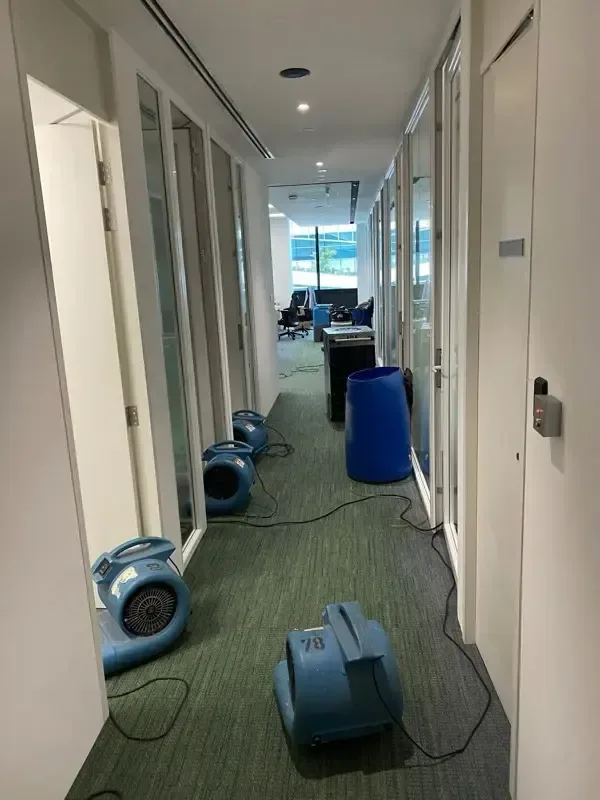
Check the framing and other retained surfaces at marked locations. Adjust equipment or access when moisture remains trapped, while confirming that exterior repair work has addressed the route feeding the overhead space.
Coordinate ceiling reconstruction
Check the drying record, remaining openings and roof repair status before finish work begins. Keep any unresolved source concern visible in the handoff so painting and closure follow the actual condition of the cavity.
Connect exterior repair with the overhead moisture path
For a Winchester home near Winter Pond, Upper Mystic Lake or the Middlesex Fells Reservation, the useful starting point is the observed leak: when dripping began, whether it changed during rain and which surface first became wet. These location references help describe the property area. The roof condition, accessible attic and interior measurements establish the actual scope of restoration.
Inspection may reveal wet insulation beyond the visible stain. A darkened ceiling patch can be smaller than the damp area on its concealed face, and material surrounding an attic penetration may need separate attention. Document accessible findings and coordinate them with the roof professional so the exterior repair and interior opening address the same water route.
- Record ceiling stains and active drips before moving furnishings or opening wet material.
- Keep access away from wet fixtures and overhead sections that appear loose or swollen.
- Check accessible insulation and framing along the route between roof entry and ceiling damage.
- Explain why each ceiling opening or insulation removal is needed before extending the work.
Water still spreading?
A roof drip can leave wet layers above an otherwise quiet room. Describe the ceiling changes and any roof findings so the interior assessment can follow the path through insulation, framing and finishes.
(888) 629-3140Check damage below the roofSeparate roof water from another wet area
Winchester also identifies groundwater as a cause of basement flooding anywhere in town. If a lower room becomes wet during the same weather, record its entry pattern separately. Moisture pushing through a foundation crack needs a different source response from water descending through an attic. A complete inspection can describe both problems without combining them into an unsupported single cause.
Where water dripped onto a floor or furnishing, follow that contact into the room. A dry ceiling face after the roof is repaired does not settle the condition of a soaked rug, cabinet top or floor seam. Include those secondary surfaces in the scope, especially when overhead water collected out of sight before it escaped.
Keep the work area safe
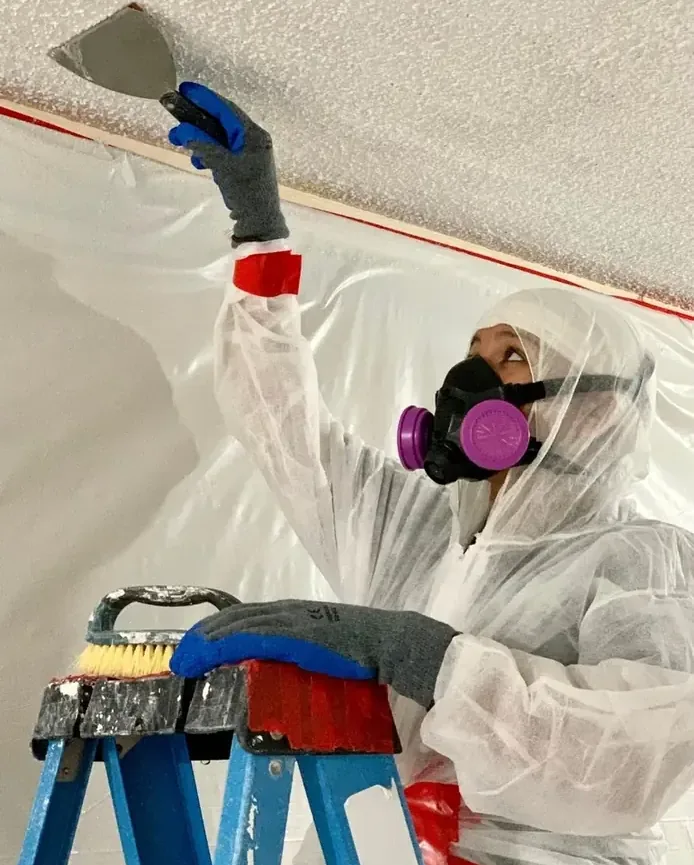
The response team checks electricity, unstable surfaces and water contamination before opening wet materials. Household members keep children and pets away from affected rooms. A qualified electrician handles wet circuits. The cleanup crew sets containment when dirty water or debris could reach occupied space, then establishes a safe route for equipment and removed material.
Repair the ceiling after the cavity is assessed
Roof repair controls the incoming water. Interior work then addresses damaged finishes, wet insulation and retained framing. Equipment needs access to the surfaces being dried, and measurements should track the areas that were most affected. The ceiling damage service explains the overhead access concerns when material has softened or separated.
Before repainting or replacing a ceiling section, check the retained assembly with the restoration provider. Structural drying may continue after dripping ends, particularly where insulation restricted evaporation. The final work record should distinguish roof repairs, removed materials, drying observations and unfinished reconstruction so the repair contractor knows exactly what remains to be closed and refinished.
First decisions for roof leak water damage
Keep the space below clear
Move people and pets away from sagging ceiling material and wet light fittings. Do not enter an attic or climb onto a wet roof to investigate a leak during unsafe weather or access conditions.
Describe when dripping changes
Note whether water appears during rainfall, continues afterward or returns at a particular ceiling edge. Photograph the visible pattern from a safe position so the roof and interior assessments can be connected.
Protect adjacent dry contents
Relocate safely reachable belongings from nearby dry areas. Avoid standing beneath a softened ceiling to retrieve items, and leave heavy or already saturated furnishings for a controlled contents handling plan.
Coordinate both repair areas
Arrange qualified attention to the roof opening and the wet interior layers. Share findings between the repair providers so the ceiling is not closed while the source or concealed moisture still needs work.
What does roof leak water damage cost in Winchester, MA?
Roof leak restoration in Winchester depends on the ceiling area, wet insulation and concealed path through framing. These planning ranges cover interior water damage; roof work and replacement finishes need clear inclusion or exclusion in the property estimate.
Small ceiling area
$1,200 to $2,500
- Localized finish damage
- Accessible overhead cavity
- Limited retained materials
Attic and ceiling loss
$2,500 to $4,000
- Wet insulation assessment
- Connected overhead surfaces
- Broader drying access
Several wet cavities
$4,000 to $6,000+
- Multiple affected sections
- Expanded material removal
- Coordinated interior repairs
Category of water, square footage, material class and drying delay shape the scope. water damage cost calculator gives an estimate only.
Roof leak water damage across Winchester
Requests around Shore Road, the Center Falls Dam area and elsewhere in town can include the affected ceiling location. Mention attic access and any completed roof investigation when describing the interior damage.
The same service nearby: roof leak water damage in Belmont, Arlington, Somerville.
Roof Leak Water Damage questions in Winchester, MA
Why is the ceiling stain away from the roof leak?
Water can follow framing, insulation or the concealed face of a ceiling before it reaches an opening. The visible stain marks where moisture affected the finish, but the inspection should trace the route above it. That helps connect the exterior source repair with the interior material decisions.
Can the ceiling simply be painted after the roof repair?
Painting addresses the visible finish rather than moisture in the cavity. Wet insulation, damaged backing or damp framing may still need attention after the drip stops. Check the assembly and the drying assessment first, then coordinate any replacement and finish work around the materials that remain.
Should wet attic insulation be left in place?
Its saturation, condition and effect on surrounding materials need evaluation. Insulation can hold water against framing or limit access for drying, so the scope may include removal. The decision should be explained with the affected locations and the condition of the retained surfaces that will be dried.
What if the ceiling begins to bow?
Clear the area underneath and avoid disturbing the overhead material. A swollen ceiling may contain collected water or weakened finishes. Assessment and controlled opening should consider stability, electrical exposure and protection of the room below, rather than relying on an occupant to release the water.
Does a wet basement belong to the same roof claim?
The source and route of each affected area need to be documented separately. Groundwater can enter a basement through foundation cracks while a roof leak affects upper surfaces. The insurer evaluates policy coverage; restoration records should clearly explain the observed damage and source findings for each area.
What information is useful at the repair handoff?
Keep roof findings, photographs of opened cavities, removed insulation details and retained material readings together. Identify remaining ceiling openings and the finishes needing replacement. This allows the reconstruction contractor to understand which source and drying tasks are complete and what still requires attention before closure.
Arrange an overhead moisture assessment
Keep the space beneath softened material clear while the source repair and interior access are coordinated.
(888) 629-3140Discuss the stained ceiling area